

On a January morning in 2012, Ron Johnson stood on a pier on the Hudson in front of 700 analysts and reporters and told them that people are disgusted with the lack of integrity on pricing. Then he did the thing no large American retailer had ever dared to do. He pulled every coupon, every Columbus Day sale and every spend-this-get-that promotion out of JC Penney in a single stroke, and gave every item one honest price instead.
Mentally, he was prepared for sales to fall around 15%.
By the close of that fiscal year, their store sales were down 25.2%, the company had posted a net loss of $985 million. By that August, Johnson was telling an interviewer, “I thought people were just tired of coupons.” The sales and the coupons were back before he finished reporting the damage.
The usual lesson drawn from J.C. Penney’s collapse is that shoppers want cheap options. But Johnson had underestimated how much the hunt for a bargain had become part of the shopping experience. For customers accustomed to chasing deals, getting a discount was a reward in its own right. Remove it, and the offer feels different, even when the price is perfectly reasonable. Isn’t that sufficient evidence why logical AI models can’t solve ecommerce?

Online, the coupon game has evolved. Many shoppers have figured out that abandoning a cart can be the quickest route to a better offer. One buyer admitted outright: “I'm a consumer - I'll abandon and wait for a 10% off email.” For merchants, the recovery email may look like a successful sale. For the shopper, it may simply be the discount they were waiting for.
But there's another side to cart abandonment. In a separate discussion, one buyer recalled having to “create a whole account just to look at shipping rates.” This makes it abundantly clear that a shopper waiting for a coupon and one struggling to find the delivery cost have very different reasons for leaving, yet both could receive the same discount email.
So how do you improve conversion rates without discounting products by default, and what can you offer to bring shoppers back once they’ve left checkout?
Let’s figure it out.
A month ago, while doomscrolling Reddit, I stumbled on a post from a merchant having a real epiphany about cart recovery:
“Every abandoned cart gets the same discount right now, doesn't matter if it's a $40 cart or a $400 one. Lately it's been bugging me that I'm handing the same percentage off to everyone, especially the small carts where they probably don't need the motivation.”
You see, that is where the familiar abandonment metric starts losing its usefulness. It counts the exits but tells you little about the shopper’s intentions.
Baymard Institute's latest US shopper survey found that 42% of respondents had abandoned a cart within the previous three months because they were simply browsing or weren’t ready to buy. That highlights an important difference between someone saving a product for later and someone who has hit a genuine obstacle while trying to purchase and therefore abandoned the cart.
Shopify’s abandoned-checkout timeline records payment events, so a failed card transaction or a billing-address mismatch can look very different from someone who reaches checkout and quietly disappears. The abandoned-checkout reports also let you examine completed orders, conversion rates, and average order value associated with recovery emails.
And those are exactly the things you should be looking at to improve your abandoned cart flows and tailor the right offers to the right buyers.
Start by looking at where shoppers drop off, then compare patterns across cart values, products, devices, and new versus returning customers where your data supports it. You’re looking for segments that behave differently, rather than assuming every abandoned checkout deserves the same intervention.
Once you know which shoppers are worth pursuing, you can make an informed call on how much you should spend on which segment to bring them back.
In November 2024, Williams-Sonoma CEO Laura Alber warned that retailers offering frequent discounts were teaching customers to “wait for that promotion,” adding that this meant they were “really competing with yourself.”
You can see the logic. When shoppers know another sale is probably around the corner, buying at full price starts to feel like paying more than they need to. The retailer gets its short-term sales bump, but the next purchase becomes harder to win without another offer.
Williams-Sonoma has since been trying to protect the value of its full-price sales. In the second quarter of fiscal 2025, its gross margin rose 47.1%. The company attributed most of that improvement to higher merchandise margins, driven by selective price increases and stronger full-price selling. Revenue also grew 2.7% year over year.
This case is diametrically opposed to JC Penny's and demonstrates how unpredictable your customer is. The lesson isn't that discounting is inherently bad, but that removing it requires either strong brand leverage or alternative forms of customer value.
French footwear brand VEJA, for example, bypasses the Black Friday discount frenzy entirely. Through its “Repair Friday” initiative, VEJA offers free sneaker repairs, reinforcing brand loyalty and encouraging customers to care for what they own rather than wait for a mark-down.
This same principle applies directly to daily e-commerce tactics, especially abandoned cart recovery flows. Defaulting to automatic discount triggers risks teaching high-intent buyers to abandon their carts simply to unlock a lower price.
Ultimately, the goal is to identify incentives that truly justify their cost, rather than assuming bigger discounts consistently drive healthier bottom-line results.
Once you know what you can afford to spend, you have a clearer reason to consider high-value alternatives that preserve the merchandise price.
And sure, “add value” sounds easy until you start paying for it. Free shipping eats into fulfillment margins. A complimentary gift adds to the product cost and a bundle can lift average order value while giving shoppers another set of options to compare.
The right way to “add value” is to improve the deal from the customer's point of view without creating a worse deal for your own business.
Imagine landing on a product page with four bundle options. The first includes the product alone, the second adds an accessory, the third offers two products at a discount, and the fourth throws in enough extras to furnish a small shop. Now your customer is comparing what's included, calculating the savings and deciding whether those extras are worth paying for. Somewhere along the way, buying the original product has become a homework assignment.
That's analysis paralysis - when weighing the options becomes so effortful that making a decision gets harder. A Shopify merchant ran into this problem with four bundle configurations on a product page. Their solution was simple, “Cutting it down to two made the choice much easier.”
The takeaway for your store is to make the value easy to assess. If one bundle offers the best value, show shoppers exactly how much they save. If customers have different needs, let them choose the components rather than forcing everyone into the same package. Make the buying decision easier, so the extra value gives shoppers a reason to purchase rather than another reason to postpone it
A McKinsey survey of more than 1,000 US consumers found that 90% of them were willing to wait two or three days for a delivery, particularly to avoid shipping costs. The same proportion said high shipping costs could prompt them to abandon a purchase.
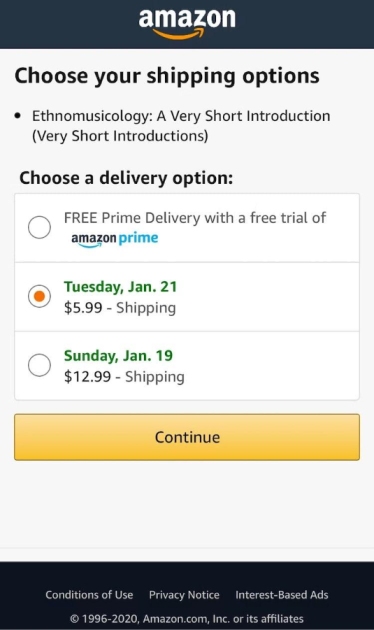
That creates an opportunity beyond absorbing everyone’s shipping bill. Give customers a clear choice between a slower, lower-cost delivery option and paid expedited shipping. You preserve choice while letting the customer decide which trade-off matters more.
The same reasoning applies to products with meaningful ownership risks. Useful setup support, clear service terms, or protection plans against out-of-pocket repair costs can strengthen the purchase proposition when the customer is concerned about what happens after delivery.
By now, you know why the same discount shouldn't go to every abandoned cart.
For products where future repair costs or breakdowns are a concern, a protection plan offers another option. Instead of shaving dollars off a premium product, you can offer protection for free or at a discount, adding a relevant benefit while keeping the product price intact.
With SureBright's Abandoned Cart Recovery Shopify merchants can now offer free or discounted protection plans on eligible abandoned checkouts, while keeping the merchandise price intact. We are soon launching this on other ecommerce stores as well, if you’re interested in getting early access, just write to us at hello@surebright.com
Give your next recovery offer a better job to do
An across-the-board discount can eat into the margin on an order that might have come through anyway. Value add-ons such as shipping protection or a protection-plan offer can give you another incentive to test, particularly when coverage addresses a concern the shopper may have about owning or the delivery of the product. With SureBright, the setup takes ten minutes, and we handle the claims and risk, while you add incremental revenue at every plan sold.
Want to see what offering protection could add to your revenue? Try SureBright's revenue calculator.
The crux of the matter is, discounts will always have their place in shopping- customers can’t get enough of them. The goal is to make them a deliberate choice, based on what the shopper needs and what the order can afford, rather than the automatic response to every abandoned checkout.