TL;DR – Over 70% of the shopping carts get abandoned, and it is rarely random.
Merchants are already leaning into faster channels like SMS, where open rates can hit 98%, because when you reach customers instantly, they actually respond. But even then, the real wins don’t come from more messages or bigger discounts. They come from fixing the moments where buyers hesitate with unclear pricing, missing information, or that last bit of doubt right before checkout.
Most merchants have usually gone through the standard advice when it comes to cart abandonment. Send a recovery email one hour after a cart is abandoned. Try adding a discount and maybe a follow up email a day later.
Some have gone a step further, switching to faster channels like SMS, largely because messages are almost always seen, with open rates often cited as high as 98%.
A merchant on Reddit recounted:
“What’s been working way better for us is SMS recovery, but not the basic automated stuff. Actual conversations. When someone abandons, we use an AI that literally texts back and forth with customers to figure out what’s stopping them—shipping costs, sizing questions, whatever. Way more personal than email, and people actually respond.”
Soon, the thread filled quickly with merchants who were tired of sitting on the fence and feeling helpless about it.
Another seller replied, “most of those abandoned will never make the purchase from you no matter what you do. what percentage do you think is realistic to potentially recover?”
Most agreed that you can recover up to 10-15% of those carts if you play it smart. While this is conjecture - for a business doing over a million in annual sales, even that percentage can mean an extra six figures of revenue.
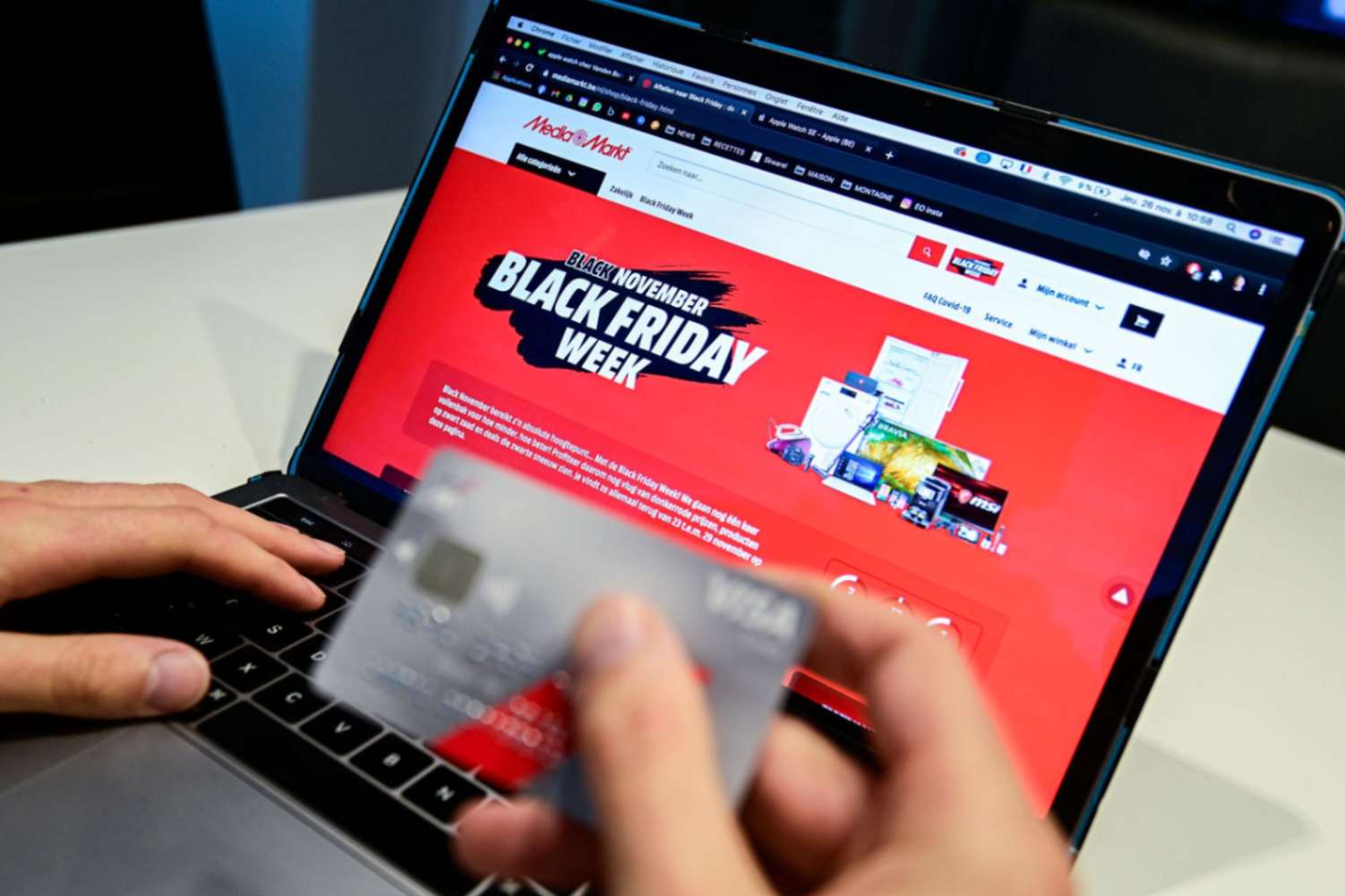
The Baymard Institute, which has studied ecommerce checkouts for over a decade, puts the average cart abandonment rate at 70.19%. On mobile that number goes up to 85% for some platforms. The report also registers seasonal spikes during the holidays. On Black Friday, abandonment typically hits 75-80%.

However, as disappointing as the numbers may be, the report also estimates that $260 billion worth of orders could be recovered just by fixing checkout.
A Forbes article featuring Wix’s ecommerce team breaks abandonment down into three triggers: friction, performance, and behavior.
This basically means not every abandoned cart is lost. But every unnecessary friction point is. Many merchants have implemented fixing these frictions at scale and seen impressive outcomes.
But before you start, as a rule of thumb, you do not spam customers.
Moving on, you also don’t have to slash prices.
What has proven fruitful is fixing the glitches that make people hesitate.
Across stores, the top reasons for abandonment are consistent:
Cart abandonment is not about lack of intent. Sometimes it panders to an unanswered question at checkout which can undo the entire consumer journey.
That hesitation is exactly what the consumer sentiment echoes on Reddit. Some responses are more layered and peculiar:
“As a user of many sites, especially a Canadian buying from US sites...I often have to get to the part where I put in my address to find out how much I am paying in total. I just want to know the price...that is why my cart is abandoned. If I like the price then I will checkout, otherwise, I will just leave the site.”
The easiest change that can be implemented is to show shipping costs and taxes before the customer starts typing their address.
According to a merchant, “Adding upfront shipping info on product pages and offering express checkout options cuts abandonment more consistently than discounts or recovery flows.”
That’s exactly what ReplaceDirect, a Dutch retailer of notebook parts discovered. They redesigned their checkout step to show an order overview with totals and delivery dates before asking for personal information. This removed unnecessary form fields. As a result, there was a 25% drop in abandonment and a 12% increase in sales.
Vembley, a fast‑fashion jewellery brand, was seeing solid traffic but customers vanished at the cart stage. They implemented a WhatsApp automation system that handled product discovery, cart management, and checkout all inside the chat. The AI could answer questions and remind shoppers without feeling robotic.
It saw a 4% increase in conversions from abandoned cart recovery. And because the chatbot handled 80% of queries, their team could focus on higher‑value work. Vembley’s founder called it “a game changer.”
This approach is now scaling across industries. Joyride, a D2C brand, used TxtCart’s conversational SMS platform to recover $1.8 million in lost sales, with a 12.4x ROI and over 23,600 orders won back.
Answering questions instantly can remove friction. And if the customer engages, your support team is adequately informed. With a holistic view of cart contents, order history, and tracking details, they can pick up the conversation with full context.
This is effective because instead of repeating themselves, customers get relevant answers quickly. And for higher AOV products, that same system can trigger a follow-up, providing additional insight to relieve customer’s confusion.
When a cart is abandoned, it’s never just one lost sale. It’s equally the ad spend that got the customer acquired and inventory that didn’t change. And if you’re using recovery tools, those costs keep adding up too.
That’s why the merchants are moving toward prevention. They’re sending better emails and making the checkout experience so smooth that people don’t have a reason to leave in the first place.
According to Baymard’s usability research, the average large ecommerce site can gain a 35% increase in conversion rate just by fixing checkout design.
In 2026, reducing friction is about being conversational and accessible, proactive to address concerns, and personalized for user retention and conversion. For this to happen you must:
Unexpected costs remain the biggest reason users leave. If shoppers have to enter their address just to calculate shipping and taxes, many will drop off to compare elsewhere.
Research shows many users abandon simply because checkout feels too complex or unclear. Guest checkout, fewer fields, and express payment options reduce cognitive load and keep momentum.
Users often abandon when they don’t understand what’s being asked—whether it’s form fields, delivery steps, or payment details. A “clean” UI isn’t enough; it has to be intuitive.
Even late in the journey, hesitation can come from uncertainty. Clear return policies, delivery timelines, and visible security cues help users feel confident completing the purchase.
While recovery emails and SMS can bring back a small percentage of users, the bigger opportunity lies in improving the checkout itself. Many abandonments are preventable.
Users frequently drop off when they encounter validation errors, confusing inputs, or repeated information requests.
Adding to cart doesn’t mean commitment. The real goal is making it effortless for users who do intend to buy to finish the process.
This kind of setup answers questions before the customer has to ask.
Email gets open rates around 42% for abandoned cart campaigns, and it’s great for storytelling and detailed offers.
But SMS is the channel for urgency where open rates are much higher especially if you need to get someone’s attention fast, a short text can pull them back quickly.
A merchant on Reddit emphasized that timing and channel often matter more than the message itself:
“SMS converts better than email for impulse buys, but only if you have consent. Email works for considered purchases if sent within 2 to 4 hours, not 24. Test personalized subject lines that reference the specific product, not generic ‘You left something behind’ copy.”
Brands that wish to differentiate themselves in an increasingly competitive environment work on both counts.
In 2026, merchants are personalizing checkout experiences in real time and opening two‑way conversations on the channels their customers actually use.
They’re also using innovative ways to grab consumer attention such as scarcity and urgency signals on discount and inventory.
Vembley did it with WhatsApp and recovered 4% of abandoned carts. Joyride did it with conversational SMS and brought back $1.8 million.
So, rest assured, cart abandonment isn’t necessarily a glitch in your funnel. It’s a reflection of consumer psychology where some hesitation is inevitable.
You can’t stop every shopper from window shopping; but you can design an experience that builds immediate trust and makes completing the purchase the easiest choice by getting the fundamentals right at every step.
Clear pricing upfront, fewer steps at checkout, answers when questions come up, and timely nudges when intent starts to drop - these are the moments that decide whether a customer moves forward or leaves.
.jpg)