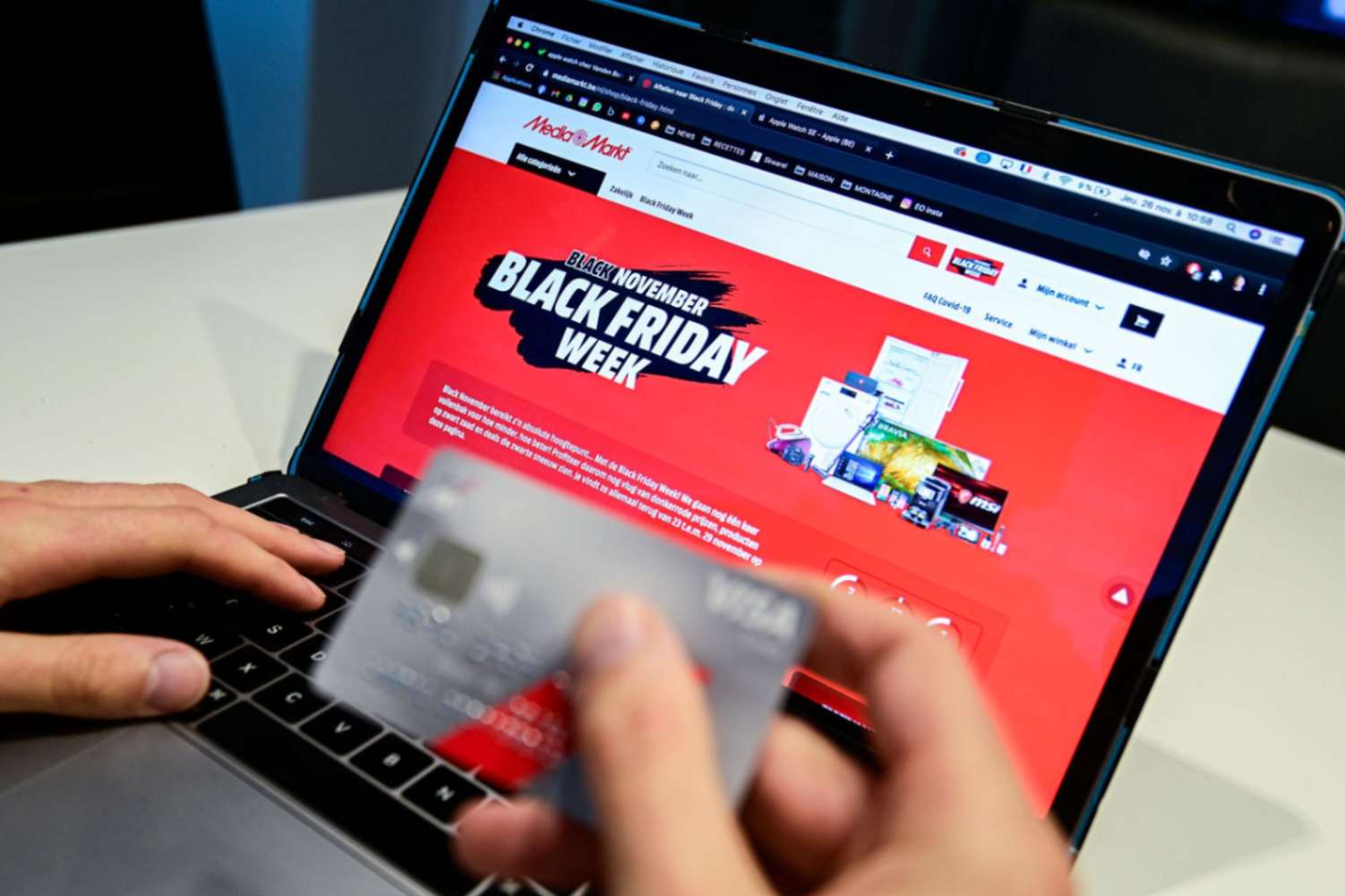
Walmart’s 3x conversion drop suggests OpenAI’s Instant Checkout was always more futuristic than real.
The headlines predicted a revolution- chat would become the storefront. The website would matter a little less. The checkout page you have spent years fixing, testing, and babysitting was suddenly supposed to look... quaint.
We didn’t buy it.

In fact, we said it pretty plainly in our earlier coverage - instant checkout simply would not work for most merchants.
Not because AI is useless or that shopping in chat sounds impossible. The problem is that buying never happens in seconds where someone spots a product, taps once, and is somehow done.
Your customers are messier than that, so are everybody’s.
They compare products and wander - switching tabs, checking different websites in search of the best prices. They add one thing, then remember they also need the cable, the case, the refill, the extra warranty, the other size, the color that their partner doesn’t hate.
Annoying? Sure. But that annoying little dance is still how ecommerce works.
Which is why Walmart’s latest admission feels less like a twist and more like the plot catching up. Wired reports that OpenAI’s Instant Checkout underperformed by a huge margin.
And honestly, that is the part the hype crowd never has to pay for.
They get the headlines. They get the hot takes. They get to declare every new interface the future. And yes, they also make a lot of money selling those dreams- Great power, zero responsibility.
Merchants get the bill when the grand reinvention turns out to be a slightly fancier way to ignore how people actually shop.
So, grab a cup of coffee in our favorite “we told you so” mug, and let’s look at what happened and why.
Earlier this month on March 4, 2026, Walmart EVP Daniel Danker said at a conference that the version people were seeing inside ChatGPT was just the “most rudimentary” form of the experience, called native checkout.
He also said it was a “very temporary moment in time” and that “by this time next month, you will not see that experience anymore.”
Then came something we already predicted months ago - downfall of ChatGPT’s instant checkout.
In its report, Wired said Walmart had seen roughly 3x lower conversion when purchases happened directly inside ChatGPT, compared with products that sent shoppers out instead. when purchases happened directly inside ChatGPT, compared with products that sent shoppers out instead.
No amount of polished AI language can soften a conversion drop like that. It says what the launch hype wouldn’t, i.e.-
A flashy idea that did not fit real shopping behavior. And yes, Walmart is now moving away from that native flow.
His explanation was pretty simple - shoppers add things through the week, want them bundled into one order, and do not behave like single-item checkout demos.
That is a pretty quick fall from how this thing was sold to the public - ‘next step in agentic commerce’ and the industry will ‘change forever’.
Turns out “forever” lasted about five months, right up until a normal cart started behaving like a cart again.
After dropping the ball with Walmart, OpenAI did not exactly kill Instant Checkout. It just stopped acting like it was about to replace normal ecommerce (good riddance!)
Earlier this march, reports said OpenAI was scaling back the original plan for native checkout inside ChatGPT and shifting more of the buying flow into retailer apps instead.
In plain English, the big “buy it all inside chat” dream started looking a lot more like “chat helps, then the merchant takes it from there.”

A few days later, the picture got even less futuristic and a lot more familiar.
On March 17, reports claimed Shopify’s newer ChatGPT setup sends shoppers to the merchant’s own checkout flow, either in ChatGPT’s browser or a separate tab, with orders still landing in Shopify like any other sales channel.

After all that noise about commerce being reinvented, we somehow ended up back at the website. Funny how that works.
So, what is next? Probably not a funeral.
But definitely not the revolution it was dressed up as either. Instant Checkout now feels less like the next big thing and more like a fancy shortcut that still drops merchants back at the same old checkout desk. Just that if you aren’t very large business, the effort may not be worthwhile just yet. Like we said earlier- sometimes it’s better to wait and watch.
If you are a merchant, this is where it might become personal.
When a shiny new commerce trend shows up, you are the one expected to “lean in.”
Test the integration -> Adjust the workflow -> Rethink the funnel -> Sit through the webinar -> Smile through the deck
And if it works, great, everyone calls it innovation.
If it doesn’t, the people who hyped it move on to the next ‘revolution’. You are the one left cleaning up the checkout mess.
So, make better decisions now - not for yesterday, or tomorrow but today!
You do not need to hand over checkout just to stay visible in AI shopping. Shopify says your products can still be discoverable in AI channels even if you opt out of direct agentic checkout, with shoppers then redirected back to your own store to complete the purchase.
In other words, you do not have to choose between being found and keeping control.
And that is where SureBright quietly fits into this whole conversation.
Not in the loud, chest-thumping, “commerce has changed forever” way. More in the very normal, very merchant way. The side of ecommerce that deals with;
And all the unsexy little details that make a customer feel safe enough to buy in the first place.
Because real commerce does not run on hype. It runs on confidence.