What’s the Consumer Sentiment? It's a measure of how people feel about their money and the economy, especially whether they feel confident or worried about spending.
The University of Michigan's Consumer Sentiment Index dropped to a final reading of 49.8 in April... an all-time low in the survey's history of about 80 years.
To put that in plain English: Americans are more pessimistic about the economy right now than they were during the 2008 financial crisis, the height of COVID, or the inflation surge that followed.
But while the Michigan data show incredibly low consumer sentiment, other indexes indicate something otherwise.
Yes, sentiment has declined across all demographics regardless of political affiliation, income, age, or education. And that sentiment is being felt across the board, as beautifully put by this Redditor:
“The world economist called me with tears in his eyes - his said this was the best sentiment plunge he’d ever seen. The best ever in the history of the world. You’re doing so much winning he said.”

But what caused it?
The Iran conflict has disrupted supply chains globally, boosting oil prices and driving up the cost of gasoline and diesel and with it, the prices of nearly everything that moves on a truck, ship, or plane. Year-ahead inflation expectations jumped to 4.7% in April from 3.8% in March... the largest one-month increase since April 2025. And not to mention the tariffs that have eaten margins and savings alike.
In short: consumers don't just feel like things are expensive. They expect things to keep getting more expensive. That shift in psychology is what merchants need to pay attention to.
Surprisingly, they are doing more so.
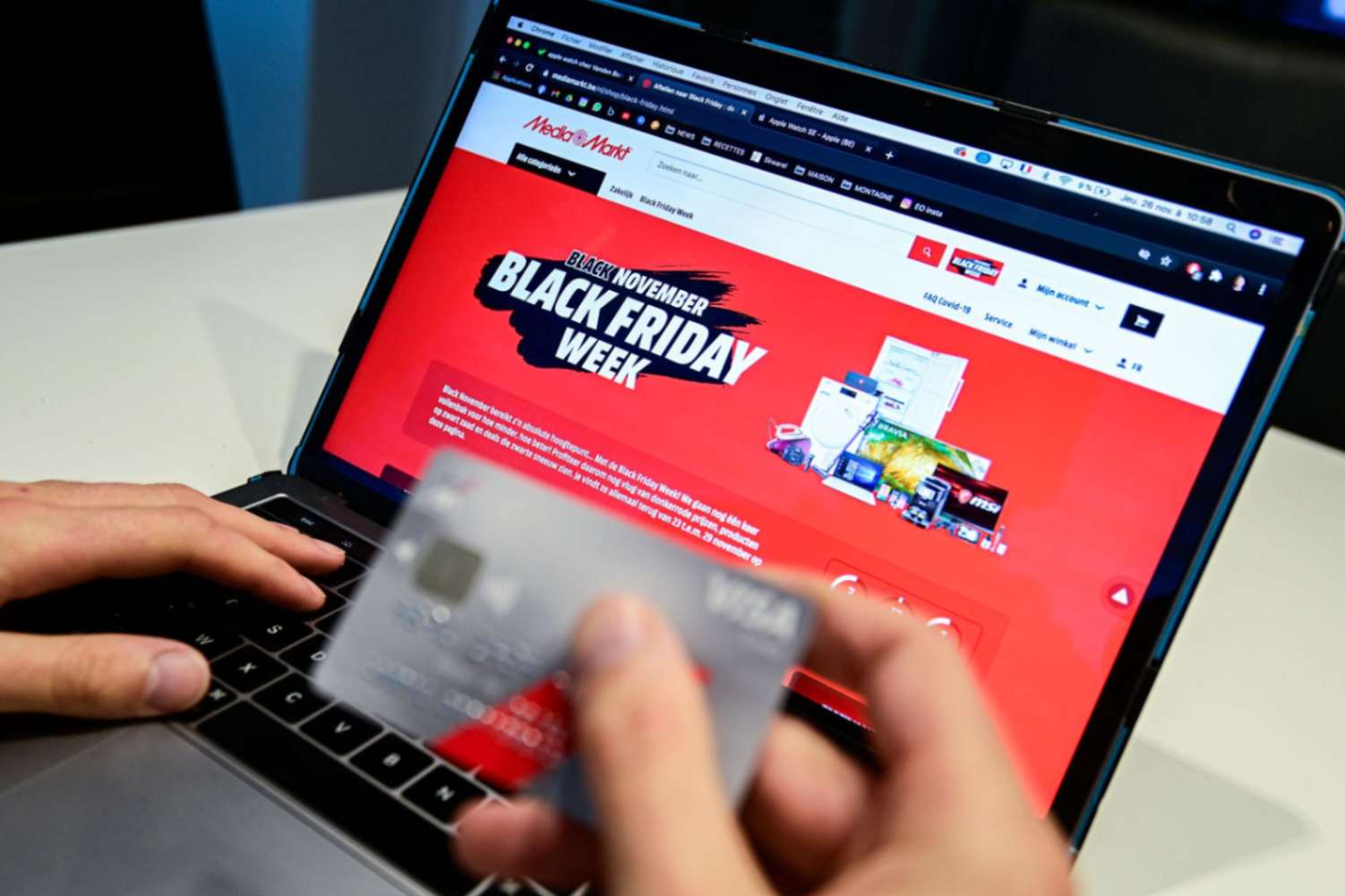
Despite a new low in consumer sentiment, January retail sales in various segments surged 6% year over year. Even the 2025 Black Friday–Cyber Monday (BFCM) weekend broke records, with Shopify merchants generating $14.6 billion in global sales... a 27% jump from the previous year.
That means the defining characteristic of the 2026 consumer is not a slow boycott, but hesitation.
Yep, that's the real insight!
Your customers haven't closed their wallets - they've just become much more careful about when and why they open them.
And funnily enough, economists have come up with a name for this gap (between how people feel and how they actually spend) which also suits the lifestyle of the current generation; they call it the "vibecession."
And this term can be understood better if we put the data from the Michigan index in front of that other index we previously talked about:
The Conference Board's Consumer Confidence Index, which surveys a larger sample and tracks employment and labor market conditions, came in at 92.8 in April, a relatively stable reading.
Yes, that’s two major indexes with two very different numbers. What's going on?
See, the Michigan index is more focused on household finances and the direct impact of inflation, while the Conference Board's index is more influenced by employment conditions. In other words: people still have jobs. But they're watching gas prices, grocery bills, and energy costs eat into every paycheck... and they're scared. That anxiety shows up in the Michigan number, which tracks exactly what matters for retail: whether consumers feel like spending or not.
It’s this disconnect that a vibecession points out.
Let’s answer this with an example.
Suppose your customer is at your store (or website) looking at a $600 appliance. Six months ago, they might have pulled the trigger without a second thought. Today, they're asking:
Consumers are becoming more responsive to promotions and perceived value, particularly in non-essential categories. Price still matters, but reassurance now matters just as much.
Offering the right product at the right price at the right time has become more important and harder to do than ever, especially as digital platforms enable consumers to comparison shop. Your competitor is one tab away. What makes someone buy from you?
Increasingly, the answer is trust and the feeling that they're protected if something goes wrong.
This might be bit hard to swallow, but the real consumer spending growth is expected to decline to about 1.5% in 2026, leaving the retail and consumer durable industries the most vulnerable.
In the long run, companies aligned with consumer value and convenience are more likely to have better financial outcomes.
Here's what to expect:
Focus on three things:
A lower price gets attention, but it doesn't build trust. Bundling your product with services, guarantees, or post-purchase protection communicates something better. So, try to address heightened caution and delayed spending, by highlighting that you offer value beyond price.
The hesitant customer's biggest fear is buyer's regret - especially on a big-ticket item when money feels tight. Whenever an economy goes through financial uncertainty, demand for extended protection typically shoots up, since consumers develop an even stronger attitude toward avoiding unforeseen costs. This is exactly why extended warranty programs become powerful tools in a downturn.
When you offer a warranty at checkout, you're removing the last psychological barrier to the sale.

Acquiring new customers costs more when sentiment is low. Your existing customers, even cautious ones, are your most reliable revenue. Give them a reason to come back: proactive communication, loyalty perks, and the peace of mind that their purchase is protected.
Consumer sentiment at 49.8 is a flashing yellow light, not a red one. People still have jobs. They're still spending. They're just doing it more carefully, more deliberately, and with a far stronger need for reassurance than six months ago.
That is why you need to connect your strategy with your customer’s psychology.
And the best way to do that is to make sure that what they are getting with their money is bound to last longer.
That is why, SureBright's extended warranty program lets you offer post-purchase protection directly at the point of sale without the overhead of building that infrastructure yourself. In a market where consumers are more inclined toward extended warranties for costly products, offering one isn't just a nice-to-have but a necessity.
For instance, businesses like Hell’s Kitchen saw 21% higher customer return rates after they integrated warranties across their products.
And that’s not just an isolated case.
Merchants that offer protection plans across categories such as electronics, appliances, furniture, and more are earning additional revenue per sale while giving customers the reassurance they need to pull the trigger.
So, low sentiment doesn't mean low sales. It means your customers need a better reason to say yes.
Give them one. Schedule your demo with SureBright today
.jpg)


M Khizar is a writer enjoys making complicated things feel simple. He writes about warranties, ecommerce, and the small details people usually overlook, until they matter. His work focuses on clarity and helping readers make smarter decisions without overthinking it. Outside of work, he enjoys reading, writing personal blogs, and binge eating with friends.