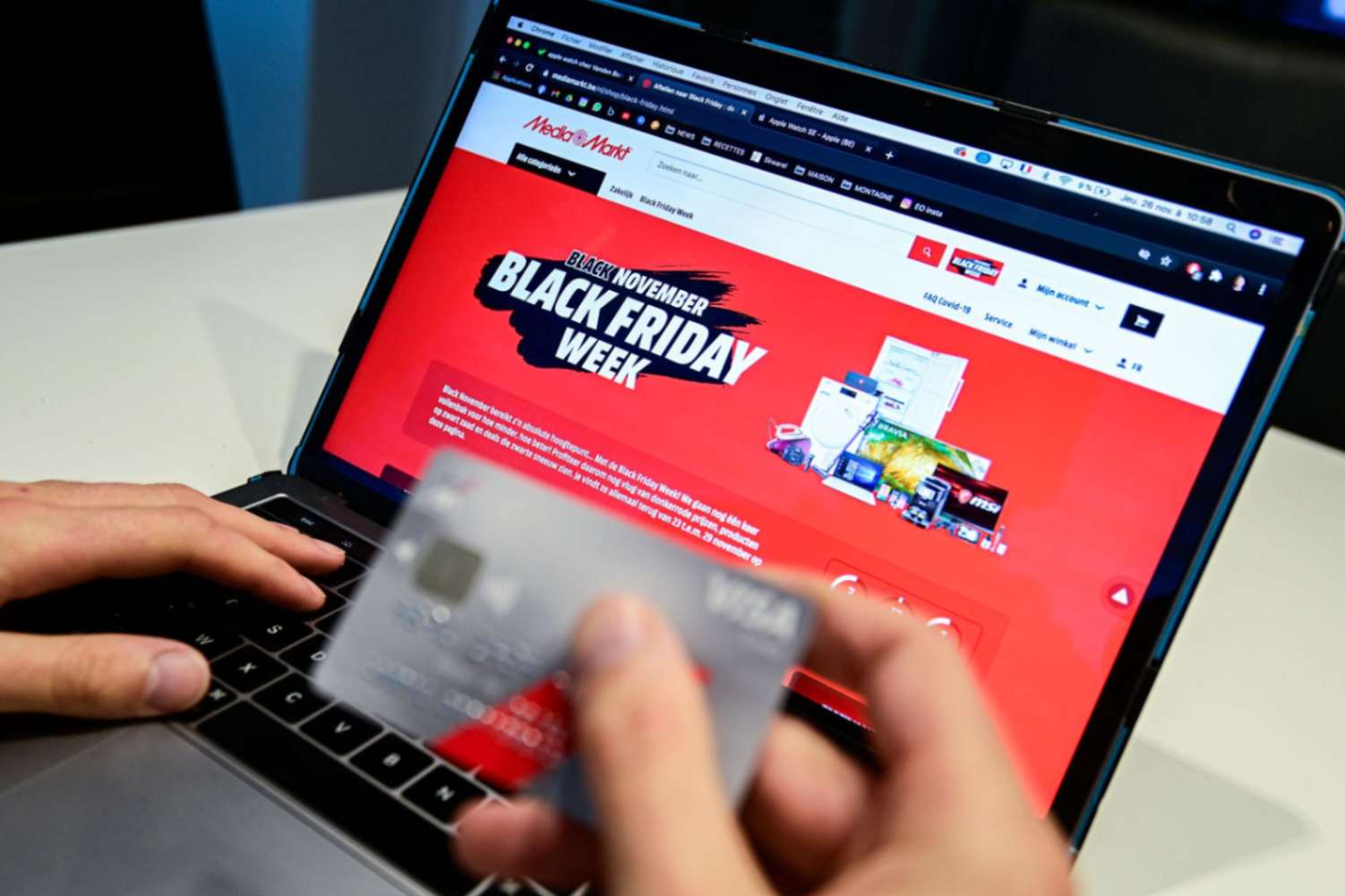


Tl;dr - Most merchants have the tools but not the discipline. Personalization fails when segments go stale, data stays siloed, and nobody revisits the rules. The real achievements are in the moments everyone ignores, like- anonymous visitors, post-purchase, real-time intent, and knowing when not to personalize at all.
“I keep seeing ecommerce teams invest in personalization, CDPs, and automation, but in practice it often ends up as: basic segments, disconnected tools, rules that never get revisited”
Think this Redditor’s experience hits close to home?
You have the tools, you have the data, you've set up the automations. And yet, somewhere between your CDP dashboard and your customer's screen, "personalization" silently becomes:
Hi [First Name], you might also like these 47 unrelated products.
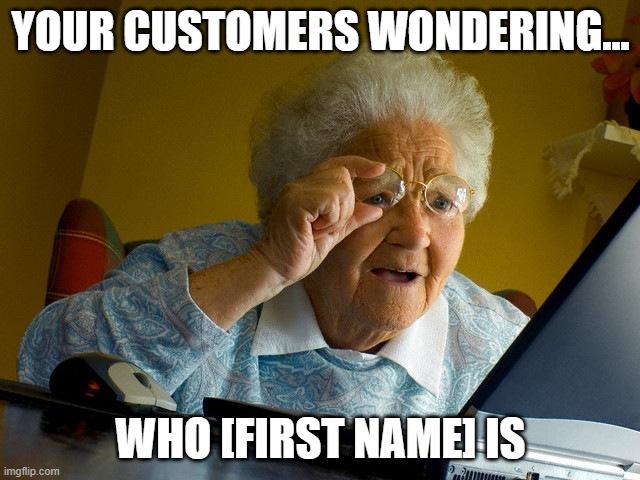
The uncomfortable truth is that about 67% of retailers believe they're doing personalization well. Only 46% of their customers agree.
But wait - it gets worse before it gets better: 3 in every 5 shoppers say that even brands claiming to personalize still deliver experiences that feel generic. More than half of your customers can see through the curtain. They know when they're being "personalized at" versus genuinely understood. Yes, ecommerce personalization began as a noble promise to offer something genuinely useful for the customers. But now, that promise is now beginning to fade away as its popularity increases day by day.
The irony is very much visible here. Personalization works spectacularly, when done right. Amazon famously attributes 35% of its revenue to its recommendation engine. Not its ads or competitive pricing but a system that notices what people look at, what they buy, and what they prefer to do next.
But the real story is happening at the merchant level. Stores with real budgets, real constraints, and real customers should be able to smell a lazy "Recommended For You" section from a mile away. See, buying a personalization tool and actually personalizing are two very different things.
Glad you asked.
Ecommerce personalization is the practice of using customer data, behavior, preferences, location, purchase history, and other relevant data to tailor the shopping experience to each potential customer.
If you want to jog your mind a little more, think of it as the digital equivalent of a shop assistant who remembers you walked in last Tuesday, almost bought the grey sneakers. So, he’ll show you something similar. That context changes everything about how they help you.
That being said, ecommerce personalization isn't just a single thing.
Here's what the data actually says:
Every merchant knows about product recommendations and abandoned cart emails. Here's where the real opportunity is hiding.
1. Real-time intent signals: A customer who has viewed the same product three times in one session is not the same customer as someone who glanced at it once. Hesitation, comparison behavior, return visits... these are the signals. The real shift is letting each micro-moment change the experience behind the scenes. A view influences the next recommendation. A pause updates relevance. Most merchants aren't listening at this resolution.
2. Zero-party data touchpoints: Quizzes, preference centers, onboarding surveys, wishlists - these are moments where customers tell you what they want. Most merchants underuse them. More on that later.
3. GEO and price personalization: An apparel brand might surface rain jackets to a visitor from Seattle while showing linen shirts to someone browsing from Miami.
Personalization has an uncanny valley. Push it too far and it stops feeling helpful and starts feeling watched. When every element shifts dynamically, the experience can feel unstable or intrusive rather than relevant.
Consider this: 34% of U.S. online shoppers over 55 view brands negatively when they use AI to make recommendations based on personal data.
If you don’t want this to happen to your brand, here are three situations where you should pull back:

In an era of tightening privacy regulations, zero-party data offers the most compliant and effective path to personalization because the customer chose to share it.
Here's what it looks like in practice:
Most merchants investing in personalization cannot answer the question: is this actually working?
So, here's a straightforward framework to help you answer just that:
Start with a control. Before rolling out any personalization changes broadly, run it against a non-personalized version for a defined segment.
Metrics that actually matter:
The attribution trap to avoid. Don't measure the recommendation widget in isolation. A customer might see a recommendation, leave, come back via email, and then buy. Attribution needs to account for the full journey, not just last click.
A simple 30-day audit to start:
Ecommerce personalization requires honest data, revisited rules, and a willingness to admit when your tools are running on autopilot while your customers drift away.
The merchants pulling ahead understand something else: this isn't just about the pre-purchase experience. It extends into every signal of trust you send after the sale.
That's exactly where SureBright comes in. If you sell products, offering extended warranties, accidental damage coverage, and shipping protection at checkout is a personalized trust signal at the highest-intent moment in your customer's journey. It integrates seamlessly with your existing ecommerce platform and takes under 10 minutes to set up - because a customer who feels protected comes back.
So, schedule your call today with SureBright team.
1. What is the difference between ecommerce personalization and segmentation?
Segmentation groups customers into buckets (women aged 25–34, repeat buyers, lapsed customers, etc.). Personalization uses those segments (and individual behavior) to serve a specific experience.
2. How much data do I need to start personalizing?
Less than you think. Browsing behavior, referral source, and session data are enough to start personalizing for anonymous visitors. You don't need a fully loaded CDP on day one.
3. Is personalization worth it for smaller stores?
Yes, particularly post-purchase flows and email personalization, which have low implementation overhead and high ROI. Start there before investing in on-site dynamic content.
4. What's the biggest personalization mistake merchants make?
Setting it up and never revisiting it. A personalization strategy with no review cycle will actively hurt your customer experience within months.
5. How do I personalize without violating customer privacy? Focus on zero-party and first-party data. Be transparent about what you collect and why. Give customers control over their preferences.
.jpg)


M Khizar is a writer enjoys making complicated things feel simple. He writes about warranties, ecommerce, and the small details people usually overlook, until they matter. His work focuses on clarity and helping readers make smarter decisions without overthinking it. Outside of work, he enjoys reading, writing personal blogs, and binge eating with friends.