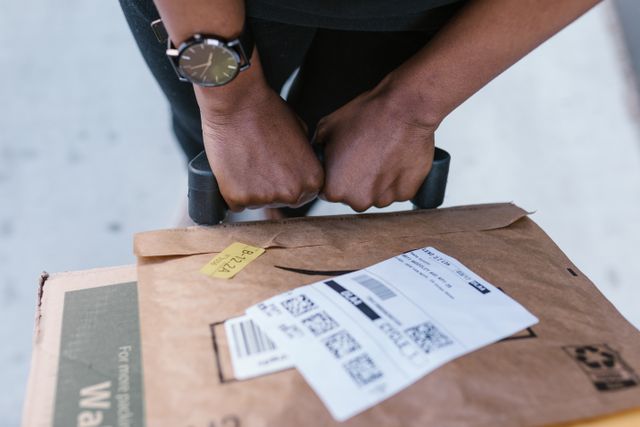


What is a warranty return? A warranty return is when a customer sends back a product because it failed during its warranty period, and they want it repaired, replaced or refunded under that promise.
People have been perfecting the boomerang for thousands of years. Ecommerce managed it in about a decade, except ours are shaped like air fryers and nobody’s happy when they come back.
What happens is that you ship an order 8 months ago, the customer says thanks and goes quiet, and you forgot you’d ever boomeranged your product. Then, months later, it comes whistling back into your inbox with a note taped to it that says “it stopped working.”
That, my friend, is a warranty return. The product broke within the period someone promised it wouldn’t, and now somebody has to make it right.
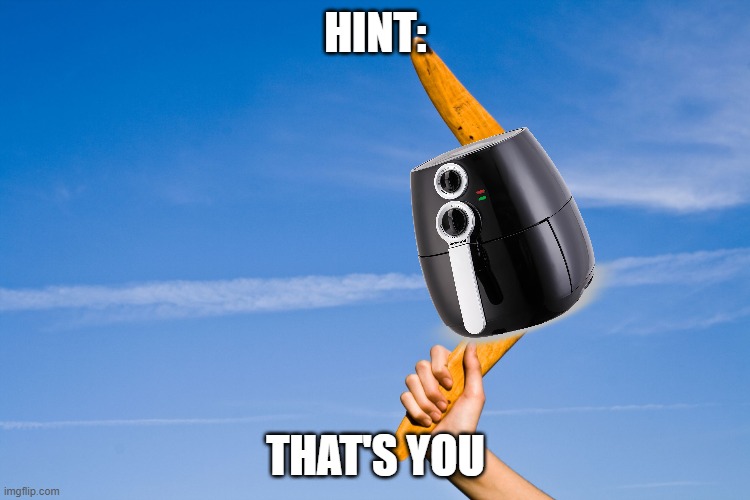
But it isn’t much fun for the customer either. One shopper on the eBay Community forum summed up the mood:
“My battery became defective so I messaged the seller. They didn’t respond.”
Even next day, it was the still the same silence.
But ghosting isn’t the only way sellers make it worse. The other favorite move is to fling the problem back to the customer with a quick “contact the manufacturer.” It doesn’t sound that bad until you learn what other forum members point out:
"Be aware though that manufacturers rarely honor the warranty on online purchases..."
So the broken unit spins right back to the customer, and the customer spins it back to you with a one-star review attached.
There’s a lot of money in the air here. U.S.-based manufacturers paid $30.37 billion in warranty claims in 2025, 4% more than the year before. Spread that across the calendar and it comes to roughly $83 million a day spent fixing or replacing things that broke too soon.
So in this guide, we’ll break it all down and discuss how as a retailer you can make your customers happy.
A normal return is a boomerang the customer throws back on purpose. A warranty return is one that comes back because the product gave up. Here’s how the two compare:
The trouble only starts when both kinds land in the same inbox and you can’t differentiate the treatment.
On paper, the manufacturer does. In practice, the bill gets split.
Suppose a cordless drill dies within 10 months from the date of purchase. The manufacturer may cover a replacement unit, but somebody still has to answer the customer’s emails, figure eligibility and print them the return label. Somebody inspects the dead drill and fills out the supplier’s claim form, then waits for a credit note that may or may not arrive. And that someone is usually you. Every “free” warranty repair eats into your margins bit by bit.
Big brands with their own repair networks take more of this off your plate, but in categories like tools, furniture and own-brand products, you are the one that stays in contact with the customer.
Then there’s the unit that wasn’t broken at all. An old Accenture study of consumer electronics concluded - only about 5% of returns involved a real defect, while 68% were “no trouble found.” The technician plugs it in and it works perfectly.
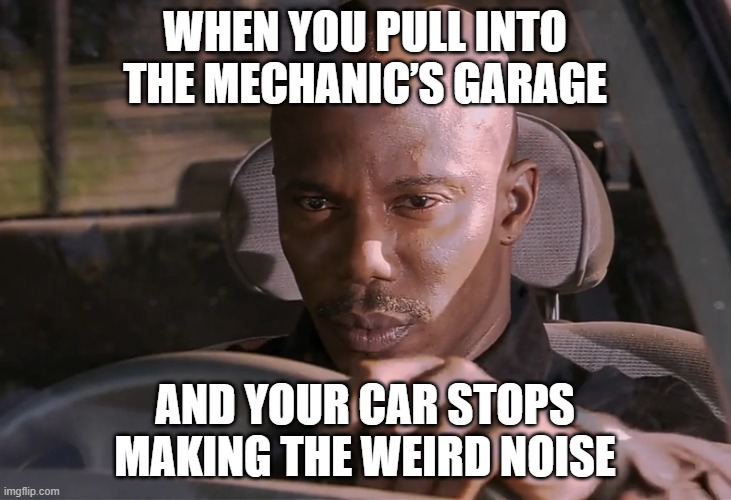
kinda like a car that stops making the weird noise the second it pulls into the mechanic’s garage.
But suppliers won’t credit you for a product that isn’t faulty, and it usually can’t be sold as new again, so that loss stays on your books.
Here’s roughly how the bill breaks down:
A thing about that last row - implied warranties don’t cover misuse or ordinary wear and tear, and most written warranties exclude accidents too. So the customer who knocked their speaker off the shelf has no warranty claim, but they’ll still email you first for possible repairs.
Products will always come back now and then, so the real savings are in how you catch them. These are the operational changes that make the biggest difference.
The classic warranty email says “it’s broken, help.” Then you ask for photos, the customer replies two days later with one blurry picture, and the case slowly ages like milk. Relatable, right? Swap the open email for a short claim form that asks for the order number, the serial number, a photo or video of the fault and when it started. Make those fields mandatory, so you’re not left grasping at straws when trying to make sense of the data.
If a big share of returned units turn out to work fine, the cheapest repair is a good FAQ. Before the form offers a return label, show the three or four fixes that solve most “it’s dead” complaints for that product, like resetting it or checking the charger.
A shared inbox works fine at ten cases a month. At a few hundred, things fall through the cracks. A warranty case touches support, the warehouse, finance and the supplier, and when each one works from its own spreadsheet the case sits in limbo between them. Move cases into one system with a clear status, and name an owner for each handoff so “I thought you were handling it” stops being an answer.
For instance, a wobbly chair leg doesn’t need a full product replacement. Set simple rules for when a replacement part will do and when the whole unit has to be swapped, based on the product’s price and how easy the fix is. Shipping a small part costs a fraction of a two-way freight label on a sofa, and the customer usually gets back to their normal blood pressure faster too.
If the defect is your supplier’s fault, the cost should be too. The photos and serial numbers from step 1 are exactly what most suppliers ask for, so forward them while the case is fresh instead of batching claims at the end of the quarter. Track what you’ve claimed against what you’ve been paid, and you’ll quickly see which suppliers drag their feet.
A business customer returning 40 faulty units on one order needs a different process from a shopper with one broken kettle. B2B claims often come with their own contract terms and bulk shipments. Running them through your consumer flow frustrates both sides, so give them a separate form and a named contact.
The fixes above are about running the process. These are about the promises you make around it, and a couple of them come straight from the FTC.
A product that comes back broken is the moment a customer finds out what your store is really like. Handle it fast and fairly, and they’ll probably buy from you again. Send them off to a manufacturer who won’t answer, and you might never have to throw a boomerang for them.
That’s where SureBright comes in. Our accidental protection fills the gap manufacturer warranty leaves for the drops and spills customers can’t claim on. Once the manufacturer’s term runs out, an extended warranty picks up the defects from there. Either way, claims on those plans go to our team instead of landing back in your inbox.
Schedule a demo with our experts to see how it fits your store.


M Khizar is a writer enjoys making complicated things feel simple. He writes about warranties, ecommerce, and the small details people usually overlook, until they matter. His work focuses on clarity and helping readers make smarter decisions without overthinking it. Outside of work, he enjoys reading, writing personal blogs, and binge eating with friends.