"I love it until I miss one day and the app acts like I’ve dishonored my entire bloodline."
That’s a Redditor confessing their ambivalence about gamification, and for some reason, I think every Duolingo user knows the feeling. You skip one lesson when life got in the way, and by dinnertime a green cartoon owl is messaging you like a grandparent who just found out you smoke.
Nobody signed up to be guilt-tripped by a bird, yet millions of people keep showing up every day to protect a tiny flame icon.
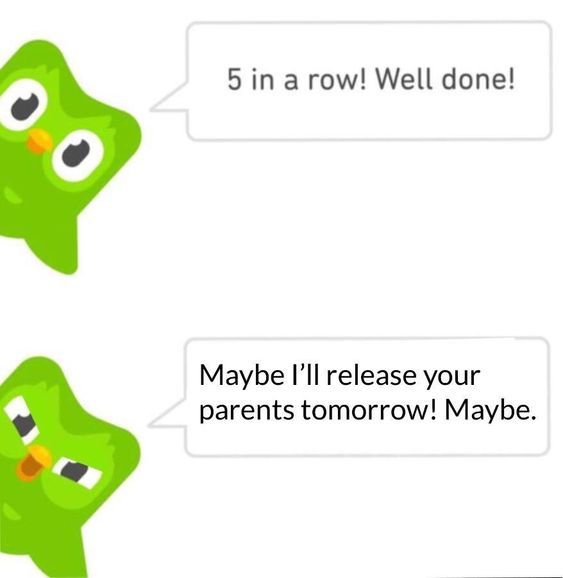
That flame is gamification at work. In plain English, gamification means borrowing the bits that make games hard to put down, such as points, levels, streaks and leaderboards, and sticking them onto things that aren’t games. Language lessons are one example. Shopping is another.
Did you know? A British game designer named Nick Pelling proclaimed to coin 'gamification' back in 2002, opened a consultancy to sell the idea, and shut it down three years later because nobody was buying. May be, just may be gamifying his consultancy some more could have helped.
Today you’ll find his word on the pricing page of every popup app.
Your store probably plays a few of these games already: a spin-the-wheel popup, a points program, VIP tiers, or that “spend $12 more for free shipping” bar. When it’s done right, it leads to serious money. Starbucks says its Rewards program drove nearly 60% of its US company-operated revenue.
However, when it’s done badly, authorities can knock on your digital door. EU consumer law called out Temu for “forced gamification” after it made shoppers spin a fortune wheel to get into the marketplace while hiding the strings attached to the prizes.
So, to help you not commit the same mistake, I've made this guide. We’ll talk about what gamification really is and then run you through the mistakes that eat into your store margins.
Gamification is the use of game elements, like points, levels, progress bars and streaks, in places that aren’t games, such as an online store, to nudge people toward a behavior. The game layer doesn’t change your product. It changes how the steps toward buying it feel. As you’d have realized perception can be stronger than reality.
If you’ve ever bought a coffee you didn’t really want, just to fill up your loyalty card, you know how gamification works.
Since we're talking about gamification, let's play a game. Following is a screenshot from Marriott Bonvoy website. Can you pinpoint the game mechanic they are using in this?
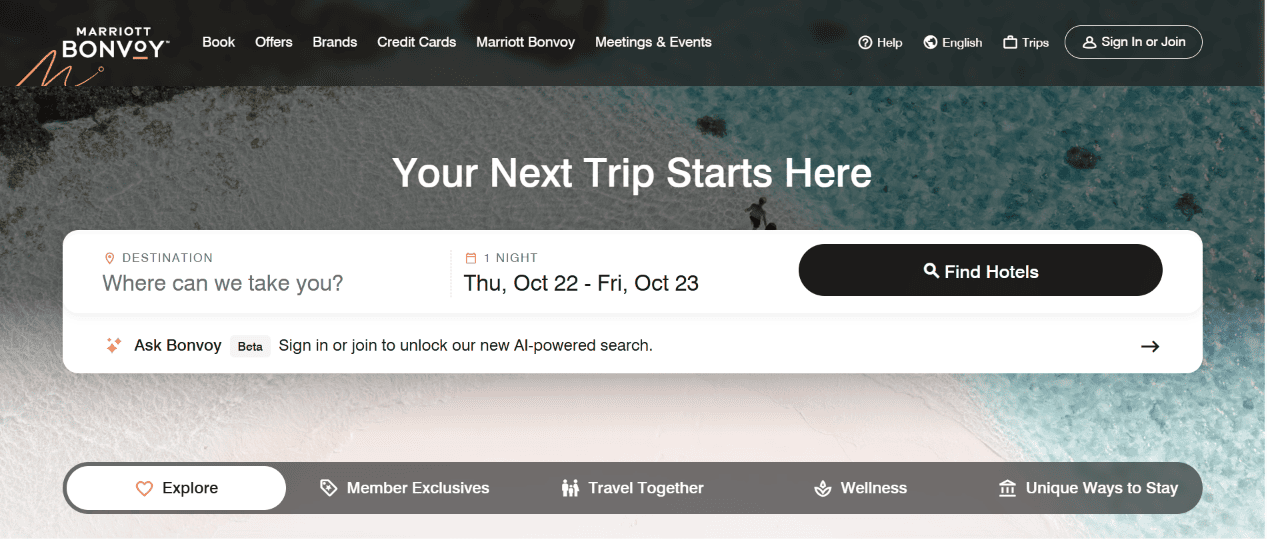
If you spotted the Member Exclusives tab, give yourself a point. That’s status at work. It hints that members get access to perks you don’t, making you want to join the club before you’ve even earned your first reward.
That brings us to other kinds of mechanics. Walk through any ecommerce store and you’ll spot it easily:
Behind the scenes, plenty of stores also run leaderboards for their support or sales teams, which is where the phrase sales gamification comes from.
In 1934, a psychologist noticed that rats ran faster the closer they got to the cheese. Seventy years later, researchers checked whether shoppers do the same thing, and it turns out we have more in common with lab rats than either side would like.
In one study, customers on a “buy 10 coffees, get one free” card bought coffee more often as they got closer to the free cup.
But there’s a catch hiding in the same study: once customers claimed their free coffee, they “reset” and slowed down again. The motivation peaks right before the reward and drops right after it.
Every game element on your site falls into one of two buckets.
To run the test, ask two questions about each element on your site:
Here’s my take. A prize is a sugar rush and progress is a habit, and for any store no matter which, habits pay the bills. Sure, prizes make a fine garnish. But they make a terrible main course. The excitement peaks when the reward is claimed and then falls off a cliff, just like your interest in the gym by the second week of January.
You do, first.
That 10% off from the wheel comes straight out of your margin, and a good chunk of it goes to shoppers who already had a full cart.
If what you really want is to save carts, aim the game at the moment people actually leave. The top reason US shoppers abandon a cart at checkout is that extra costs like shipping and fees are too high.
Points are sneakier, because every point is an IOU hiding under a pile of confettis. Look at how Ulta Beauty books its Ulta Beauty Rewards program in its latest annual report. When a member earns points, Ulta holds back part of that sale’s revenue as deferred revenue, because it still owes them a future discount. It only counts that money as earned once the points are redeemed or expire, and it trims the amount by the share of points it expects never to be used.
Your customer pays too, mostly with time and patience. As one marketer put it on Reddit:
“I’m not sure people want to play a trivia game to save $5 on a box of chocolates for the wife on Valentines Day.”
They warned that anything built for a hypothetical shopper looks like friction to everyone else. A game the customer didn’t ask for costs them a few seconds, but it can cost you the sale.
Most spin wheels are aimed at brand-new traffic, which is the one group least likely to remember you next month. So put your game where repeat behavior is. Show a first-time buyer that they’re one order into a three-order tier, and give them a real head start if you can afford one.
In the US, a promotion that combines a prize, chance and “consideration” (the player giving you something of value) is a lottery, and private lotteries are illegal in every state.
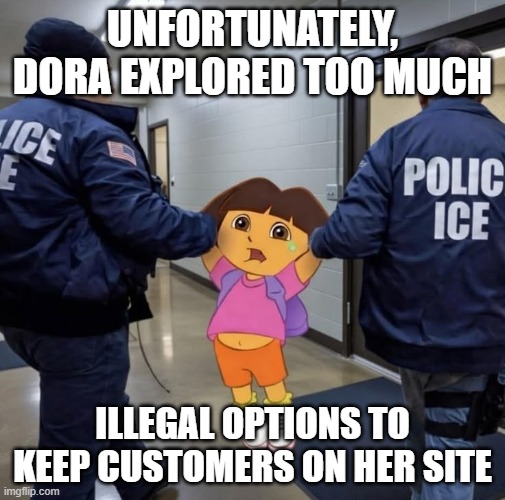
Your wheel already has the prize and the chance. The open question is whether an email address counts as something of value. In one lawsuit against the clothing brand Draper James, plaintiffs argued it did, alleging that entrants paid with their personal data for a shot at a dress. That was an allegation, not a court ruling. Still, it’s worth having your lawyer inspect your prize wheel and official rules before you turn your website into The Price Is Right: Legal Edition.
The FTC’s 2022 report on dark patterns, which are designs that trick people into choices they wouldn’t otherwise make, specifically calls out countdown timers on offers that aren’t actually time-limited. It also notes that these tricks do more harm when they’re stacked together, which is a fair description of a wheel, a timer and a “12 people are viewing this” badge sharing one popup.
Temu and Shein built empires on gamified shopping, and European regulators have been circling both. Beyond Temu’s forced fortune wheel, a European consumer group complained that Shein’s “Puppy Keep” game made users feed a virtual dog daily or risk losing the rewards they’d earned. These are EU actions and your shoppers are in the US, but the FTC is watching the same tricks. Temu can afford a team of lawyers and a few years of fines. The question is: can you?
One employee reacted on Reddit after spotting gamification on an upcoming meeting agenda:
“Are we all just working for chuck e cheeze tokens now?”
Another replied that half the people in their new leaderboard’s top 10 were gaming the system while managers argued over whose team cheated most. That lines up with Wharton research on more than 200 salespeople, which found that games improved how people felt at work when they agreed to play, and made it worse when they didn’t. Done with buy-in, it can pay off. Microsoft says its gamified contact center program doubled the attach rate for paid support services. So let your team help design the scoreboard before it goes up, and reward the whole group as well as the top seller.
Some do, and they’re surprisingly articulate about it. One Reddit user described what a broken streak feels like:
“Imagine a toothbrush counter at 5,000+ uses. Missing one day doesn’t just reset a number, it makes every future brush remind you of the break.”
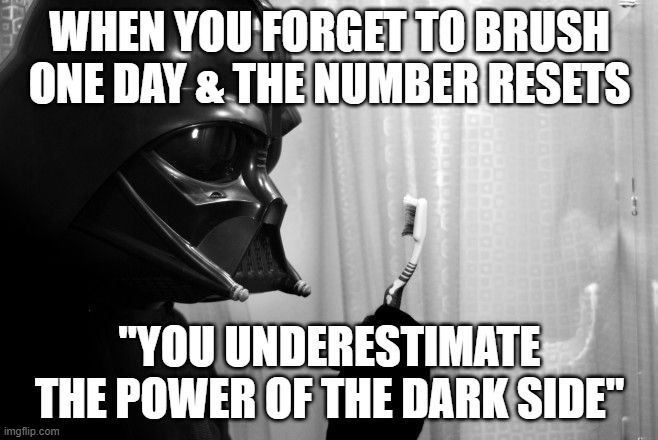
That’s the dark side of progress mechanics. Track something long enough and losing it starts to hurt more than never having tracked it at all, so a streak that punishes customers for living their lives turns your loyalty program into a guilt program.
The line between fun and fake usually comes down to whether the game is decorating your store or helping the shopper. So, gamification works when it reinforces something users already find valuable, and feels gimmicky when it exists mainly to manufacture engagement.
Most stores build their whole game around a free coffee cup and then wonder why nobody comes back. Level two starts after the order ships, when the customer is deciding whether you were worth it or not.
The best rewards don’t have to eat into your margins. Helpful support and a protection plan can bring customers back long after they’ve forgotten the spin wheel. Nobody tells their friends about a 10% coupon, but they will remember when you fix their broken product without a hassle.
SureBright helps merchants add branded protection plans at checkout and run the claims experience under your name, so the relationship keeps building after the sale.
If you want your customers playing the long game with you, book a demo with our team.
Ecommerce gamification means adding game elements such as points, tiers, progress bars or spin wheels to an online store to encourage actions like buying again or spending a little more per order.
Sales gamification applies game mechanics like leaderboards, badges and team challenges to a sales or support team’s daily targets. Research from Wharton suggests it works best when employees agree to take part and can help shape the game.
Often, but it depends on how it’s set up. In the US, a promotion with a prize, chance and required consideration can be treated as an illegal lottery, and some plaintiffs have argued that personal data counts as consideration. Clear official rules and a free way to enter lower the risk. Check with a lawyer before you launch one, because we’re not lawyers and sweepstakes rules vary by state.
It can. Research on reward programs shows customers buy more often as they near a reward, and Starbucks credits its Rewards program with nearly 60% of its US company-operated revenue. The gains tend to come from progress-based programs that reward repeat purchases more than from one-off prizes.
Common examples include spin-to-win popups, points-per-dollar loyalty programs, VIP tiers, free-shipping progress bars, product-finder quizzes and Duolingo-style streaks.


M Khizar is a writer enjoys making complicated things feel simple. He writes about warranties, ecommerce, and the small details people usually overlook, until they matter. His work focuses on clarity and helping readers make smarter decisions without overthinking it. Outside of work, he enjoys reading, writing personal blogs, and binge eating with friends.