

There is an old retail joke: You can lose money on every sale and make it up in volume.
Black Friday is the time of the year when that joke gets dangerously close to the truth.
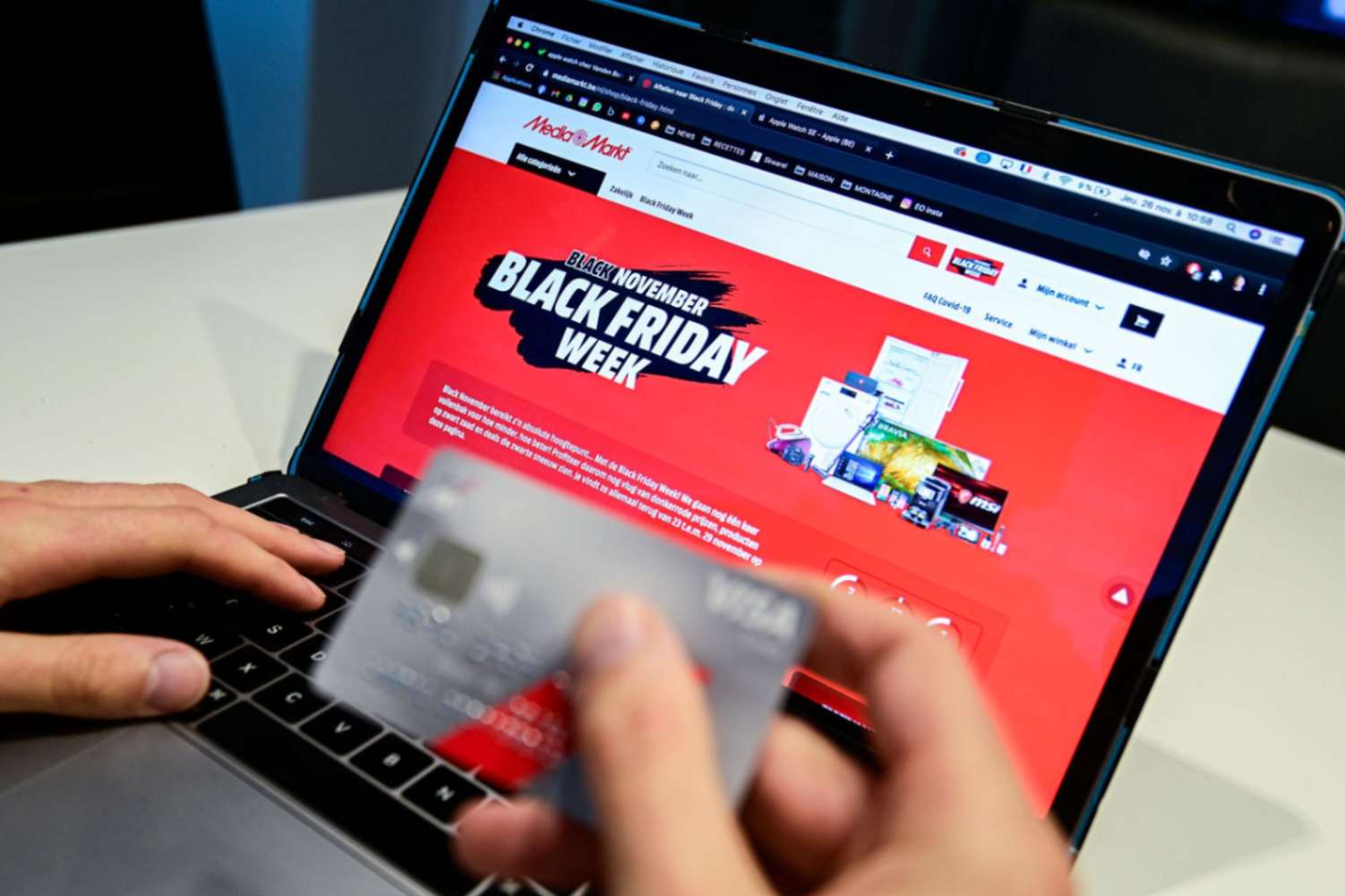
For one high-stakes weekend, merchants are encouraged to do everything that usually makes fraud harder to catch: remove checkout friction, approve orders faster, promise delivery sooner, and treat every abandoned cart like an urgent problem to solve.
When volume becomes the goal, and speed becomes your strategy, even suspicious orders can start to look like revenue worth keeping. That is what makes the Black Friday rush such useful cover for fraud.
A fraudulent purchase does not need to defeat every control in your stack. It only needs to look ordinary in a month when “ordinary” stops existing.
The cost of those decisions does not appear on your dashboard during the sale. It shows up later, when the retail festivities die down, and those orders start coming back as chargebacks.
And when that happens, you are left wondering: where did you fail to close the loop?
A fraudster during Black Friday does not always have to find a weakness. Sometimes, merchants create those weaknesses themselves.
The pressure to keep orders moving can change how much scrutiny an order gets after it is placed.
Take the example of how merchants prepared for last Black Friday. Expecting a busy season, 49% planned to use third-party logistics partners, while 43% planned to hire seasonal workers. To attract more customers, 37% planned to extend their return window.
Now look at those decisions from a fraud perspective.
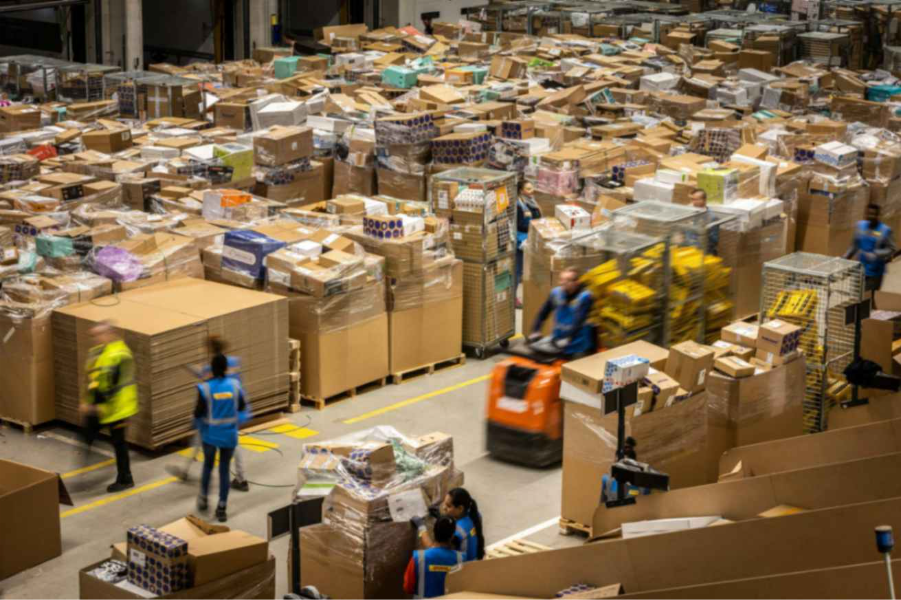
An extended return window creates more time and opportunity for return abuse. Seasonal staff may also approve a return without following your processes about checking customer history on unusual returns. And when a third-party logistics partner handles the product, the last chance to inspect it may be taken entirely out of the your hands.
What’s more, last year >50% of ecommerce store visitors weren’t even human.
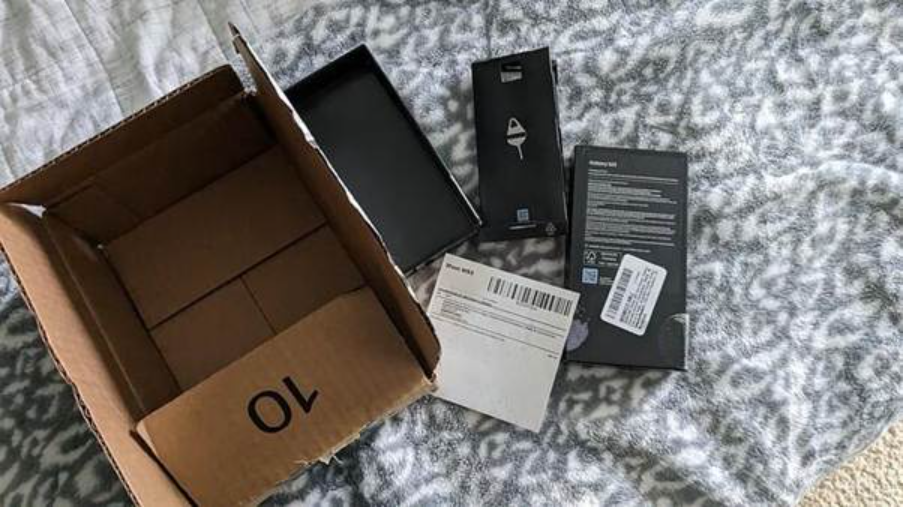
One electronics seller on Reddit put the problem bluntly:
“My return rate is about 10% (extremely high) ...over half of them are fraud of some kind. Either buyers send back broken items with different serial numbers, remove parts/accesories from the original shipment before returning...or simply try to get a refund without returning.”
This might make it sound like speeding up returns and delivery was wrong. It wasn't. The problem is that moving faster leaves less time to check for fraud.
Even if the issue is spotted, the sales volume leaves merchants very little time to fix it.
A suspicious order can look completely normal for weeks before anything raises a red flag.
The payment goes through. The campaign dashboard records another sale. Nothing in that sequence tells the merchant whether the customer will recognize the charge or ask their bank to reverse the payment.
That delay breaks the usual feedback loop. In a normal month, a rise in disputes can help a merchant spot a problem and change a rule quickly. During peak season, the evidence to make that decision arrives too late.
One merchant experienced this firsthand when he contacted the manufacturer about a return and discovered he was dealing with a return abuser:
“We had a customer purchase a $600 coffee grinder over the holiday season (Dec 8th); nothing suspicious with the order. All fraud risk level was low. Now, a month later, the customer has submitted a chargeback with us.”
Customers can also have months to dispute a payment. Visa allows up to 120 days for many fraud and “merchandise not received” disputes, although the exact time depends on the reason for the dispute. Mastercard also says some chargeback processes can take up to 120 days.
That is why problems from holiday orders can start showing up long after the sale has ended.
Most chargeback issues surface in January because that is when customers finally act on problems with their holiday purchases.
By then, customers may be waiting for a refund, following up on a problem that was never fixed, or trying to reverse a purchase they no longer want. Others may only notice a charge they do not recognize when they check their holiday spending.
Bad-faith customers can also wait weeks before disputing a payment. They may keep an expensive item and then falsely say they did not make the purchase or never received it. If the merchant cannot prove them wrong, they may lose the money while the customer keeps the product.
One merchant who experienced this post-holiday effect wrote:
“Black Friday was our best month ever, but January is destroying us. Seven chargebacks in 10 days, all saying "item not received" even though I have delivery confirmations. Spent 14 hours this weekend building dispute responses instead of planning Q1 inventory.”

These chargebacks also highlight the reporting problem. Revenue is often tracked as one campaign number, while disputes show up later in finance, support, or payments.
That can hide where the money went. Strong sales can look profitable on the original report, even when refunds on one product, delivery problems on one fulfillment route, or disputes tied to one payment method cut into the margin later.
But not every bad order can be stopped, so what can your business do to save margin?
One way to put some of that value back is by offering extended warranties at checkout.
After big discounts, marketing costs, shipping costs, and refunds, a merchant’s margin can look like a small stream running almost dry.
An added protection plan at checkout can put some money back into that stream. It gives your business a chance to earn more from the same order.
One e-commerce merchant explained why warranty upsells can matter for a growing store:
“The next thing, IMO, you need to focus on is your upsells, increasing your AOV (average order value)…Having upsell funnels is the leverage in business everyone talks about…Think of upsells like this: A portion of your clients would definitely spend more $ with you, but by not offering anything else, you’re leaving money on the table.”
Extended protection can also make customers feel more comfortable buying products that can be costly to repair. A laptop, TV, camera, or refrigerator can feel like a safer buy when customers know they can get help if something goes wrong after the manufacturer’s warranty ends.
If something breaks later, the plan may help cover the repair, replacement, or refund. The merchant earns more from the sale, while the customer has help when they need it.
The busiest sales days often leave merchants with the least time to think about what comes next. By the time the holiday rush settles down, the next round of sales is already getting closer.
That is where SureBright can fit into the sale without giving merchants another system to build from scratch. Merchants using our structured warranty program have reported 18.4% increase in profit and 15% lift in average order value.
Sennheiser offers a real-world example of how that can work. The brand’s ecommerce team wanted protection that could add value without creating another claims workload. SureBright handled the claims directly, while protection was offered as part of the buying journey.
For a busy sales team, keeping that work off its plate can make the post-purchase side easier to manage.
So turn your next sales rush into another revenue opportunity. Book a demo with SureBright.


Pushpender enjoys exploring the stories behind everyday decisions. He writes about warranties, ecommerce, and the psychology of buying. He draws on internet research, lively conversations, and a curiosity for the details most people overlook. With a background in English Literature, he believes good writing isn't measured by how complex it sounds, but by how effortlessly it helps someone understand a complex idea. Outside of work, you'll usually find him reading fiction and history, striking up conversations with people from different walks of life, or jotting down ideas inspired by both.