

“Please stop buying this horrible glitter product — I’m sick of dealing with it.
Sincerely, Mat.”
That was Mat Carpenter’s plea to the internet after his practical-joke website, ShipYourEnemiesGlitter.com, became a little too successful for its own good.

The premise was beautifully petty: for $10, anyone could send an envelope stuffed with glitter to someone they really didn’t like. The internet pounced on it like hungry seagulls on a bag of fries. The site pulled in roughly a million visits and 270,000 social shares in just 24 hours, sending thousands of orders Carpenter’s way.
For most ecommerce brands, that kind of frenzy would be a champagne-worthy moment.
But imagine waking up one morning to find your sales lighting up the dashboard faster than anyone can keep track. Your order count keeps climbing, notifications won't stop, and your team is scrambling to keep up- until someone discovers the inventory system has oversold the product. The celebration ends pretty quickly when you realize you're holding orders you can't fulfill.
But that’s not the end. Some consequences come in their own sweet time.
Months later, the viral campaign is old news. But your inbox is filling up with repair requests. Payment disputes are surfacing. And the same customers who once made your sales graph shoot upward are now sending your customer-service team into overdrive.
Which leaves you staring at your screen, wondering: why is all of this happening at once, and what does it mean for the future of your business?
During normal business days, purchases trickle in like a leaky faucet. 1,000 orders this month, maybe 1,200 in the next. As a result, post-purchase issues remain more or less stagnant. So one customer asks for a return on the 5th, another reports a defect on the 18th, a third files a dispute on the 27th.
But a mega event or viral sales spike turns that faucet into a firehose.
Orders pile in, and their problems tend to follow in formation. First comes the “Where’s my order?” brigade. Then come the return requests, refund questions, complaints, and the occasional “Why isn’t this working?”
Black Friday sales give a perfect example of just how fast the issues can snowball. One fashion retailer that normally handled 2,000 orders a week recorded 10,000 sales—5× its usual volume. With that many packages moving through the system, “Where Is My Order?” questions came running like kids chasing an ice-cream truck. They accounted for nearly 35% of all customer-service calls during the peak period.

But WISMO is a problem your team can work through. What happens when the next problem starts costing you money?
Just when the first wave of post-purchase queries starts to die down, another problem comes crawling out of the woodwork.
And that problem is payment disputes.
Payment networks track these disputes in different ways, For example, Visa's VAMP ratio is calculated monthly using TC40 fraud reports plus TC15 disputes, divided by settled card-not-present transactions for that month. The idea is to find out how many fraud reports and disputes are showing up against the number of online transactions you're settling that month. And Mastercard says cardholders can have up to 120 days from the transaction date to file a dispute.
That creates a timing trap.
Say a mega-sale pushes monthly transactions from 1,200 to 9,000. The spike month can look clean because most disputes haven't arrived yet. Once transactions return to normal, disputes from those 9,000 sales can come flooding in. The denominator shrinks back to normal; the numerator keeps growing.
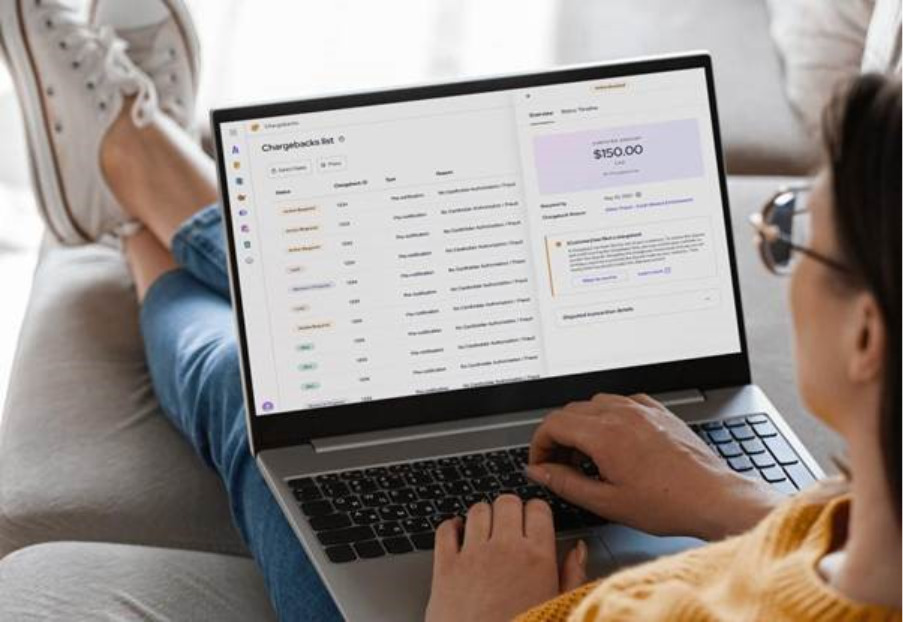
There is another problem: the same delayed disputes can look small during a sales spike but make your dispute ratio rise sharply once sales fall back. That matters even more when payment networks have started to lower their excessive-dispute threshold. Once a merchant reaches that tier, each dispute can also cost a fee, with no warning tier.
And that difference can hit the business in very real ways.
A merchant may have already spent the mega-sale revenue on inventory, fulfillment, marketing, or the next round of growth. Then the disputes start arriving months later. Each one can mean lost sale proceeds, dispute fees, time spent fighting the claim, and customer-service work. At scale, the merchant is paying to clean up yesterday's mess while today's orders still need to be fulfilled.
That is not all. Product claims can come back in an even bigger wave.
Product complaints are another problem waiting in the wings, ready for their cue to come and steal the spotlight.
Reliability engineering has known for decades that electronics and electromechanical products tend to see more early-life failures within roughly the first 30 to 90 days of use. Now make that 3,000 units activated in one week. At a 2% early-failure rate, 60 customers can suddenly be asking some version of the same question: “Why did this thing just die?”
That’s manageable when those calls come in droplets. It’s a different story when they come in like a herd of wildebeest. Your support queue gets crowded, replacement inventory starts moving, repair teams get busier, and every “Can you help me with this?” needs a human who’s already exhausted.
Then comes the less obvious headache: the warranty expiration date.
A 12-month warranty can put another deadline on the calendar for the same group of customers. When their coverage ends, even a legitimate product failure can become a conversation about dates, eligibility, and who is responsible for what.
And California has made that timing especially important. Civil Code §1793.01 bars manufacturers, distributors, and retail sellers from making an express warranty that begins before the date of delivery.
So for a merchant shipping orders into California, starting the warranty clock at checkout can leave you with a very awkward question later: was the warranty already running while the product was still sitting in your warehouse?
But warranty timing isn't the only thing that can come back to haunt a mega-sale. There’s also the revenue you may have left behind while rushing to capture it.
When checkout speed is the priority, an upsell can feel like an unwelcome pause, but only if it's not pitched in the right manner.
As a result, the buying journey gets stripped down, bundles disappear, and the product page turns into little more than a "let me buy this and go" button.
When the checkout is moving at warp speed, nobody wants to stop the conveyor belt for an upsell that is poorly timed or communicated.
Suddenly, the buying journey gets put on a diet. Bundles get pulled, and the product page becomes less of a shopping experience and more of a “please just let me buy this thing” button.
But that can also make your busiest week thinnest on revenue per order.
On top of that, viral orders aren't necessarily cheap orders to serve. Social commerce return rates run roughly 23% versus 14% for DTC. Add support, return handling, expedited freight, and dispute exposure, and that supposedly golden order can get expensive fast.
That makes every missed attach opportunity sting a little more. When the protection offer is skipped, the merchant loses a chance to earn more from the same order.
But the cost does not end there. If that product fails later, there is no protection plan to handle the claim, leaving the merchant to deal with the customer and the problem themselves.
A warranty can change the aftermath of a sales event, not by making failures disappear, but by changing the economics of delivering a great customer service experience.
Take those 60 early failures. Without a separate protection program, every “my product stopped working” message lands back with the merchant. Someone from your team has to determine what happened, check whether it is covered, arrange the next step, and keep the customer moving toward a resolution.
With a third-party protection program, that work can sit with the warranty provider instead. The customer gets a claims process; and as a merchant you gets more breathing room plus higher margin. Warranty providers like SureBright can handle claim intake and processing and, arrange the repair or replacement.
That distinction becomes even more valuable once the manufacturer's warranty expires. An extended plan can keep mechanical or electrical breakdowns covered beyond the OEM warranty period, so the merchant isn't suddenly left explaining the coverage gap to the customer.
The other piece is simple but important: your customers need a dedicated claims portal that guides them properly instead of sending them back through your general support queue- where it may not receive the time and technical attention it may need.
The result? Product failures create less work for the merchant and its team.
There is a funny thing about ecommerce success: the harder your store is hit by demand, the less time you have to figure out whether you were ready for it.
A viral product can turn a small merchant into a much larger business almost overnight. But size brings a different kind of responsibility. A customer who discovers you through a viral post doesn't know or care - how chaotic things became behind the scenes. They simply expect the experience to match the promise that convinced them to buy.
And this is already happening with brands like Sennheiser and Victrola, which use SureBright to build protection into the customer journey without letting the work that follows a sale fall entirely on the merchant.
Keep the sales spike from becoming a post-sale headache with SureBright.


Pushpender enjoys exploring the stories behind everyday decisions. He writes about warranties, ecommerce, and the psychology of buying. He draws on internet research, lively conversations, and a curiosity for the details most people overlook. With a background in English Literature, he believes good writing isn't measured by how complex it sounds, but by how effortlessly it helps someone understand a complex idea. Outside of work, you'll usually find him reading fiction and history, striking up conversations with people from different walks of life, or jotting down ideas inspired by both.