


A customer texts a bike shop's support line at 9:47 PM: "Bought this through your dealer in Denver, wheel's cracked, is this covered?"
9:52 PM, from the shop: "Checking, one sec"
10:14 PM, from the shop again: "Hey so weird, I'm not seeing this order in our system at all. Did you buy directly from us or through the dealer?"
10:15 PM, customer: "...I just said through the dealer"
10:16 PM: "Ah, gotcha, let me loop in our dealer ops team, they handle that separately"
Next reply: three days later.
If that chain of communication feels familiar, you've either run a multichannel operation or been on the frustrated end of one. Like this Redditor, who bought five Minisforum UM760 Slims only to find himself bounced between the manufacturer and reseller when one stopped powering on:
“Contacted Minisforum about this, and they indicated that because I didn’t buy directly from them, they don’t provide warranty coverage, and to contact the reseller… So I contacted them and as you would expect they refused to help stating that it’s a warranty concern and to contact Minisforum.”
That’s the problem brands create when they sell through multiple channels without making sure their warranty program works consistently across all of them.
The opportunity is too large to leave sitting at checkout. The global extended warranty market generated roughly $147 billion in 2025, growing at nearly 12% a year, with North America accounting for more than a third of that total. The real opportunity for retailers is making that growth work across every channel, with a warranty model designed to protect the margin wherever the customer buys.
But have you done the same thing, or does your warranty still run like that email chain: three departments, three answers, one stuck customer? The fix is not selling more warranties per channel but redesigning the coverage system so it says the same thing on every channel.
Why? Because a warranty doesn’t stop mattering the moment a consumer clicks “Place Order.”
A warranty sale creates an obligation that outlives the checkout
So, if the warranty begins with the purchase, and an extended warranty takes over after the manufacturer’s warranty ends, why should we count its revenue as complete at the time of purchase?
Best Buy, for instance, reports deferred revenue and contract liabilities for certain unfulfilled services and obligations while selling hardware protection plans on behalf of third-party underwriters. The accounting reflects that the transaction may be complete, but the obligation created by the warranty isn't.
And that obligation has to remain accessible after the sale. One Redditor described what happens when it doesn't:
“Bought an appliance last year (roughly a year ago exactly) and a protection plan but misplaced the receipt and it’s not showing up in my account online with my other in-store purchases.”
No other line item in a multichannel retailer's revenue creates quite the same retrieval problem. A discount code closes the moment the order is completed. An ad impression is gone before the tab shuts. A warranty, however, might need to come back into the customer's life years later, when they need to make a claim.
If a customer buys through a dealer, then returns through a website, calls support, or makes a claim in-store, the coverage can't stay tied to the path the customer took to buy it.
So, what should the warranty coverage be tied to instead?
Warranty should follow the product, not the sales channel
Here’s the detail almost every warranty article skips: many warranty programs begin coverage validation with a plan, receipt or order identifier, while stronger systems also bind coverage to the product’s serial number. Best Buy’s current claims process, for example, asks for both a Protection Plan ID and the product’s serial number.
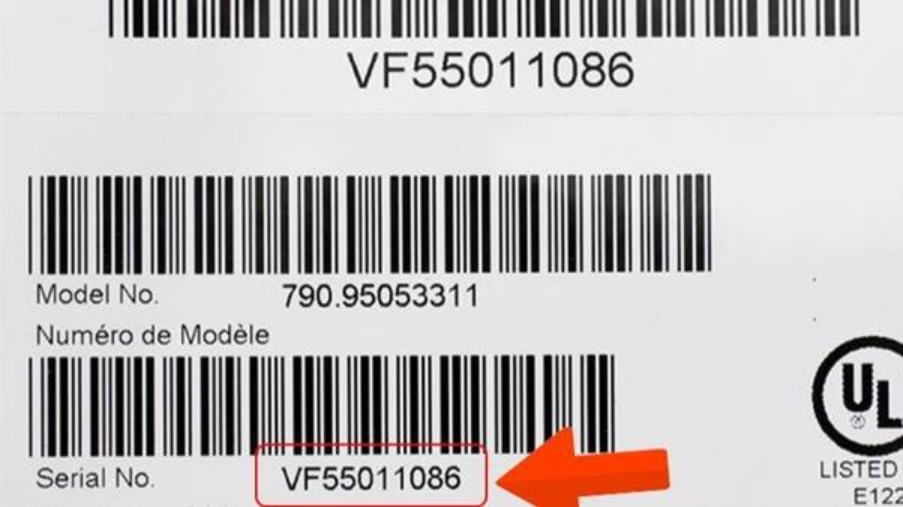
That distinction matters in an omnichannel system.
An order number is created by the commerce system that generated it. A dealer platform, Shopify store, marketplace, and service provider may each assign different identifiers to the same customer and product unless those systems are deliberately connected.
Those numbers might all describe the same purchase, but they are not automatically interchangeable. To one system, the order is a valid record. To another, it may not exist at all.
So when a customer shows up asking, “Is this covered?” and support searches the wrong platform, the problem may not be a poorly trained employee or someone having a bad Tuesday. The relevant order or plan numbers may simply be missing from the system.
Stamped on the product before it ever reaches a sales channel, the serial number is channel-agnostic by construction.
That makes it a stronger cross-channel key, but only when it is actually connected to the warranty or order ID. It does not create a unified record on its own. It becomes useful when every authorized channel can use it to retrieve the same product history.
When that happens, the "Which system do I check?" scavenger hunt disappears. There's one file for the product, findable from any channel, regardless of which one sold it.
And that is the real mechanical difference between a warranty program that can survive omnichannel growth and one that simply does omnichannel marketing .
But improving the post-purchase consumer experience is only half the benefit. The other half comes from reducing the friction created by channel fragmentation.
Warranty complaint patterns can help identify channel problems
A unified warranty record is more than a place to check whether a product is covered. It gives retailers a way to spot when the product is innocent, and the channel is where things went wrong.
Take, for example, a rising compressor-related claim rate. In a channel-by-channel report, that spike can easily get labeled a manufacturing defect. A unified record might tell a very different story: the claims are concentrated among units handled by one marketplace fulfillment program, arrive within 30 days of delivery, and cluster in a few service areas.
Suddenly, the compressor looks a lot less guilty.
The pattern could point to something happening after the product leaves the factory. Maybe units are arriving damaged. Maybe installation is triggering failures. One Redditor found this out firsthand after the compressor in their 2-ton Lennox unit failed.
“He (technician) pointed out that the system called for 3/8” liquid lines but the installers used the old 1/4” lines from the York. ... the Lennox manual even states that 3/8” should be used.”
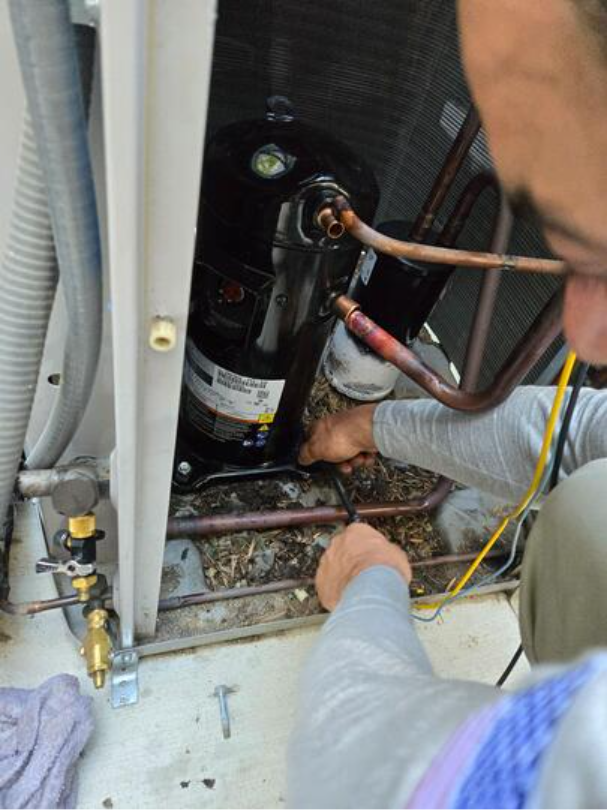
That distinction tells the right team where to look. A pattern tied to installation points to dealer practices, not necessarily the product itself. Finance can then treat the spike as a contained channel issue rather than rolling it into a broader product-level reserve problem.
Timing matters, too. Fragmented ledgers often reveal the pattern only after the claim total is large enough to hurt. By then, the reserve has taken the hit and teams are reconciling months of exports that refuse to agree.
Unified warranty data catches the anomaly while it is still small enough to fix. That makes it useful far beyond claims administration: it can protect the forecast before a channel problem starts masquerading as a product problem.
And the cost of channel fragmentation does not end with the warranty claim.
A channel problem can become a partner problem
Every new sales channel is also a relationship. A dealer, marketplace, or reseller is putting its name behind the sale, trusting the retailer’s systems to hold up when the customer needs help. When warranty coverage works differently across channels, that inconsistency lands on your partners as well as your supply chain.
Think of the bike incident in Denver. The dealer probably did nothing wrong. They sold the bike in good faith on the retailer’s behalf and expected the warranty system to recognize the purchase when the customer came calling. Instead, the record could not find the order, leaving the dealer to explain why the customer was stuck for three days.
That cost rarely shows up on a balance sheet. But the channel relationship starts carrying the damage.
That is why a channel-proof warranty program matters beyond customer service. Customers should get the same answer regardless of where they bought, and dealers should never have to defend a system they did not build.
When warranty records move cleanly across channels, partners can keep selling with confidence. The next sale may depend on whether the last warranty experience made them look reliable or left them explaining someone else’s failure.
Closing the loop on that email chain
Most of what a retailer sells is finished the moment it's paid for. A warranty isn't. It sits there, unused, sometimes for years, waiting for a moment nobody can predict. That's not a sale so much as a standing commitment, and standing commitments need infrastructure that a one-time transaction never had to build.
SureBright is that infrastructure. It keeps a single coverage record for every product, built to hold up whether the sale happened through a dealer, in-store, on a marketplace, or through an independent site, so the commitment made at checkout is still honored whenever the customer comes back to collect on it. Onboarding is fast, there's no upfront cost, and the retailer earns high-margin revenue share throughout.
So book a demo with SureBright to see what your warranty program would look like when every channel has the same answer.



.jpg)