

In Samuel Beckett’s famous play Waiting for Godot, Vladimir and Estragon sit on a desolate road waiting endlessly for someone named Godot. Every single day, a messenger arrives promising that Godot will come tomorrow. Of course, he never arrives.
.jpg)
In 2026, a customer staring at a tracking page that says “In Transit - Arrival Pending” is living out their own digital version of Waiting for Godot. The difference? Beckett’s characters sat patiently for two acts; your customers will most likely blow up your help desk before intermission - if they do not cancel the order or file a chargeback first.
This existential customer friction has a five-letter acronym that haunts every e-commerce operations team: WISMO (“Where Is My Order?”).
Research puts WISMO at 20% to 40% of all inbound support volume on a normal day, climbing past 50% during Black Friday and Cyber Monday (BFCM).
A 48-hour black hole in carrier updates reads to the customer as post-purchase anxiety, and anxious people do not wait politely. Amazon is already training shoppers to expect delivery in hours, not days. So, the faster the baseline gets, the more painful a silent delivery window becomes.
And at $5.50 to $12.00 per agent-handled ticket - up to $22.00 once it hits the phone - that is easy to absorb on a quiet September Monday. During BFCM, when order volume can quadruple overnight, and WISMO climbs past 60% of your inbox, 3,000 extra “where is my box?” emails can burn through $16,500 to $36,000 in support labor alone. And that is while discounting the heavy toll of porch piracy.
The shallow view sees WISMO as a support-volume problem - a customer has a question, so a ticket gets created. The real nuance runs deeper - it treats every ticket as a moment of uncertainty, where every missing update can either reinforce or erode the customer’s trust in the brand. Or in worst-case scenarios become foul play in the form of friendly fraud or premature chargebacks.
So how do you fix the friction before WISMO cannibalizes your holiday margins? That’s what this blog will address.
You might assume the real BFCM crisis is shipping carriers buckling under the sheer weight of orders. But last holiday season, UPS delivered 97.2% of packages on time, FedEx and USPS landed comfortably in the mid-90s, and delivery trucks kept rolling through a record $257.8 billion online shopping frenzy.
And yet thousands of merchants still found themselves drowning in panicked buyers.
Why? Because carriers move more than 100 million parcels a day at peak. Even a near-flawless 99% on-time rate leaves more than a million packages running late every day. To make matters worse, carriers can adjust commitments when peak season gets interesting. FedEx, for example, extended certain morning delivery commitments by 90 minutes from November 17, 2025 through January 3, 2026.
Ahead of BFCM 2025, one merchant on the Shopify Community Forum said:
“Two of the biggest headaches in ecommerce are: ‘Where is my order?’ tickets clogging up support. Shipments sitting in ‘Label Created’ limbo without anyone noticing.”
When hundreds of boxes move on a single pallet, individual packages can go unscanned until they reach the next hub. The truck keeps moving while the tracking page sits on “Label Created.” One frustrated FedEx customer described exactly that experience after tracking stayed on “Label Created” even though the seller said FedEx had already picked it up:
“There was no update on it, so I contacted the vendor, who said it had been picked up by FedEx and they had no idea what FedEx had done with it.”
That gap between what is happening and what the customer can see is where WISMO tickets really take off.
September is the calm before the storm, which means you still have time to build the seawall.
And no, you do not need a 47-slide logistics transformation plan. What you need is a handful of high-leverage fixes in place before Cyber Week sends order volume into orbit.
Start with the easiest WISMO to prevent - the one caused by silence.
A shipping confirmation followed by three days of radio silence turns a normal delivery into a mystery novel. The customer has a tracking link, technically. What they also have with the link is very little reassurance.
Give them useful and clear updates as the order moves: packed, picked up, in transit, out for delivery, delivered, delayed.
Then make sure the promise itself matches reality. A five-day peak-season fulfillment window dressed up as “two-day delivery” is basically a WISMO disaster on steroids.
Brands like IWA Wine Accessories show exactly how to short-circuit that disaster. The brand moved beyond a single shipment notification and began giving customers clearer delivery expectations and proactive updates. WISMO inquiries fell 47% year over year. IWA president Ben Argov put the value simply:
“Going from simply knowing a package had shipped to being able to tell the customer when it will arrive was really important in increasing delivery confidence and reducing support volume.”
Customers increasingly care about delivery options and reliability signals, whether that means a preferred window or simply knowing the package will arrive when promised. Moving to multi-channel proactive notifications also keeps them in loop.
In other words, give them the update before they open a tab and frantically type: “WHERE IS MY ORDER???”
A tracking page should answer three things without sending anyone into your inbox: Where is my order? When will it arrive? What happens if something goes wrong?
That sounds obvious until a customer lands on a carrier page and gets an update like this:
Arrived at destination sorting facility
Great. They now know their package is somewhere in the general vicinity of civilization. No wonder a generic “your order is in transit” message just makes customers angrier.
A branded tracking experience lets you translate carrier updates into information people can actually use. It also keeps the customer connected to your brand instead of handing the relationship over to a carrier website. Because customers remember every ounce of friction:
“Paid $110 dollars for shipping and can't track my order without downloading a 3rd party app…”
And the internet needs surprisingly little provocation to turn one unhappy customer into a full-blown roast session.
One Shopify merchant captured the sentiment:
“The moment a user enters in to your website and orders a product user must feel connected to your brand. A custom tracking system helps user to realize that they are still part of your process.”
The point is not to add more tracking but to make the tracking you already have timely and clear. Which may sound boring, but it is surprisingly effective when you are trying to prevent WISMO.
Some WISMO tickets are born from silence. Others come from an order that has genuinely gone sideways.
One FedEx customer on Reddit documented the experience in almost real time. Their package was promised between 11 a.m. and 3 p.m. They watched the tracking map as the driver made stops “two, three, four blocks away,” then carried on past 3. By evening, the truck was heading back toward the distribution center while support still insisted the package would arrive that day.
“There certainly was an unforeseen delay: the driver just giving up on the delivery.”
The customer kept refreshing. Then the map disappeared. Then the delivery date disappeared. That is WISMO in its most enraging form - the customer has more information than ever, yet somehow has less idea what is actually happening.
Your system should catch that kind of breakdown before the customer starts documenting it. Flag the shipment when an expected delivery window passes, tracking goes quiet, an ETA suddenly slips, or a package starts behaving very differently from the rest. Then reach out with something useful: what happened and what you are doing about it.
Good post-purchase visibility also reduces the adjacent “Where Is My Return?” (WISMR) volume. Customers who can see status clearly are less likely to open tickets about returns or refunds already in motion.
“Where is order #18472?” is hardly a challenge worthy of the Turing test. An AI agent can pull the order, check the latest carrier scan, and tell the customer what happens next, provided it has real-time or near-real-time access to order and carrier data.
The trouble starts when “Where is it?” becomes “What are you going to do about it?” That is where many chatbots fall flat. One discerning buyer shared:
“I’m guessing a certain percentage of people just get frustrated and give up before connecting with a human, and the companies think their chatbots are successful at reducing the number of support interactions because of how helpful they are. They don’t realize it’s the exact opposite that’s leading to fewer support interactions.”
Which can leave merchants on the losing side too, mistaking a customer who gave up on the chatbot for a ticket successfully resolved.
So let AI handle the repetitive WISMO. Give it access to real order and tracking data, confidence thresholds, and an approved-resolution matrix. Let it answer the same question for the 400th time without developing a personal grudge against humanity.
Then hand over the cases where the customer really wants an answer to “What are you going to do about it?”
When a Christmas gift is late, “Please check your tracking link” is less customer service and more a polite escort to the chargeback button. Do not allow the AI to invent delivery dates or promise remedies outside policy.
Put yourself in the shoes of this customer:
“My USPS nightmare was realized on Wednesday when my package from a small company was either never delivered after being marked as such or stolen. I already contacted the company but have not heard back yet and assume they will require me to file a claim with USPS and/or the police before they try to do anything.”
Imagine ordering a $110 jacket and, after it vanishes from your porch, being told your next stop might be the police station. That is quite the plot twist for a shopping experience. And it is exactly the kind of moment where even a delivered status on a WISMO ticket can become a relationship problem.
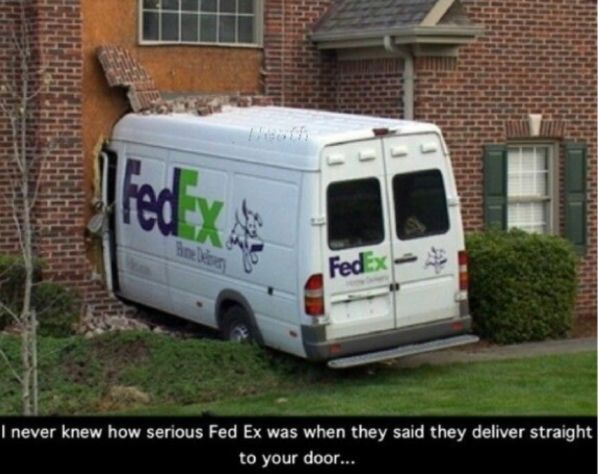
At this stage, shipping protection from a reliable partner gives you a reliable way out. Instead of chasing the carrier or turning a missing package into a miniature criminal investigation, an eligible claim gives your customers a straightforward path to resolution for loss, theft or damage.
Because let’s face it, BFCM is a breeding ground for such instances. It’s on you to decide whether your customers become another Vladimir or Estragon, waiting for help, or get a resolution before the WISMO spirals.
.jpg)



.jpg)