Someone just walked into your store grieving over his Bosch washing machine.
No drama, no warning, one Tuesday morning, the drum stopped mid-cycle yet again despite 4 previous repairs, leaving the consumer with a load of sodden towels and a marriage in crisis. They came to you looking to purchase a new one, ready to put the whole episode behind them.
And there, at the checkout, seconds after handing over his loyalty to a new machine, your salesman leans in and offers to sign a prenup on your behalf. As one Redditor reports:
"At the checkout, the retailer tried very hard to sell me a five-year extended warranty for an extra £120"
So was the salesman actually doing anything wrong? Probably not. He was just doing his job, and £120 for five years of protection is... honestly, not bad.
The problem wasn't the price. The problem was the context and the pitch timing.
The customer had just made the biggest purchase of the month. While he was still feeling the weight of his lighter wallet, someone was asking him to make another decision, one that felt like an extra expense bolted onto an already expensive day.
But as a retailer, if you wait too long, you hit the opposite wall. Once that customer walks out the door, the chance to explain the value of protection gets as hard as recovering a sock lost behind the dryer.
So, here's the question retailers are left with: Where in the customer journey can protection feel like a natural part of ownership rather than another thing to buy?
Checkout often gets painted as the pushy salesman moment, the last-second upsell nobody asked for. Yet the data shows point-of-sale attach rate for consumer electronics running 15-20%, with a well-built embedded checkout adding another 20-30% on top of that base.
And why wouldn't it perform well? The shopper already is walking toward the checkout counter, product in hand, ready to swipe their card. Even the salesperson is in earshot, ready to answer any follow-up question. By any Oxford definition, that hardly looks like the anatomy of a failed pitch.
The problem for most retailers is that checkout is the only base they're covering. Take this merchant, for example, who was looking for a way to offer an extended warranty at checkout:
“I'm trying to find some sort of app that will run a good pop-up at checkout that will give them the option to add an extended warranty”.
That makes it a case of single swing. Miss it, and the at-bat is over, with no do-overs and no follow-up. The customer leaves with the product, and the warranty conversation shrinks in the rear-view mirror.
But the cruelest part is that even if a retailer wants to give their customers the option to add warranty post-checkout, they simply can't. They may have the pitch but lack the means to deliver it because it takes a system that remembers who bought what and when. A challenge this merchant sums up perfectly:
“Right now we’re managing all our warranty stuff through a Google Form + spreadsheet and honestly it’s starting to become a bit of a nightmare. when we were doing like 5-10 orders a week it was fine, but now we’re averaging around 30 orders daily and the warranty claims / product registrations / random “is this covered?” emails are getting messy.”
That’s the tragedy. Just as the customer begins to see the value of protection after they have already spent some time with the product, most retailers have no system to pitch it back at the right moment.
That gap needs fixing. But it starts with knowing: What changes after purchase to make protection feel worth considering?
Some consumers don't feel the need to add protection, and that's down to relevance.
Relevance runs on emotion, and emotion runs on a delay. At checkout, the machine is still a promise, a shiny box with a receipt. The customer hasn't imagined it failing, and it hasn't become a dependable part of their life yet.
A warranty in that moment is an abstract idea, and abstract ideas are easy to wave off.
Fast-forward a week. The washing machine is installed and has become a dependable part of the household routine. Pair that with the cost of repairs, and you have the recipe for a perfect customer.
As one Redditor pointed out:
"I have an extended warranty on my recent purchase (Fridge), but I have learned from recent experience that appliances do not last (My Frigidaire Fridge broke 9-13 month after purchase) and then when you need repairs, it's a painful game."
That's when protection starts feeling like a reliable safety net. The customer has skin in the game now. They've felt the value of the thing, and the thought of another Tuesday with a dead drum suddenly feels very real. Fear, not logic, is what finally makes the pitch land.
The psychology is blunt: people buy protection when they can picture what they're protecting and how much protecting it on their own would cost. And that makes the post-purchase window the right moment to put the offer in front of them. If you want to know how to give your consumer a second chance to add protection, schedule a demo with SureBright.
But even for the retailer who already has the system in place to make the second coming possible, the window is very short.
Checkout isn't the last chance to talk about protection. The emailed receipt is a second door, one the customer has already chosen to walk through.
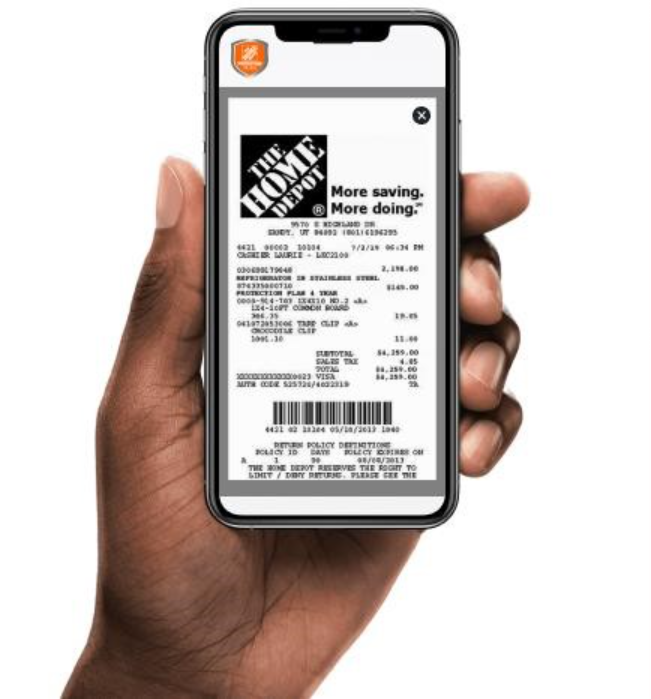
It is easy to dismiss a receipt as paperwork. But its digital version earns more attention than a conventional follow-up. In one program, normal follow-up emails achieved a 40.5% open rate and a 6.4% click rate. In the same program emailed digital receipts recorded a 65% open rate and a 10.4% click rate. And that is because the follow-up email has an awkward job. It has to persuade the consumer to reopen a decision they believe is finished.
On the other hand, consumers open digital receipts to check the model, the price, the date, or simply to keep a record. That brings the retailer back into conversation. The product is already named. The warranty does not need to announce itself as a fresh sales pitch; it can sit beside the purchase it is meant to protect.
That does not mean turning the receipt into a parade of banners, countdown clocks, or another checkout disguised as an email. It means providing a clear, restrained route to see what protection covers while the appliance, the outlay, and the reason for buying it are still easy to recall.
What happens after the click on the “Add Extended Warranty” button is where the second chance either holds or falls apart.
Customers should not have to rebuild the purchase
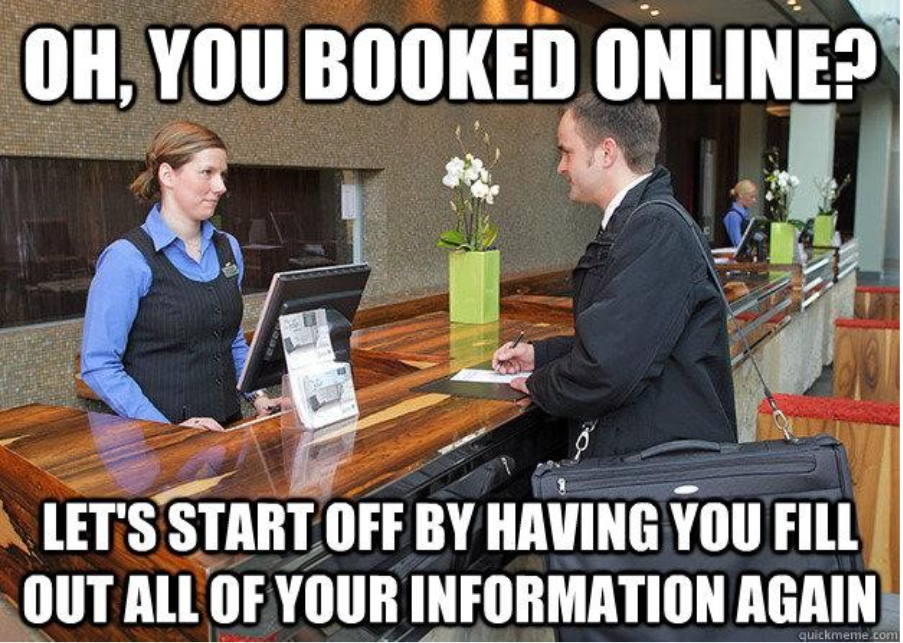
A customer who clicks from a receipt should not land on a generic warranty page and be asked to identify the product, locate an order number, choose a category, and explain what they bought. That is not a second chance. That is a small administrative punishment for having said no once.
One Redditor was made to pay for it in paperwork:
“They asked for all of my information and proof of purchase. Fine, all sent. They tell me claim was submitted. I get a text and email asking for proof of purchase again. Done. Get an email telling me they've confirmed it's under warranty, please provide my email address, mailing address, and phone number.”
The customer should arrive at a page that already knows the machine: Bosch washing machine, model, purchase date, eligible plan, price, and the last day they can add it. One click should lead to a decision; it should not send them scavenging through their inbox for proof that the retailer already has.
This is not an extravagant expectation. It is the whole point of the receipt. The retailer has the transaction in front of it. The customer has already shown interest by clicking. The only thing left is the decision.
Third-party post-purchase flows optimized on millions of transactions, like SureBright do exactly that: eligible online customers who initially decline cover receive a unique link in a follow-up email, allowing them to add a plan within 30 days without rebuilding the purchase from scratch.
That is the difference between asking for another sale and making the original sale easier to protect.
Turn a “No” at Checkout Into a “Yes” Later
Think about the Redditor from the article’s beginning who was skeptical about adding protection at checkout. In a traditional program, that's the end of the story. He walks out unprotected, and the retailer walks away from the revenue. But the "no" at checkout isn't a rejection of protection. It's a rejection of the moment. Given a week to live with the machine and room to decide, a meaningful share of those customers change their minds.
SureBright is optimized for all such second chances, not just the first offer. Its warranty platform can place protection across post-sale touchpoints including email and SMS while supporting the same program across online stores, dealer networks, and physical locations. The retailer keeps one warranty experience; the customer gets some more moments to decide without being pressurized at the register.
So give every checkout “no” a smarter next step-talk to SureBright.




.png)