

Can you guess what Apple’s most profitable product is?
No, it’s not the iPhone. Not even the MacBook.
It’s AppleCare. Surprised, right?
You’d be more surprised to know that their warranty service made Apple $10 billion within a single year.
And that’s not all, even Best Buy once reported that roughly half of its total revenue came from warranty sales.
These companies figured something out: product protection is a profit engine.
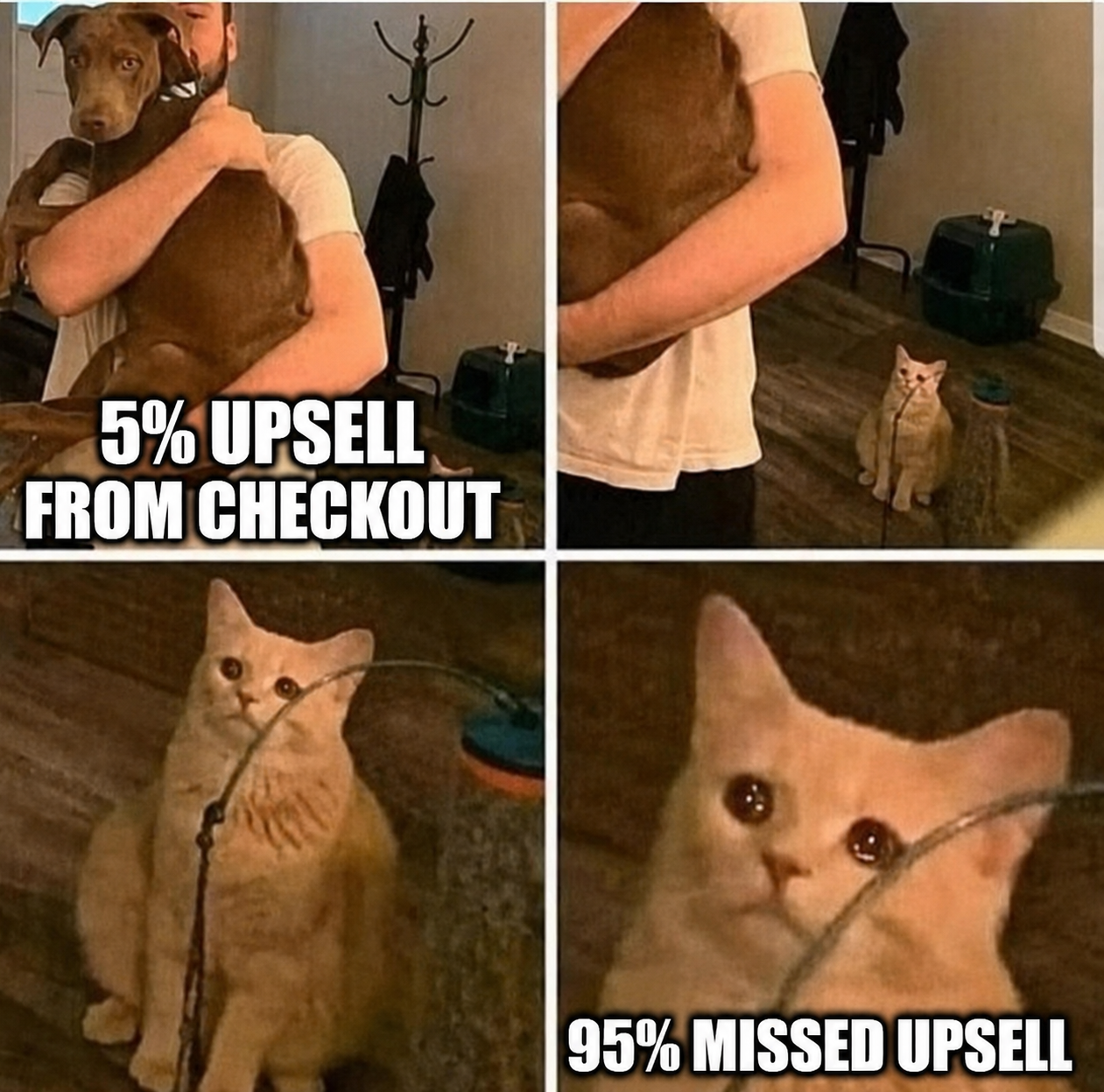
However, if you are an average retailer or merchant, chances are that your average warranty attach rate for your online store sits only between 5% and 6%. That means for every 100 orders you process, roughly 95 customers are saying no to your protection offer. That is a lot of missed revenue sitting abandoned at checkout. Meanwhile, Apple and Best Buy have turned warranties into billion-dollar profit centers. And it's not just the giants, SureBright merchants who optimize their post-purchase strategy consistently see attach rates of 20% and above. Same products, same customers, wildly different results.
The interesting thing is customers are not necessarily against warranties. As a matter of fact, around 20.2% customers opt for warranty when asked. The important thing is when you ask them.
A 2023 study actually proved this. The study found something really fascinating: consumers are actually less likely to buy a warranty after they've committed to purchasing a product. The moment someone clicks "Buy Now," their brain flips into optimism mode. They start thinking about how great the product will be, not what could go wrong with it.
This is important because most warranty offers surprisingly just pop up at checkout, right when the customer is in that optimistic, get-this-done mindset. In that mindset, a protection plan can feel less like peace of mind and more like one extra hurdle between them and their dearest order arriving at their doorstep.
So does that mean your current checkout is working against you?
Not really.
If 5–6% of your warranty attach rate is already coming from the checkout journey, offering warranties there clearly is not the problem.
The problem is not using the customer's previous journey before the checkout.
And merchants who see 20%+ attach rates don't wait until checkout to introduce protection, they start as early as the product display page, planting the seed long before the customer ever hits "Buy Now."
Despite the cart abandonment hovering around 71% in 2025 and warranty fatigue your customers are experiencing (no thanks to all those pushy salesperson), offering warranty at checkout is a winning strategy. That 5–6% is real money, and you should keep capturing it.
That being said, checkout alone has a ceiling, and you've probably already hit it. The customers who were going to say yes at checkout are already saying yes.
The other 94? They need a different moment.
If you treat the checkout page as the starting line for warranty sales, believe me, it’s not. It's the finish line. And if your customer is seeing your warranty offer for the first time at checkout, you've already lost most of the race.
The fix isn't moving the offer to after checkout. It's warming your customers up the way before they get there.
Think about how your customers shop. They land on a product page. They scroll through images, read specs, check reviews, and compare options. This is research mode... their brain is actively evaluating whether this product is worth their money. That's the exact moment a warranty offer makes the most sense.
By the time they hit checkout, the warranty isn't some surprise add-on they need to evaluate under pressure.
If the customer saw the warranty on the product page but didn't add it, the cart page is your second touch. And there's a world of difference between seeing a warranty offer for the first time at cart versus seeing it again.
You've warmed them up on the product page. Reinforced it in the cart. Presented it at checkout. Most of your warranty sales will happen through that funnel. But there will always be holdouts. There will always be customers who said no three times but change their mind after unboxing.
That's what post-purchase touchpoints are for. The checkout interstitial page (between payment and thank you), branded order tracking pages, the 30-day protection window, these target the customers who ignore the program. Think of it as the last pass through the net, not the net itself.
When you are showing the warranty on your order tracking page and tracking emails, why not take an extra step and show the warranty wherever the product is visible? An example of this is how most merchants send the post-purchase traffic to a generic carrier page where the customer leaves their brand entirely.
Instead, build a branded tracking page and surface a warranty offer right there.
The same logic applies to the account dashboard. Add a subtle "unprotected" indicator next to products that don't have warranty coverage... something as simple as a greyed-out shield icon versus a green one or even a flag. This can be a subtle visual cue that creates awareness every time the customer logs in.
A generic “Add protection for $X” pitch performs about half as well as messaging tailored to the actual product category. And honestly, that makes perfect sense.
Someone buying a $1,200 laptop is worried about spills, drops, and expensive repair bills. Someone buying a $300 patio chair is probably thinking about weather damage, fading, or whether it will survive one enthusiastic barbecue season.
Different products trigger different anxieties. So instead of selling “coverage,” speak directly to the problem already living rent-free in your customer’s head. Here’s what that looks like in practice:
Before you start rolling out all these changes, one thing matters more than most merchants realize: having the right warranty partner behind the scenes.
A good provider does not just plug a protection plan into your checkout and disappear. They help you launch faster, optimize the customer experience, and handle the operational chaos that usually comes with warranties like claims processing, risk assessment, approvals, customer support, and everything in between.
And yes, this is exactly what SureBright is built for.
SureBright helps merchants launch post-purchase warranty flows in minutes, not months. Whether you want to offer protection at checkout, after checkout, on tracking pages, or throughout the customer journey, we give you the tools to do it without the operational headache.
So, build a better post-purchase game – schedule a demo and connect with our experts today.
.jpg)


M Khizar is a writer enjoys making complicated things feel simple. He writes about warranties, ecommerce, and the small details people usually overlook, until they matter. His work focuses on clarity and helping readers make smarter decisions without overthinking it. Outside of work, he enjoys reading, writing personal blogs, and binge eating with friends.


.jpg)