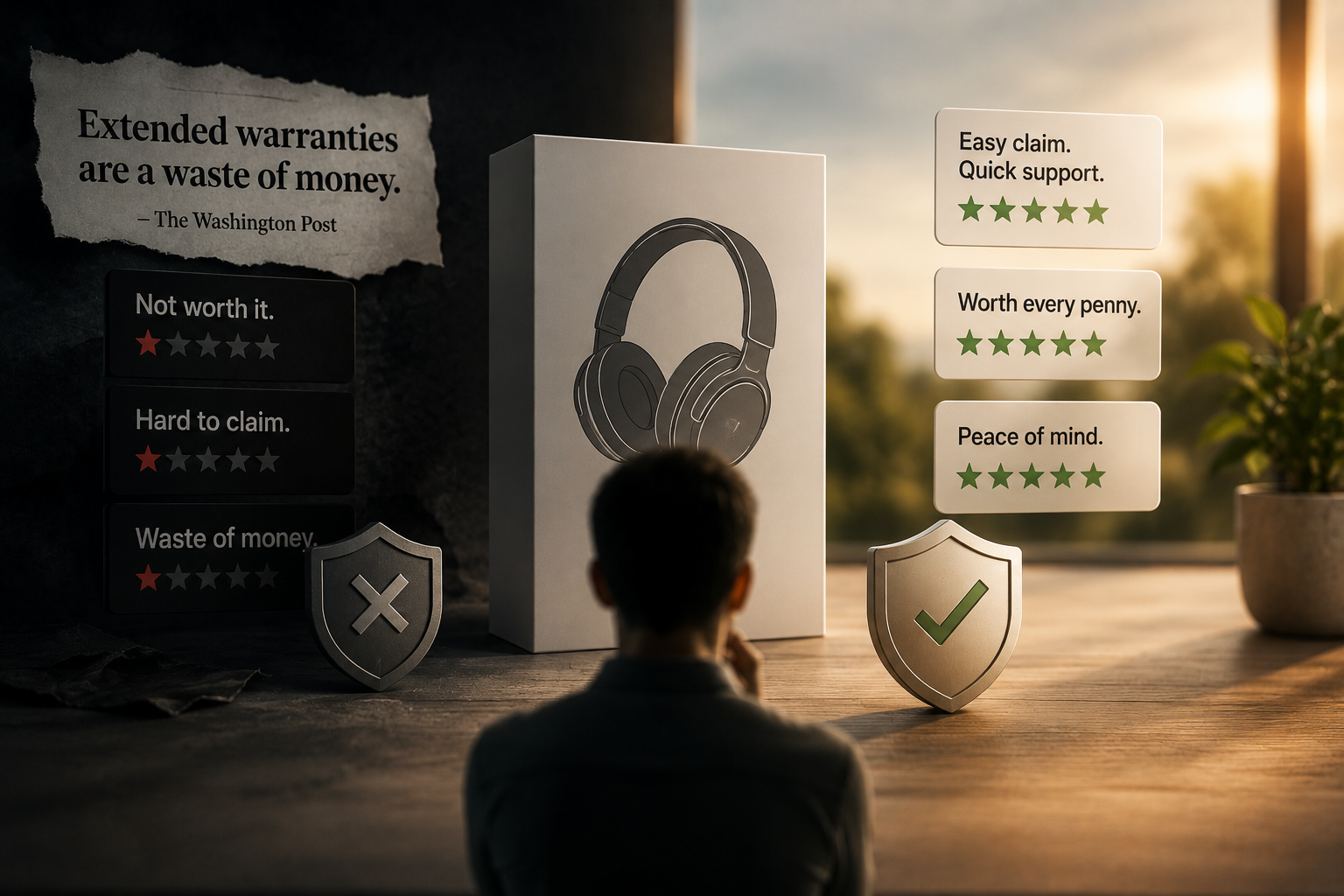


When a pair of Bluetooth headphones breaks, a customer is mildly annoyed, for a short while. But when a hearing aid stops working, a patient is instantly isolated from their family, vulnerable in public, cut off from daily life, and left asking to repeat a question for the fourth time.
Yet, after three years of building trust and delivering exceptional clinical care, hundreds of hearing care practices hand their most loyal patients a jarring ultimatum- to pay for new HAs or continue living a life with lesser symphonies. No wonder many patients choose the third option – walking out the door. Here is how it looks from the patient’s side of the desk, as told by a Redditor:
"This month I was informed that my 3 year warranty on my hearing aids has run out and that I must now pay $700 a year for service beyond the warranty. I have also used the same audiologist all these years. Is this normal? I am thinking I am better off just putting that money into new hearing aids. Should I look for a new audiologist?"
That last sentence ought to keep any practice owner or medical device merchant up at night. You are about to have a decade-long patient... the exact high-lifetime-value customer every business dreams of having, switch to your competitor. Why? Just because a clumsy, transactional $700 post-warranty quote after 37 months completely wiped out ten years of goodwill.
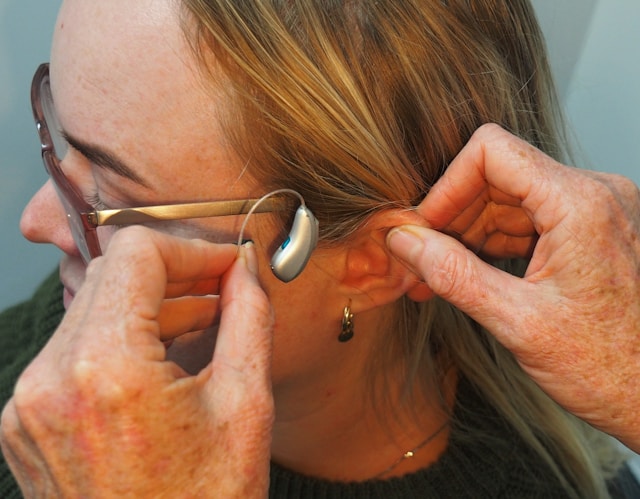
Which raises a question worth asking: when their standard hearing aid warranty ends, what exactly is left holding the customer in place?
We've got just the answer.
Good question. Three years of nothing, then a bill... an extravangant one. That's the crux – and that also changes the entire nature of your customer relationship overnight. Here are the main reasons why:
Everything above would be true of a laptop. What makes hearing aids different is what happens next:
If you want a single data point that captures how differently patients experience this category, look at the FDA's MAUDE database, which collects reports of medical device problems. A retrospective study of OTC hearing aid reports found that 6 of the 30 reports, a full 20%, weren't about the device at all. They were about poor customer service.
That's how memorable a bad service experience is, and that's what you are offering them when their standard hearing aid warranty ends.
In retail e-commerce, a 14-day Service Level Agreement (SLA) for a warranty repair is considered elite. Logistics teams celebrate a two-week turnaround time for fixing a gaming console or a digital camera.
In the medical device world, a 14-day repair window is a clinical failure.
And these timelines are unbelievably real. Clinics routinely quote one to three weeks for repairs routed through the manufacturer. One practice even estimates 10 to 14 business days because most manufacturers sit on the east coast, which in calendar terms is closer to three weeks. Mail-in labs quote about two weeks door to door.
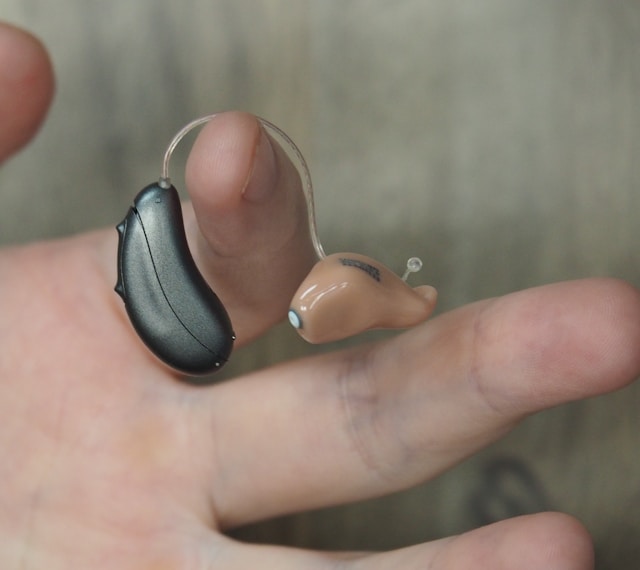
That means two weeks of your patient sitting quietly at dinner tables, missing pharmacy instructions, avoiding the phone, and slowly deciding that maybe thinking that same old question: " Should I look for a new audiologist?"
Here is the underlying issue with standard manufacturer warranties: they cover manufacturing defects that rarely happen after a single year, while excluding the real-world environmental hazards that affect hardware daily.
A hearing aid operates in a harsh, humid environment for 16 hours a day. While patients naturally understand that consumable items like disposable batteries, wax guards, and silicone domes need regular replacement as part of routine hygiene care, they expect the core hardware to withstand everyday life.
Yet, traditional post-manufacturer breakdown plans often draw rigid lines:
All you need to do is make these five changes:
Make sure to offer extended warranty.
See it this way- losing a loyal, multi-year patient over a rigid, unexpected post-warranty bill is a risk no hearing care merchant needs to take. But protecting your patient relationships doesn't mean pushing high-pressure sales scripts. All you need to do is simply offer clear, flexible protection tailored to medical hardware.
That is where SureBright comes in.
SureBright helps hearing aid merchants and audiologists implement transparent, embedded protection programs that build long-term trust. We offer post-manufacturer breakdown protection alongside dedicated Accidental Damage from Handling (ADH) plans to cover real-world drops, liquid spills, and moisture damage.
So, see for yourself how that affects your customer satisfaction. Book a demo today.
.jpg)


M Khizar is a writer enjoys making complicated things feel simple. He writes about warranties, ecommerce, and the small details people usually overlook, until they matter. His work focuses on clarity and helping readers make smarter decisions without overthinking it. Outside of work, he enjoys reading, writing personal blogs, and binge eating with friends.