

Do Warranties Enhance or Devalue Your Brand?
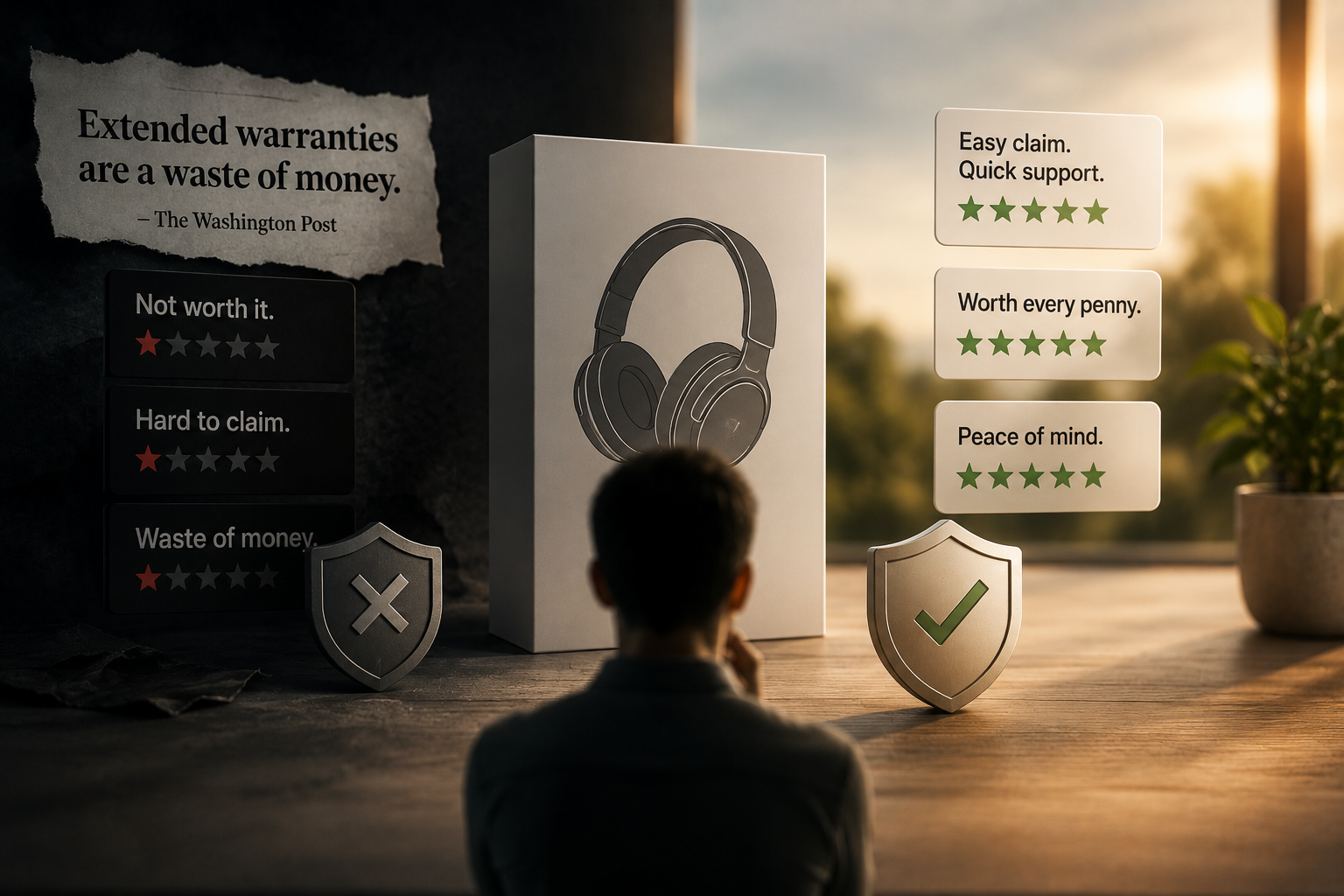
“Extended warranties are a waste of money.”
When The Washington Post ran that headline, it didn't start a new debate. It put words to something millions of shoppers had believed for years.
Which makes the next part rather puzzling.
If extended warranties really erode customer trust, why do brands keep offering them? Why do retailers keep investing in protection programs? And why has the global extended warranty market continued to grow instead of disappearing in thin air?
The global extended warranty market touched $159.38 billion in 2025 and is expected to surge to $240.78 billion by 2030. Consumer electronics is riding this wave with an 8.5% CAGR, proving that customers are not just buying devices; they are buying “peace of mind.”
The real question, then, is not whether extended warranties matter. It is how some brands like Apple and Sennheiser get it right, while others can’t.
Because customers rarely judge a protection plan in isolation. They judge how it relates to the overall brand experience. The question becomes- does your warranty offer feel like another sales tactic, or does it reassure customers that the relationship won't end the moment the payment goes through?
For merchants, that's a distinction that decides whether you earn high-margin revenue-share or see your brand value depreciate.
A warranty doesn't automatically strengthen a brand, nor does it weaken one. The difference lies in how the protection is designed, managed, and delivered when it reaches your customers.
From add-on to ownership experience
So, why do most consumers mistrust warranties?
Hint-it's not because of the warranty plan, but because of the way it is introduced.
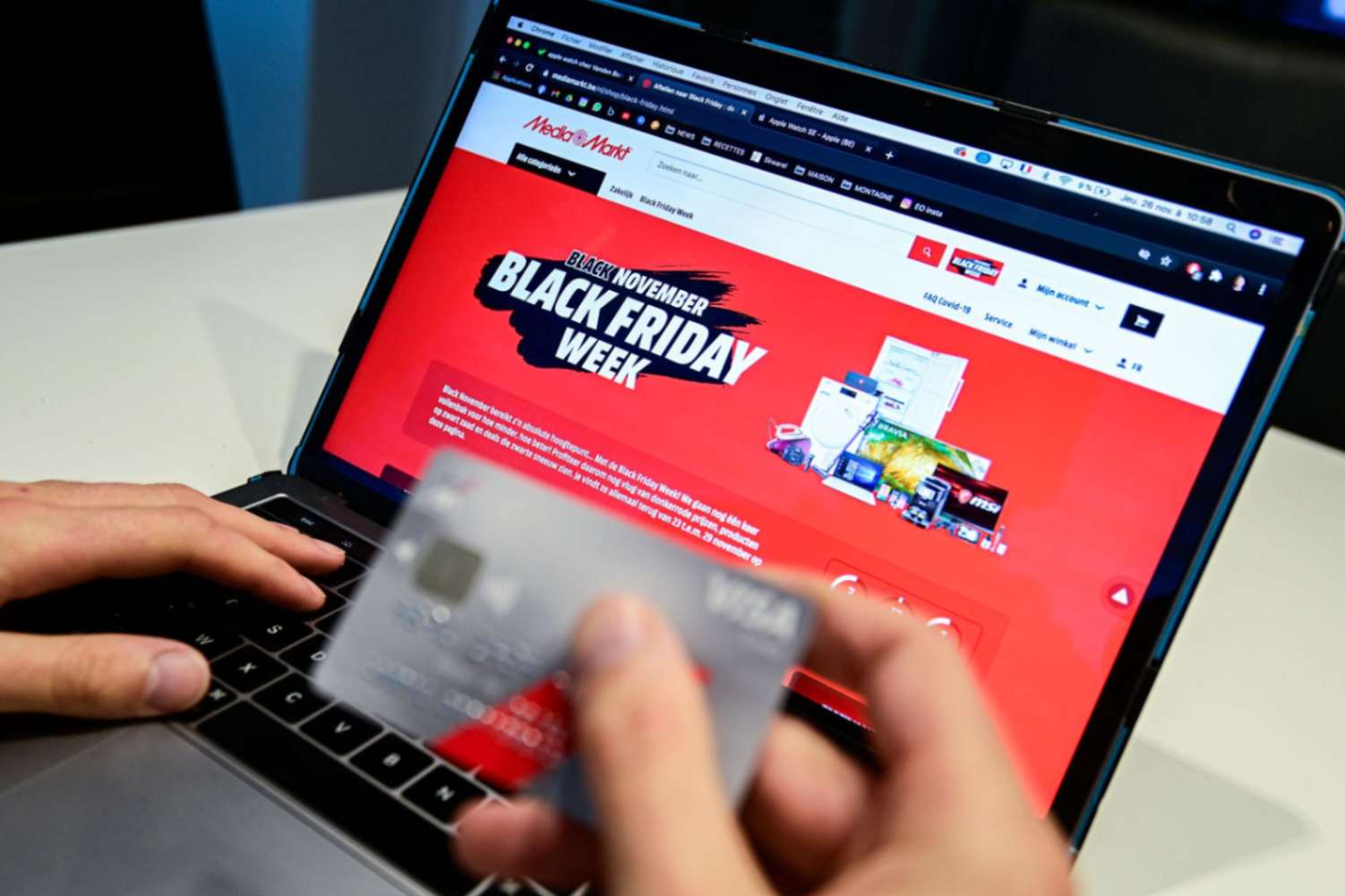
For years, extended warranties have appeared during the final few seconds before payment. Just as customers are ready to click "Place Order," another question appears.
"Would you like to add an extended warranty?"
It may seem like a small detail. But this was just merchants copying the offline business model when they made the transition online. Offline, the customer interacts with your staff mostly just at the checkout, online- there are multiple touchpoints to influence buyer behavior- product pages, support chat, checkout, post-checkout experience, and more.
By the end of 2025, US consumer sentiment had fallen to its lowest level in nearly 50 years, making households far more cautious about discretionary spending. Every additional dollar now demands a stronger justification. An unexpected warranty offer, no matter how valuable, if not positioned correctly, feels skippable.
A Reddit story reported by 24/7 Wall St. captured that scepticism perfectly. A couple cancelled a $3,300 extended warranty on their newly purchased Subaru Forester just four days after signing the paperwork.
Their reasoning was quite simple. They would rather keep the money aside for future repairs than commit to a protection plan they felt had been pushed on them. That too when their powertrain is already protected by the manufacturer's warranty at no extra cost.
That's the perception merchants are competing against.
However, studies suggest that warranty uptake is higher when the option is given earlier in the journey, as the possibility of something going wrong is fresh in shoppers' minds.
Therefore, brands who have made warranties part of the ownership experience see much higher success. Because by the time customer reaches the checkout, they have already started thinking about the product’s life after the sale.
But that’s about when to introduce warranties. But there are some important questions to be addressed.
What makes a protection programme brand-enhancing?
A manufacturer's warranty covers defects. But a product’s life doesn't stop at defects.
A survey shows that one in five consumers who purchased an electronic device or major home appliance reported experiencing a problem within the first 12 months of ownership.
What this tells us is that customers are already worried about the lifespan of their products. That's where the SureBright warranty programme creates real value for merchants. But how? It doesn’t just protect the product; it reduces concerns about the product's lifespan.
Instead of leaving customers to navigate unexpected repair costs, it provides coverage that works for both online and offline purchases across all major brands. That reassurance removes the hesitation customers feel before committing to purchases, especially when 29% of Gen Z and Millennials and 29% of parents believe that $100 or less is a reasonable threshold for purchasing a warranty plan.
And when customers feel secure about their purchases, merchants see the benefits on their balance sheets.
SureBright's consumer electronics case study found that merchants offering structured product protection increased average profits by 18.4%, achieved attach rates of 28.2%, and lifted average order value by 15%. Those results weren't driven by pushing more protection plans. They came from giving customers greater confidence to complete their purchases.

But winning a sale is only half the story. The real test begins when a customer files a claim.
How claims make or break customer trust
Every protection plan is a promise made to the customer. And when the brand or the retailer fails to back its promise, frustration and one star reviews follow.
A Redditor perfectly captures this frustration of millions of consumers who felt cheated. After a pair of headphones failed within the advertised warranty period, the Redditor tried filing a claim.
“I dug out my receipt went to file a claim on their website, only to be met with: "if you don't see your product here, it is no longer eligible for warranty."
They knew damn well people's corded headphones break + the "1 year warranty" would draw customers. How is that even legal to completely scam people like this?”
Another customer who bought a Nothing smartphone through Best Buy after being redirected from Nothing's official website ran into a warranty dead end. Best Buy said it had no RMA programme for Nothing devices, while Nothing refused support because the phone wasn't purchased directly from its own website, leaving the customer caught in the middle.
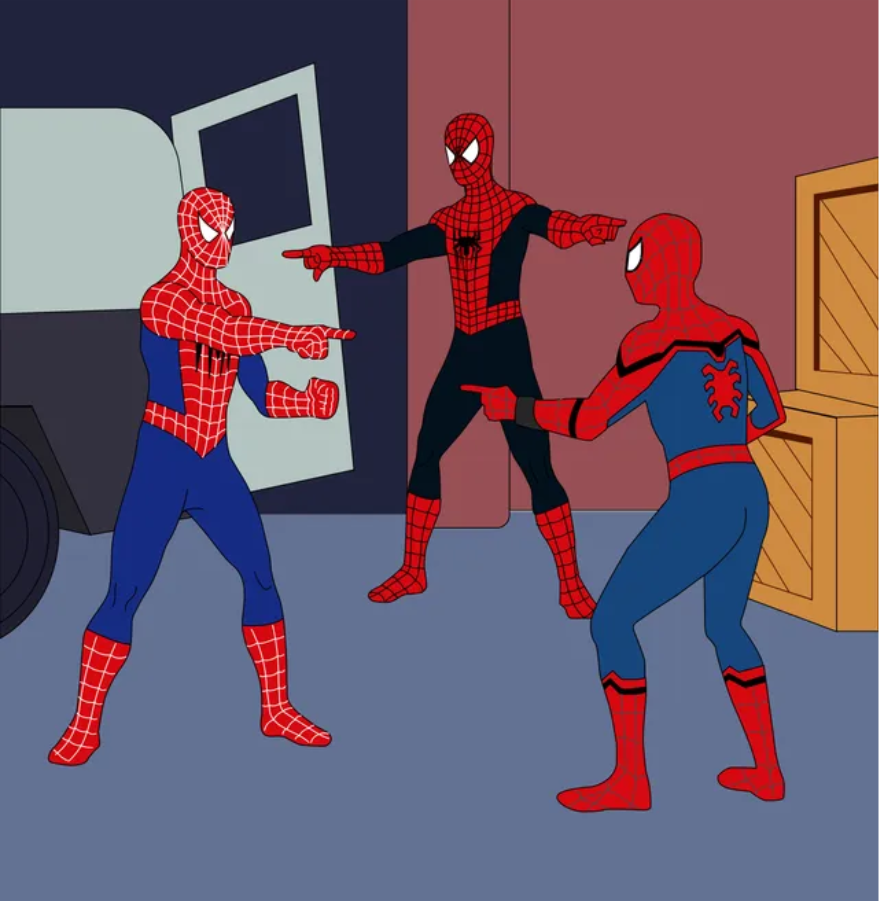
It only takes a handful of negative reviews to make customers think twice about buying the product or trusting the brand behind it.
And that's the real risk.
That's why choosing the right protection partner matters just as much as choosing the right protection plan.
Choosing the right protection partner
The strongest warranty partner doesn't simply underwrite coverage. They protect the customer experience.
That means making every claim fast, transparent, and easy to navigate. Customers can file a claim online in under two minutes, receive their warranty documents instantly after purchase, and track every stage of their claim through a 24/7 portal.
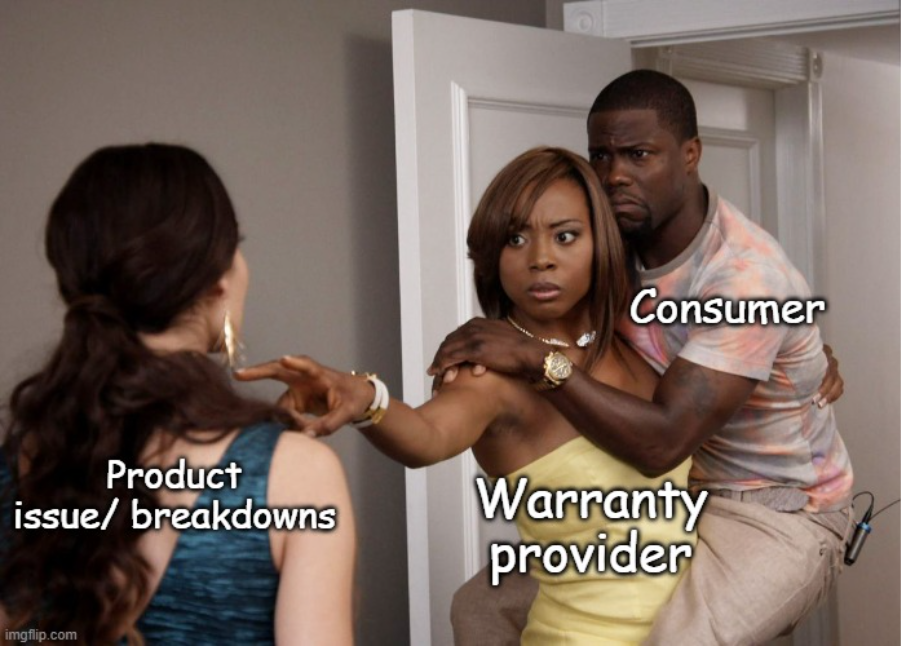
That's for the customers. The merchant experience should be just as effortless.
The strongest programmes remove the operational burden entirely. Claims, customer support, regulatory compliance, repairs, replacements, and financial risk are managed behind the scenes, allowing merchants to focus on selling instead of administering protection plans.
SureBright follows that philosophy through a completely hands off programme with zero upfront cost. Merchants keep the revenue share while SureBright manages everything from onboarding to claims, with AI-powered setup in as little as 10 minutes. Most ecommerce businesses can go live within two business days.
The result is a warranty experience that helps businesses grow while giving customers another reason to stay loyal.
That brings us back to the question we started with.
Can extended warranties enhance brand value and trust?
The answer is yes, but only when it feels like a continuation of the customer experience, not the end of the sales process.
Today's shoppers don't reward brands for simply offering protection. They reward brands that make ownership easier when things go wrong. For merchants, that makes product protection more than an additional revenue stream. It becomes a way to reduce purchase hesitation, encourage repeat business and differentiate in increasingly competitive markets.
The real advantage, then, isn't the warranty itself. It's the experience behind it. With the right protection partner, merchants can offer seamless coverage, remove claim complexity and stand behind every product with confidence.
Because long after customers forget what they paid, they remember one thing. And that is whether the brand stood behind its promise or not.


Pushpender enjoys exploring the stories behind everyday decisions. He writes about warranties, ecommerce, and the psychology of buying. He draws on internet research, lively conversations, and a curiosity for the details most people overlook. With a background in English Literature, he believes good writing isn't measured by how complex it sounds, but by how effortlessly it helps someone understand a complex idea. Outside of work, you'll usually find him reading fiction and history, striking up conversations with people from different walks of life, or jotting down ideas inspired by both.