

It's 2015. You've just launched your store. Meta ads are cheap, I mean we're talking $0.50 CPMs cheap. You pick a product, write a halfway decent ad, and the sales just come. There are no attribution headaches or creative fatigue cycles. No need for revenue diversification. You are practically using the best ecommerce business model there is. So, you scale and reinvest, and it works. And you think:
Fast forward to right now.
Meta CPMs have risen 15-40% just in March 2026. Your median ROAS, if you're being honest with yourself, is somewhere around 2.04, which is dangerously close to break-even once you back out COGS, shipping, and overhead.
Meanwhile, Amazon sneaked in an added $0.08 per FBA unit in January 2026. Doesn't sound like much until you're moving 2,000 units a month and you do the math. Tariffs on Chinese imports are sitting at 10–145% depending on your category. And if you're still selling on Amazon, their DD+7 payment policy is currently holding anywhere between $23,000 and $33,000 of your own money hostage, on a $100K/month store because... just because they can.
Well, none of this is actually new. This is the same pattern that played out with iOS 14 in 2021, when retargeting audiences evaporated and CPAs doubled for stores that had never bothered to build an email list.
Same pattern as the 2021 shipping crisis, when merchants who'd never diversified their supplier base got caught with empty shelves and full ad spend. Every few years, the infrastructure that everyone built their business on top of, shifts and the merchants who treated third-party platforms as the business instead of a channel for the business take the brutal punch to the face.
So, should you believe that the next disruption is coming? If yes, can your revenue model survive it when it does?
Let’s find out.
Let's me make something concrete first.
Your revenue right now probably heavily relies on three things:
The problem is you don't actually own any of them.
Paid traffic disappears the moment you stop paying. That's something like a subscription to someone else's audience. Your Amazon ranking exists because Amazon's algorithm decided you deserved it today. Tomorrow is a different story.
And what about your product margin? In 2026 alone, five cost pressures hit simultaneously - tariffs, FBA fee hikes, the DD+7 cash lockup, rising ad CPCs, and climbing return rates, turning already thin margins into change you find between your couch.
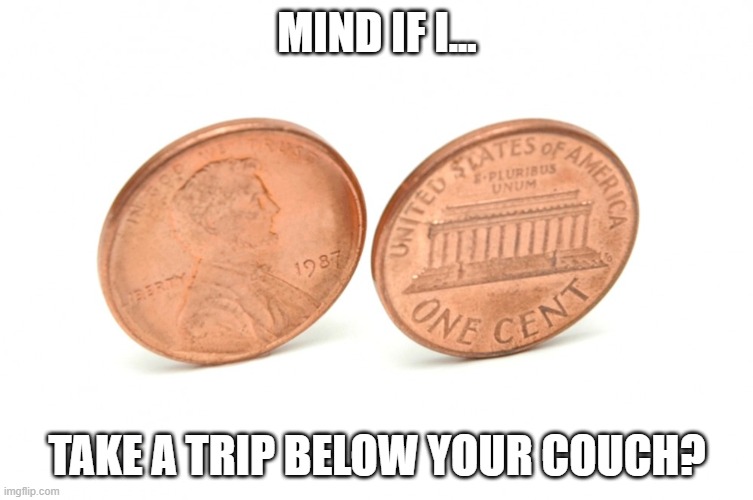
This isn't a risk you can hedge by just selling on more platforms. Adding TikTok Shop next to your Amazon store is still renting, you've just added one more landlord now. Real revenue diversification means building revenue lines that don't require a platform's cooperation to function.
The best ecommerce business model is the one that keeps making money even when your Meta account, your Amazon marketplace profile, or your supplier all stop doing what they were supposed to do. Though it might look difficult on the surface, but companies have been able to do it, i.e., change their status from a simple business to a brand. And it all starts asking a few questions, including...
Most merchants live almost entirely on the rented end. Here's what the owned end actually looks like:
Your list is yours. Email returns between $36 and $42 for every dollar spent and repeat customers' drive 44% of total revenue while making up just 21% of your customer base.
You've probably seen the evidence yourself. An abandoned cart email rescues a sale. A post-purchase flow increases average order value. A win-back campaign wakes up dormant customers. A VIP launch email turns subscribers into buyers.
Funny enough, some of the highest-margin revenue in ecommerce comes from people you've already paid to acquire. It's all about timely reminding them about their affinity to you.
For a smooth revenue diversification, the SMS follow Same ownership logic as email but with higher urgency. Most businesses using SMS report it accounts for 21 to 30% of their online revenue at an average ROI of $71 per dollar spent.
You can send flash sale alerts, restock notifications, shipping updates, loyalty reward reminders, and watch orders roll in. The highlight is customers actually want many of these messages.
Use it for something useful, and customers pay attention. But use it like a megaphone for every promotion, and they'll find the unsubscribe button surprisingly quickly.
This one does not generate revenue by itself, but it powers everything above it. Purchase history, browsing behavior, product preferences, and order frequency collected from your own storefront belong to you. In 2025, 92% of DTC brands said first-party data would play the most significant role in their marketing going forward. Well, is that true? I guess we are still in the process of finding out.
Most merchants don't think of checkout as a marketing channel.
They should.
It's the one moment in ecommerce where you have a customer's full attention and a credit card already in hand. Yet most stores use checkout for exactly one thing: taking payment and saying goodbye.
With this line of thought, a warranty or protection plan offer can generate additional revenue without sourcing another product, running another ad, or shipping another box. The customer is already buying. You're simply offering extra peace of mind alongside the purchase.
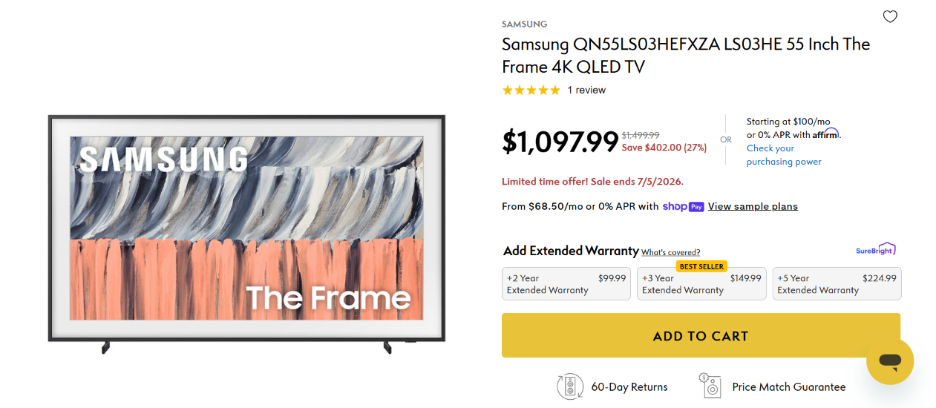
The same goes for things like order protection and shipping coverage. They're added inside a transaction you've already paid to acquire, which is why they can be surprisingly profitable as opt-in rates can climb to 20.2%, offering gross profit margin increase as high as 16%.
Harder to build, but the most durable of all owned marketing channels. A private community, whether that is a Slack group, a Discord server, or a brand forum you host, gives you a direct line to your most engaged customers without any platform intermediary controlling reach.
The oldest and most cited example here is Harley Davidson. Harley built a paid membership community around the lifestyle, not the product. Members get access to events, exclusive content, and a network of other riders. It predates the internet and still runs today. The brand does not need to advertise to its most loyal customers or beyond, the community does it for them, proudly.
Fair question. If owned channels are so obviously better, why are most merchants still running most of their revenue through paid acquisition?
Well, paid ads give you immediate, legible feedback. You spend $1,000, you see what came back.
Building owned marketing channels and creating revenue diversification, meanwhile, feels like planting a tree. For weeks, it looks like you've accomplished absolutely nothing. Then one day you're sitting in the shade wondering why you didn't start sooner.
Unfortunately, ecommerce founders are no different : when given a choice between planting a tree and pressing a button that makes revenue appear immediately, most of us press the button. Repeatedly. Until the button starts charging more for the privilege. Guess what, most of us still keep pressing the button.
Not much, three moves in this order:
You can't control tariffs. You can't control Meta's auction. You can't control what Amazon decides to charge for fulfillment next January. But you can control what you build inside the relationship you already have with your customers, and right now, most merchants are barely touching that.
One area that's getting more attention, in this case, is post-purchase protection. Instead of relying entirely on new customer acquisition, some brands are using product protection programs to create an additional revenue stream while giving customers another reason to buy with confidence. The operational side doesn't have to be complicated either, especially when claims handling and underwriting are managed by a dedicated provider.
That’s where SureBright comes in. We manage the claims and pay you a margin on every protection plan sold at your checkout. You just turn it on. Plus, all it takes is a few minutes to get the integration done.
If you're curious how that model works in practice, it's worth taking a look.
.jpg)


M Khizar is a writer enjoys making complicated things feel simple. He writes about warranties, ecommerce, and the small details people usually overlook, until they matter. His work focuses on clarity and helping readers make smarter decisions without overthinking it. Outside of work, he enjoys reading, writing personal blogs, and binge eating with friends.