

In my childhood friend's house, there was a white sofa nobody was allowed to sit on. It always stayed inside the storeroom covered with a transparent polythene that would only be removed on special occasions. Sadly, these occasions were rare to come by, so the sofa would sit there day in and day out wearing its polythene uniform.
I knew nobody bought that plastic for the look of it. It was a hedge, placed there by someone who had spent big money on something delicate and then spent the next decade frightened of it.
It’s easy to file this as a trait of the boomer generation - but the data disagrees. When 1,001 American adults took part in a survey about furniture damage, 38% admitted to throwing towels or sheets over their furniture and 29% were still using slipcovers and plastic covers.
Now here’s where it becomes your problem. That same survey found 36% of people avoided buying high-priced furniture out of fear it could get damaged. But guess what? No matter how impractical that sounds, the customer is reading the risk correctly.
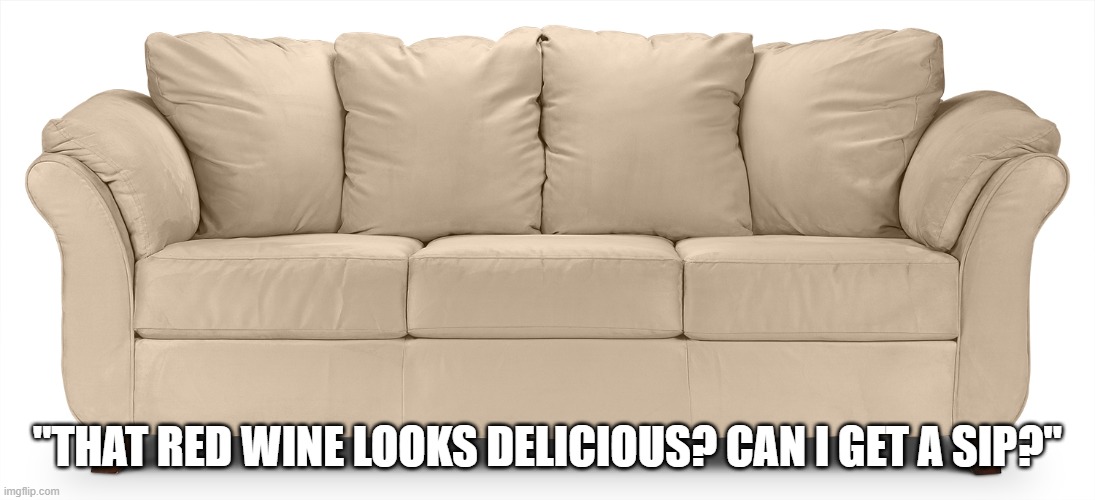
Out of all the accidents in that survey, 61% happened within the first two years of ownership, and 17% landed inside the first six months. Spills and stains accounted for 55% of it, with sofas and loveseats the most frequently wrecked pieces at 40%.
So no wonder people hedge - for the same reason the family of my childhood friend also hedged. But their caution isn't the problem you need to solve. You don’t need to convince shoppers that nothing will go wrong. What you need to do is to show them that even if it does, they’re protected.
But before we get into that, let's understand the problem completely.
Let's do a fun little activity. We are going to put La-Z-Boy warranty page into the microscope.
Yes, the limited lifetime coverage on frames, springs, and reclining mechanisms looks genuinely good. But that's not what we are here for. If you read their limitations, you'll find something odd. In their own words: La-Z-Boy pays customary rates for labor during the labor warranty period, and you are responsible for labor costs after that period. And not to forget - the labor window is one year.
So the mechanism is covered for life. The person who installs the mechanism is covered for twelve months.
Let's see Rowe's furniture warranty now. The brand covers recliner motors for three years on parts and one year on labor. Even Ashley's own warranty page states that after one year, the power foundation mechanism and electrical component coverage applies to replacement parts only. Craftmaster gives motors three years and electrical components one year.
And just like that... you finished your minor in furniture warranties - might as well add “furniture warranty lawyer” to your LinkedIn.
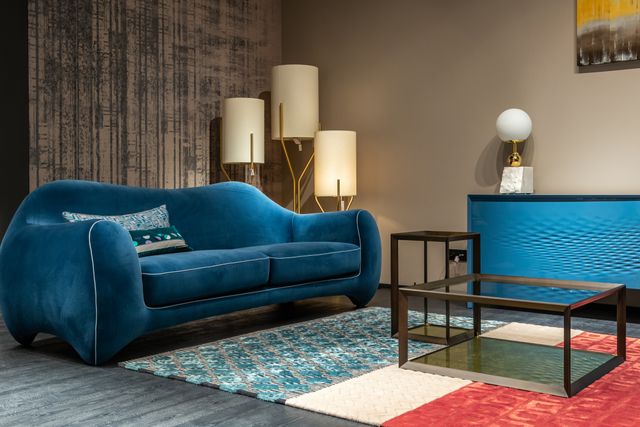
Now let's put that next to how furniture actually breaks. In a power recliner, the pull cable typically goes first at five to eight years and the motor at five to ten, and most failures turn out to be electrical or cable-related rather than a dead motor.
So after 3 years when the recliner stops reclining or the rocker is no longer rocking - your customer calls you, not the manufacturer, because you're the one they gave money to. You direct them where to file the claim, they do the paperwork, the technician comes and quotes $75 to $150 or more. That’s a lot of money for products that usually make heirlooms. So the customer flips out. That's just what happened with this shopper:
"...the repair person came out and said the spring clips had broken and some other boards had come apart and that Levin [Furniture] would call me back with an estimate. Laura called us back a few days later and said that the cost would be $100 and to let her know what we would like to do. I called back and left her a message that I was feeling like I was mislead with the warranty."
That means your customer does not think "my labor coverage lapsed." They think this store sold them junk, and they say so out loud to everyone who points out their sofa is broken.
That's the stench the 36% are smelling before they buy. They've heard some version of that story, and maybe the same person who decided to hedge the sofa in my friend's house heard it too.
And here's how that plays out across three names your customers already know:
Notice that all three are structured the same way underneath. Long on parts, short on labor, silent on accidents.
There are 3 different solutions and each of them get the job done in their own way. Merchants tend to treat them as interchangeable, which is why programs underperform.
The difference between all three is that while two help you improve your bottom line, the last one adds to your expense. That means the smart choice would mean...
Remember here: you're choosing who your customer deals with when their sofa breaks. That makes it a vendor decision worth taking seriously. Here are five questions you should ask before signing anything:
The customer who bought the cheaper sectional never complained, never churned, and never told you why. They just decided your best product was too risky to own, and you booked the sale and moved on. Fix the coverage story on the product page and you stop paying that tax on every premium SKU in your catalog.
If you want to see what labor-inclusive coverage looks like on your own catalog, you always have SureBright. We offer extended and accidental furniture warranty plans that integrate seamlessly into your checkout journey. We handle the claims swiftly, offer coverage against pet and child damage, and save you all the headache that comes with selling product protection.
And most importantly, our plans offer coverage for parts and labor along with wear and tear so that you can save your business from any bad reviews.
Interested? Book a demo with SureBright right now.
.jpg)


M Khizar is a writer enjoys making complicated things feel simple. He writes about warranties, ecommerce, and the small details people usually overlook, until they matter. His work focuses on clarity and helping readers make smarter decisions without overthinking it. Outside of work, he enjoys reading, writing personal blogs, and binge eating with friends.


.jpg)