

Tl;dr – A restocking fee is the amount you deduct from a customer's refund to cover what a return actually costs you. Get it wrong and you'll lose sales along with customer trust plus you'll end up handing shoppers a reason to call their bank and file a chargeback.
Things have started to become really bizarre for retailers during Super Bowl season.
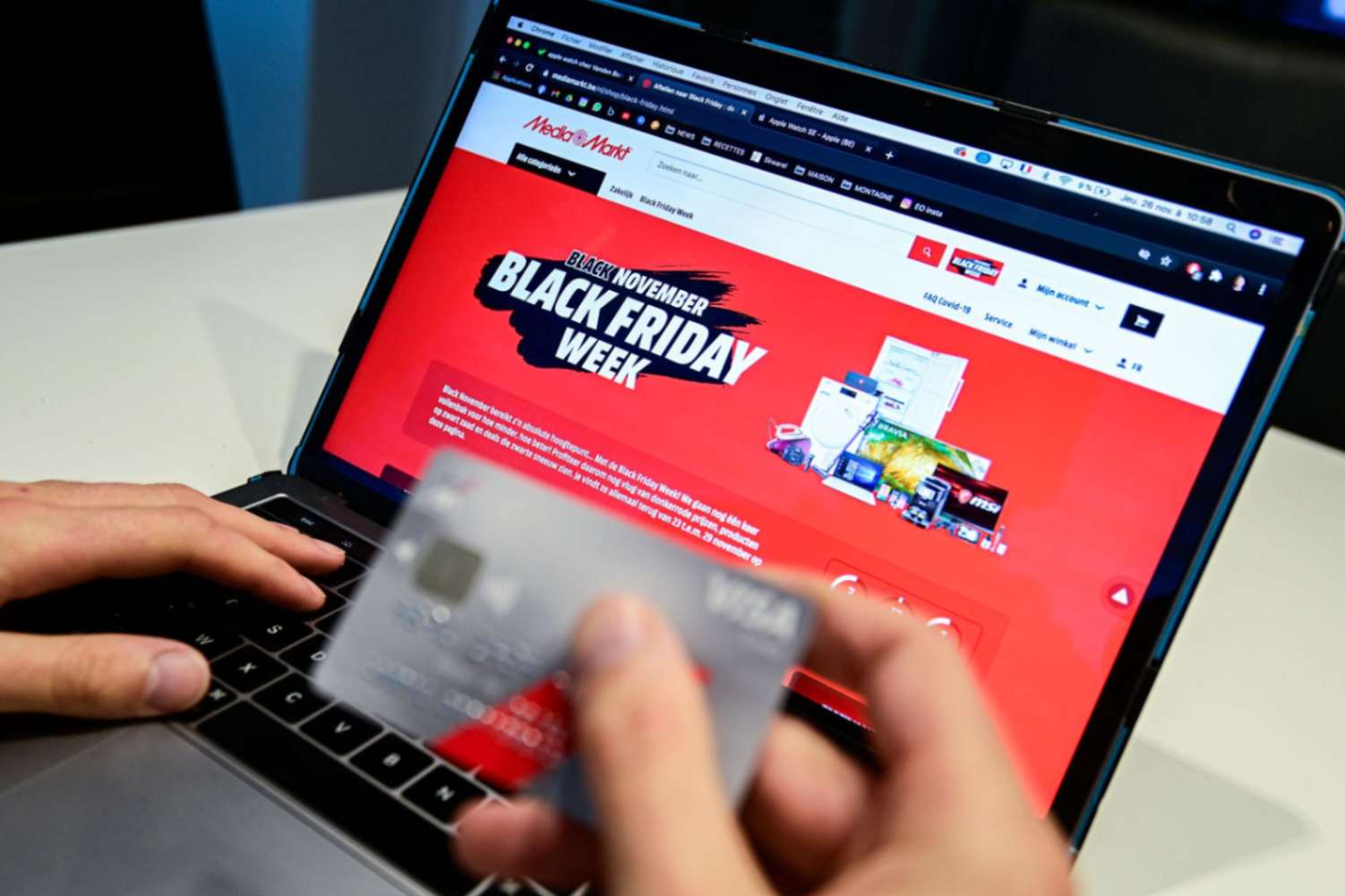
There is a small tradition around it now that has nothing to do with touchdowns, nachos, or star-studded half-times. And the weirdest part is it involves a TV... more specifically, buying a really nice and big TV, watching the Super Bowl on it, and then returning it.
Retailers named this move wardrobing because borrowing-stuff-from-the-store-for-free-and-pretending-it-was-a-purchase syndrome was probably too obvious. And due to this, retailers see a climb of 11% - 36% increase in TV return rates after the Super Bowl in March.
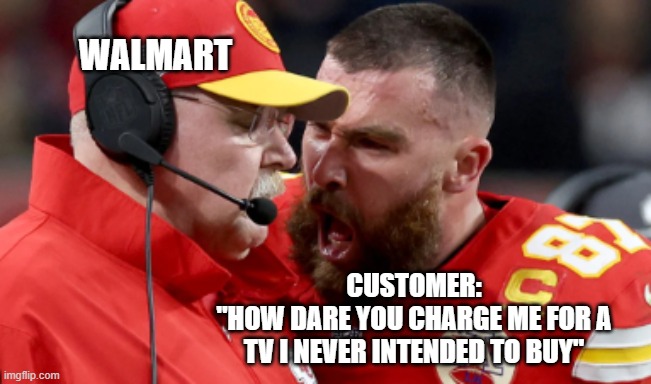
But retailers aren't the only ones noticing this. A marketing professor saw this pattern in his study and called out to the sellers. His advice was blunt:
"...tighten their return policies because a liberal return policy is costing them thousands of dollars. Selling TVs during that time of the year isn't the same as selling a pair of pants."
Of course, the obvious fix would be to stop accepting returns altogether. Good luck with that. 76% of shoppers say free returns decide where they shop, which means a "no returns" sign is basically a "please shop elsewhere" sign in a face mask.
Which raises a more interesting question: what if retailers didn't have to simply eat the cost of every return?
That's exactly what a restocking fee is supposed to settle. Since returns aren't really free for you (there's shipping cost, repackaging cost, labor for inspection, etc.) and the risk of getting a lowered price on the 2nd sale is always there, the restocking fees help you bear some of that cost.
But should you slap this fee on every return and risk scaring off the honest shopper who simply wants a safety net? Or should you just eat the cost, sprinkle it with a little salt, and call it the price of doing business?

In this guide we'll discuss all that. We'll cover the restocking fee meaning, the math behind a fee that's competitive, what brands like Amazon and Best Buy charge, and the mistakes that turn a fair fee into a chargeback.
It is the amount a merchant keeps from a customer's refund when a returned product needs to be inspected, repackaged, or sold at a discount before anyone else will buy it. That's the restocking fee meaning in one breath.
You can think of it like a library asking for a security deposit. You can borrow the book and bring it back, but the library still needs a little protection against the possibility that it comes back with a coffee stain, a missing page, or with illustrations by your kids.
Most retailers charge it as a percentage of the price, though some prefer a flat dollar amount.
But in any industry, restocking fee percentages get decided with all the scientific rigor of picking a restaurant - someone glances at a competitor's return policy, sees 15%, copies it and calls it a day.

But there's a better approach (which will also save you a lot of pain later). It's to add up what a return really costs you and charge something close to that number. Here's the formula for it:
Restocking fee = return shipping you absorb + inspection labor + repackaging + expected resale markdown
Let's understand the formula better with a table:
An important thing: Flat percentage can misfire. Let's take 15% for example, on a $499 iPad, that's somewhere aroudn $74, which is probably far more than the return actually costs you. On a $40 blender, it's $6, which may not even cover the shipping label. So, what's the best way to go around with it?
The consumer electronics retailer spent over a decade figuring this out in public. Back in late 2010, the retailer announced it would stop charging restocking fees on nearly all its products.
So what is it charging today?
It depends on what you bought, and that's exactly the point. Its official policy charges nothing if the product is unopened, and nothing in eight states. For everything else:
Did you notice the logic? The fee only kicks in for categories that lose real value once the box is opened.
Fun fact: Google reads your restocking fee too. When you add it to Google Merchant Center, you can specify your restocking fee, and Google may surface your return terms across Shopping ads, listings, and Gmail. It also expects those terms to match across your site. So a shopper could see “15% restocking fee” before they even visit your store.
Suddenly, that little fee isn't so little, is it?
This goes without saying, your customers are not a fan of being charged for something that they don't like. And some of them go to extreme lengths to show it, like this redditor:
"... I returned it with the tags still attached and now I’m being charged a restocking fee. Does Amazon just not expect people to try items on, doesn’t mean I used it. What should I do dispute it with my bank?"
As you can probably tell, a restocking fee can easily feel like charging customers for the audacity of changing their mind. And nobody enjoys being fined for having second thoughts.

And the numbers get interesting. Customers who had to pay for their own return went on a serious shopping diet, cutting their spending at that retailer by 75% to 100% over the next two years.
Give them free returns, and spending swung the other way, climbing by 158% to 457% of what they spent before. So, charging restocking only when it's absolutely essential is always the best practice. We've got those scenarios zeroed in below:
You don't want to start a war with your customers, but you also don't want to burn your precious margins. Here's how to avoid doing both while setting your restocking fees:
To understand it all better here's how the big brands take care of their restocking fees:
Nobody wants to wake up with a chargeback, especially for something that's avoidable. So, here's how to avoid just that:

Adding a restocking fee to your operations shouldn't be a commandment carved into stone. Here are a few alternatives you can run with:
SureBright is built just to offer the last part. We help you reduce the returns that trigger restocking fees in the first place by offering seamless warranty integrations right into the checkout and post-purchase journey.
Book a demo with us and see how protection plans turn "it broke" into a claim instead of a refund.
.jpg)


M Khizar is a writer enjoys making complicated things feel simple. He writes about warranties, ecommerce, and the small details people usually overlook, until they matter. His work focuses on clarity and helping readers make smarter decisions without overthinking it. Outside of work, he enjoys reading, writing personal blogs, and binge eating with friends.