

Put yourself in the customer's shoes for a while.
It is 8:30 on a Monday morning, and your espresso machine has chosen betrayal.
For years, it has been your household's most reliable employee: swallowing beans before sunrise and producing peace treaties in ceramic cups. But now it starts blinking red, a tiny, expensive lighthouse announcing that today’s breakfast is a hostage situation.
This is where product ownership loses its charm. On the counter, the espresso machine sits like a dead-eyed monument to interrupted routine while your customer searches for "espresso machine flashing red fix" with the grim focus of a person preparing for trial.
The blinking light has not changed pattern in ten minutes, but the customer keeps checking anyway, as if patience might negotiate with hardware.
As the merchant who sold that machine, the sale you thought was safely buried in last season’s orders suddenly has a pulse again.

Repair might sound simple, but if the machine needs a carry-in repair, it still has to be boxed up and sent somewhere. The customer’s immediate question is simple: Where, and to whom exactly?
A proactive consumer-centric repair ecosystem can answer these questions and turn tense moments into opportunities to build loyalty and drive repeat purchases.
But when a brand fails to deliver that experience, what is truly at stake?
The failure is merely the opening act of this not-so-funny drama.
The customer begins with a broken product and a fairly modest ambition: make it work again. Then the plot thickens, and the customer gets batted back and forth between seller and manufacturer like a dusty little shuttlecock, each insisting the other owns the next move. One Redditor found themselves trapped in exactly that loop:
“The manufacturer stated that because this was purchased through a third-party retailer (Best Buy), I would have to go through them for any support/return/warranty issues. When I reached back out to Best Buy, they said they can make an exception in cases where manufacturers won’t honor their warranties if the manufacturer can provide an RMA number. So I go back to the manufacturer, and they refuse to even provide an RMA and just direct me back to Best Buy.”
For the merchant who sold the product, the fault has become a reputation test.
The customer does not award separate marks to the retailer, the warranty provider, and the repair partner. They remember the brand on the box and whether getting help felt like assistance or a relay race run on increasingly thin patience. That is an expensive distinction. PwC’s 2025 Customer Experience Survey found that 52% of consumers stopped buying from a brand after one bad experience; 29% did so because of poor customer experience online or in person.
A faulty product does not stay faulty for long. Give it a vague repair route, and it multiplies: first as a support ticket, then a one-star review, and finally a warning to everyone considering the product or the seller.
But to stop this kind of mess before it starts, you need to identify: Where did things go south?
Repair is often imagined as a single technician fixing the product. In reality, that is the final checkpoint in the repair journey.
Before they step into the spotlight, a whole cast has to play its part and that’s where the frustration starts to build. Studies estimate that 54% of consumers complain about having to repeat their issue multiple times across touchpoints.
In a poorly designed journey, your customer has to become the stage manager, chasing the receipt, decoding the warranty, repeating the same fault to the retailer, manufacturer, and repair partner, and prompting updates that should have arrived without an encore request. Technically, the repair process is in motion, but it increases the customer’s wait time.
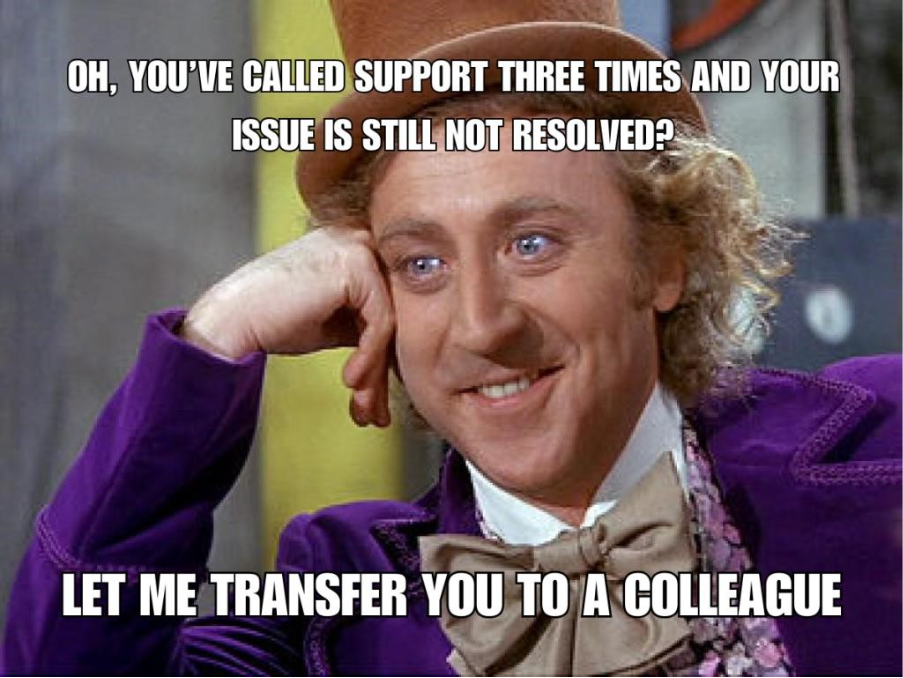
And when a coffee machine takes months to repair, the pain extends beyond a single repair ticket. Lengthy repair journeys are one example of the service failure that contribute to the broader customer experience challenges costing companies 10–15% of revenue annually through churn.
One premium appliance found that lengthy repair experiences weakened customer confidence. The same retailer later improved its warranty claims process, a critical part of the repair journey, and saw repeat purchases increase by 21%. The result highlights a simple reality: customers evaluate the entire repair ecosystem, not just the technician who ultimately fixes the product.
The question isn't whether the merchant should step in; it's how to do so without adding another item to the customer's to-do list.
It is a truth universally acknowledged that nobody expects a merchant to identify a failing solenoid from a photograph of a coffee-colored puddle. Neither are they meant to keep a parts warehouse behind the checkout or dispatch an engineer named Gary at dawn.
Their role is more consequential: closing the blank space between “it has stopped working” and “here is what happens now.”
That can be as simple as taking the first call and setting the next scene in motion, as this Redditor experienced:
“I called the small local store I bought it from & they sent a local tech out at their expense to diagnose the problem. He determined the compressor had gone out. The store reached out to Whirlpool on my behalf, told them it had been diagnosed & tried to expedite the process.”
When an appliance breaks, customers want someone to take the next step with them. The merchant can do exactly that: recognize the purchase, identify the route available, and move the customer towards an answer rather than a case number.
Sometimes that route is governed by the legal guarantee. Under EU consumer rules, sellers remain responsible for faulty goods during that period, while commercial warranties may add protection without replacing those rights.
Sometimes it leads to a repair, a replacement, or a clearly priced way to get the product working again. The route will vary; the experience should not. The customer should never be left to work out which door to try first.
But even taking charge becomes complicated when the customer reaches out through a channel different from the one they used to buy the product.
Owning the route is one thing. Keeping it intact when the customer changes channel is another. And often they do. Nearly 73% of customers nowadays expect to start in one channel and finish in another without having to repeat themselves.
The espresso machine may have been bought online, but its owner is now standing in a store, coffee machine in tow, facing people who look rather more useful than a chatbot. To them, this is not a channel switch. It is the same purchase and the same problem.
The trouble begins when the store cannot find the online order. The conversation does not just become awkward; the repair route suddenly develops a trapdoor. The customer was encouraged to shop across channels, but after failure, those channels become borders. Each one recognizes only the fragment of the relationship it created.
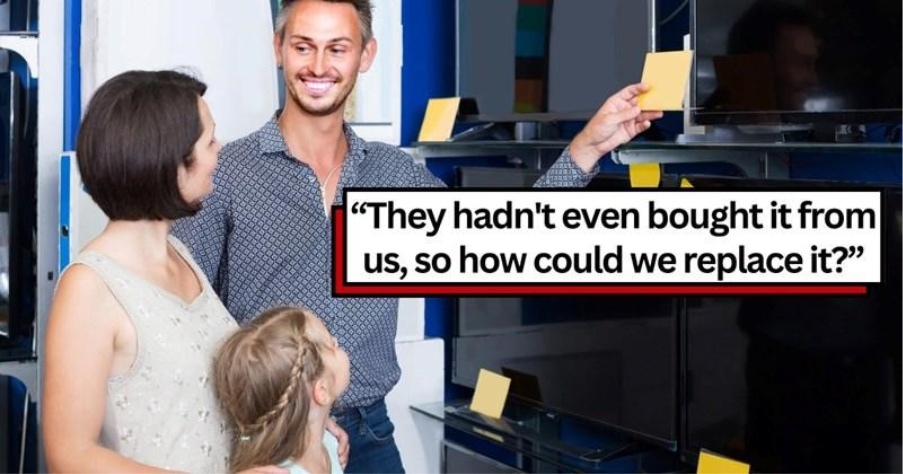
The operational task is not to make every channel identical. It is to let the repair case survive the crossing. A store colleague should be able to start the correct route for an online purchase. A chat agent should be able to see that an in-store conversation has already happened.
The product did not change on the way home, so its repair should not become a different problem when the customer walks into a shop instead of contacting the store online.
A smooth repair does something most marketing campaigns can't: it proves your brand keeps its promises when things go wrong. That proof sticks with customers longer than any feature list or ad campaign.
That is the real value of a repair ecosystem: not a merchant pretending to be a service center, but a post-purchase experience that still feels joined up after checkout. The product may travel through technicians, manufacturers, and claims teams. The customer should not have to travel through them too.
SureBright gives merchants a way to extend that experience beyond the sale. It enables them to offer custom product protection at checkout or within 30 days of purchase. That too, across online and in-store channels creating a new revenue stream while protecting margins. When a covered item fails, SureBright handles the warranty operations and financial risk. Customers can file claims through a portal, email, phone, or chat, with valid claims resolved, freeing the merchant's team to focus on sales instead.
The machine may still choose betrayal at 8:30 on a Monday. At least the customer will know where to turn next.
Give your customers a better answer when products fail; partner with SureBright.


Pushpender enjoys exploring the stories behind everyday decisions. He writes about warranties, ecommerce, and the psychology of buying. He draws on internet research, lively conversations, and a curiosity for the details most people overlook. With a background in English Literature, he believes good writing isn't measured by how complex it sounds, but by how effortlessly it helps someone understand a complex idea. Outside of work, you'll usually find him reading fiction and history, striking up conversations with people from different walks of life, or jotting down ideas inspired by both.