

"Bearing repair cost estimate: $700. The machine is only 4 years old. Is this even worth it?’
- a consumer asked on JustAnswer
Yeah, that's brutal for a repair. At that price, you're basically staring at a new washer anyway.
If you've been on appliance forums lately, it's the same story everywhere. People post repair quotes that make you wince, bearings failing just after warranty ends, or delivery nightmares where washers arrive damaged or never show up at all.
You see, washing machines aren't short-term purchases. Most of us plan to use them for at least 7-10 years. They're expensive, essential, and not something you replace easily-especially when you're juggling a family's worth of laundry.
According to a Consumer Reports survey, washing machine repairs average between $150 to $500, with some repairs pushing as high as $900. Motor replacements can hit $250 to $700. Drum bearing failures? That's $150 to $700 depending on the complexity. And if you need a full drum replacement, you're looking at $350-550.
Even replacement costs aren't friendly-new washers run anywhere from $972 to over $2,000, depending on features and brand.

And the failures? They're more common than you'd think. According to a large consumer survey, only 14% of washers break between second and fifth years of ownership in their survey- but when they do break, the repair costs are not low.
So, before you get a washing machine, you should have some idea about what's actually covered, what's not, and what kind of protection plans make sense for you long term.
Because for every case-whether the washer's drum starts making grinding noises, it breaks during delivery on your porch, or a bearing fails just outside the warranty period- there are different coverage plans you can rely on.

When you buy a new washing machine, you get a base promise from the brand: if something we built goes wrong, we'll fix it. That's the standard manufacturer's warranty.
For most brands of washing machines, it lasts one year, covering core components like the motor, control board, drum, pump, belts, and internal electronics. It's there to protect you from factory errors and manufacturing defects-not accidents or daily wear from overloading or using the wrong detergent.
The duration, though, depends on what you buy.
That difference comes down to how the appliance is expected to perform over time.
It's the brand saying: if we built it wrong, we'll fix it
Once you start using it, the warranty won't cover your "oh no" moments like these:
One real-world example: a Texas consumer purchased a repaired washing machine with a 90-day warranty. When it failed within 30 days, the seller refused a refund citing a "no refunds" policy on the receipt. The warranty covered repair or replacement only-not a return. Situations like this highlight how important it is to read the fine print.
So, once the manufacturer's warranty ends, there's really no guarantee your washer is safe. Bearings can wear out, motors can fail, or yes-that drum can start sounding like a jet engine on spin cycle. These things happen, usually when you least expect it.
That's why many people choose to extend their coverage. It's less about being cautious and more about staying prepared for whatever happens next.
Here's how it usually starts.
Sunday morning, you're two loads into laundry day when the spin cycle sounds like a freight train. By Tuesday, there's water pooling under the machine. By Friday, you're googling "washing machine repair near me" and getting quotes that make you wince.
Then you check the warranty paperwork. Expired. Three months ago.
One Bogleheads user put it perfectly: "Just went through this with a 4.5 year old Whirlpool washer. The bearing was in the gear case and that part cost about half of what I paid for the washer, so I had to replace the washer. Searching, I found many other people had the same problem."
That's the moment extended coverage matters- when a $300 bearing repair quote lands right after your 1-year manufacturer warranty ended, and you're facing a choice between paying nearly half the price of a new machine or hauling wet clothes to a laundromat.
According to industry technicians, budget brands like LG, Samsung, and Hotpoint are built with expected lifespans of 4-7 years. Premium brands like Miele or Bosch stretch to 6-10 years. But here's the thing: when one component fails- usually bearings around year 4-5- other parts of similar age aren't far behind. Motors. Pumps. Control boards.
Consumer Reports data backs this up: only 14% of washers broke during years 2-5, but when failures happen, 56% of repairs were at least partly covered by warranties. Without coverage? Full price: $150 to $700+ depending on what breaks.
So yes, it's definitely worth it.
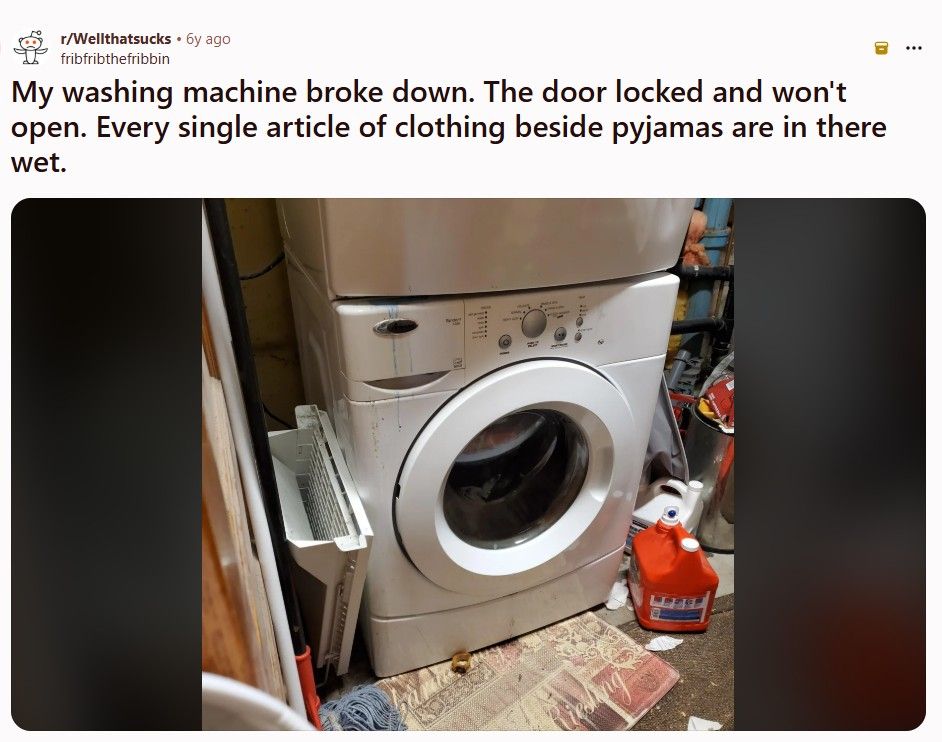
Here's something critical that most warranty discussions skip: many modern washing machines have sealed plastic drums where bearings cannot be replaced individually.
As one frustrated DIYer discovered: "Got the drum out but it's bonded/welded together... Quick look online finds a new drum for £245... Or a complete new machine for £289."
When repair costs approach replacement costs, extended coverage becomes the difference between a $100 claim and a $700 out-of-pocket disaster. Or worse: buying an entirely new machine because the repair isn't economically viable.
Industry consensus among appliance techs:
One MoneySavingExpert forum member faced this exact calculation: "Bearings gone on washing machine + leaky soap dispenser. Washing machine over 4 years old. Had extensive use - we are a family of 5 and often have a lodger too."
The consensus? Replace. Because once bearings fail, the soap dispenser leaks, and the machine has 4 years of heavy use... it's not just one problem. It's the beginning of the end.
Third party warranties change this math. Instead of paying $600 for a bearing repair on a 4-year-old machine, you file a claim and pay a service fee. The warranty handles the rest.
Extended warranties cover manufacturing defects and wear. But what about the other ways washing machines break?
A San Antonio consumer learned this the hard way. Their Lowe's protection plan denied a claim for a failed moving part, stating the warranty "doesn't cover damage" and only applied to "mechanical/electrical failures and normal wear and tear." After local news got involved, Lowe's issued a full refund- but that required escalation, media pressure, and weeks without a working machine.
Most standard warranties explicitly exclude:
Accidental damage protection fills these gaps. It's the difference between "sorry, not covered" and actually getting help when a plumbing leak floods your laundry room or the delivery team cracks the control panel.
While package theft affects 45% of Americans, porch pirates aren't stealing 200-pound washing machines. The real risk? Transit damage.
Large appliances get dented, cracked, and jostled during shipping. Sometimes damage isn't obvious until you run the first load and water leaks everywhere. By then, standard return windows may have closed.
For merchants selling appliances online, 92% report significant costs from damaged or lost shipments. That's not just stolen packages- it's "arrived damaged, customer refused delivery" or "worked for 2 days then leaked because internal component cracked in transit."
Shipping protection covers:
For a $500-$2,000 purchase, that's not insignificant protection.
Look, warranties aren't exciting. Nobody wakes up thinking "I can't wait to read warranty terms today!"

But here's what is exciting: not panicking when something breaks.
For customers, that means Sunday morning laundry doesn't turn into a Monday morning emergency. The machine grinds. You file a claim. A technician shows up. Problem solved.
For merchants, it means turning a potential refund request into a warranty claim- keeping the sale, keeping the customer, avoiding the hassle of returns and negative reviews.
The right warranty partner handles the messy middle while you focus on everything else:
SureBright powers warranties for 500+ brands and thousands of customers specifically because we skip the complexity. Extended coverage. Accidental protection. Shipping insurance. One partner, zero headaches.
Whether you're buying a washing machine this holiday season or selling them, the question isn't "do I need warranty protection?"
It's "can I afford to go without it?"
Washing machines don’t fail on your schedule. They fail on busy mornings, before school runs, before work calls, and almost always after the manufacturer warranty quietly expires. And when they do, the math gets uncomfortable fast: a $600 repair on a $1,000 machine, or a full replacement you weren’t planning for another five years.
That’s the real purpose of warranty protection. Not because every washer will fail tomorrow, but because enough of them do. And when washers do fail, the cost isn’t trivial. Manufacturer warranties give you a starting point, but they’re short by design. Extended coverage, accidental protection, and shipping protection fill the gaps that real life tends to exploit: wear over time, unexpected failures, delivery damage, and all the small disasters that don’t make it into the marketing brochure.
It’s easy to ignore protection when everything is working perfectly. But warranties aren’t about the perfect day. They’re about the inconvenient one. The expensive one. The one where your washer suddenly decides it’s done cooperating.
Because when that moment comes, you’ll either be comparing repair quotes in a panicked state or filing a claim and moving on with your day.
That’s the difference warranty protection makes. Not in how your washer runs, but in how well you’re prepared when it doesn’t.