TL;DR - You sold the customer one smooth, fancy smart home setup. The last thing you want after installation is to become an unpaid warranty referee, paperwork archaeologist, and emotional support line. Because when five different components come with five different warranty T&Cs- your customers expect you to help them out from the tangled customer support web. Whole System Warranties offer a way out because your customer sees just one integrated system and one overarching coverage And yes, it helps you increase your profits, brand perception and referrals too!
Custom integration merchants already do the hard part.
You help people build setups that are expensive, technical, customized, and usually impossible to explain in one clean sentence to friends or family.
A home theater, a smart home setup, a wellness device bundle, a premium fitness installation, a marine electronics system. To you, it is a carefully assembled system. To the customer, it is simple, “I bought this from you, so if something goes wrong, you’ll help. And if you don’t, well you can look forward to some angry reviews.”
That is where the real headache starts.
Not because you lack any existing warranty options, but because you end up with too many moving parts after the sale. Different products, different terms, and different service expectations.
Different customers who do not care how neatly the paperwork was split behind the scenes.
They just want the setup fixed. And honestly, it’s quite fair - from their perspective.
Addressing the concerns of both the merchants and the customers, the solution is not to stack more individual warranties but simplifying the entire post-sale experience. And that is what Whole System Warranty offers.
The sale feels finished when the installation is done. In reality, that is when the risk gets a little more annoying.
Because once the system is live, nobody cares which box the issue came from.
The customer does not say, “I think component three has a separate manufacturer coverage issue, while component five may still be within its limited protection term.” They say, “Something is not working.”
And now you are stuck in the middle.
Not because you caused the issue, but because you are the only one they can complain to. And when things go haywire, as multiple surveys have repeatedly shown - it's the seller who takes the blame-
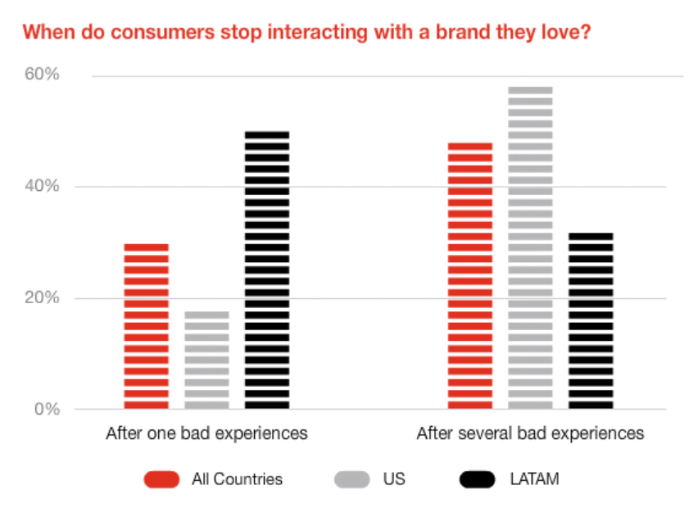
Custom integrators run into this problem more than most because the issue is rarely limited to one product. It usually sits inside a larger setup with multiple components, different warranty terms, and one customer who simply wants the whole system to work.
That is when a finished installation stops feeling finished and starts turning into a support problem.
On paper, more warranty options might sound useful.
In real life, they often create a small administrative circus.
One product has a manufacturer policy. Another has different coverage terms, claim conditions, or repair limits. One covers parts but not labor. Another expired last week. One required registration. Another excluded wear that affects performance. And yet another says accidental damage was never included to begin with.
UGH!
Already annoyed? And this is only when you’re reading it. Not talking to 3 different customer support teams - each of whom is trying to evade the blame.
Now take a break, and put all of that in one, single setup.
Having multiple warranties can become extremely confusing, especially for customers. And that confusion is not theoretical. In its 2024 survey, the Consumer Federation of America said, participating U.S. consumer agencies handled more than 350,000 complaints, with warranty issues specifically listed among the complaint categories they continue to receive
It’s not rare, that confusion becomes frustration and unfortunately, you have to absorb its first wave. Calls. Emails. Follow-ups. Back-and-forth with service providers. Customers are less interested in policy language and more interested in why their expensive setup is suddenly acting possessed.
A redditor annoyed by a HVAC claim vented it out - “The headache is usually found in confirming the warranty and submitting the warranty, sometimes the installer/customer doesn’t register it, or the info on the warranty registration doesn’t match what’s provided in which case, wether it’s covered is gonna depend on the manufacturer and/or supplier and what doesn’t match”
Nobody opens a custom integration business because they dream of becoming a part-time warranty detective.
Yet that is exactly where you often end up.
This is the disconnect that matters most.
You may think in components because that is how systems are built. Customers think in outcomes because that is how systems are experienced.
The customer does not emotionally buy a display, a control panel, a connected accessory, and three supporting devices.
They buy a working home theater. A working smart home. A working security setup. A working wellness station. A working solar-backed system. A working premium environment.
You, meanwhile, are left managing the mismatch between how the system is sold in real life and how protection is often split on paper.
That mismatch is where post-sale headaches multiply.

This is why simpler coverage is not just a customer convenience issue. It is an operational issue. And, this is where SureBright’s whole system warranty becomes relevant.
Not because it sounds nice in a brochure. Because it’s built around the exact headache you deal with after installation.
SureBright’s whole system warranty is designed to cover an entire installed setup under one plan rather than forcing you and the customers to juggle separate protection plans across individual components. Some of the warranty perks are mentioned below;
The whole system warranty is specially made for custom integrators and installers like you, especially when you are selling multi-product systems across categories such as electronics, home appliances, HVAC, solar, fitness equipment, medical equipment, furniture, outdoor products, and other setups that are sold and experienced as one complete system.
The practical advantage is quite obvious if you think about it.
One integrated warranty is easier to explain. Easier to sell. Easier for customers to understand. And yes, easier to use when something goes wrong.
The coverage itself also speaks to merchant reality, not fantasy. SureBright offers protection for mechanical and electrical breakdowns, labor charges for repair, power surge protection from the date of purchase, professional re-installation, and the option for replacement or reimbursement when repair is not viable.
In other words, it is built with the understanding that for merchants like you, business does not always end at the sale.
That matters because post-sale experience affects reputation and can badly damage your reputation if ends don’t meet.
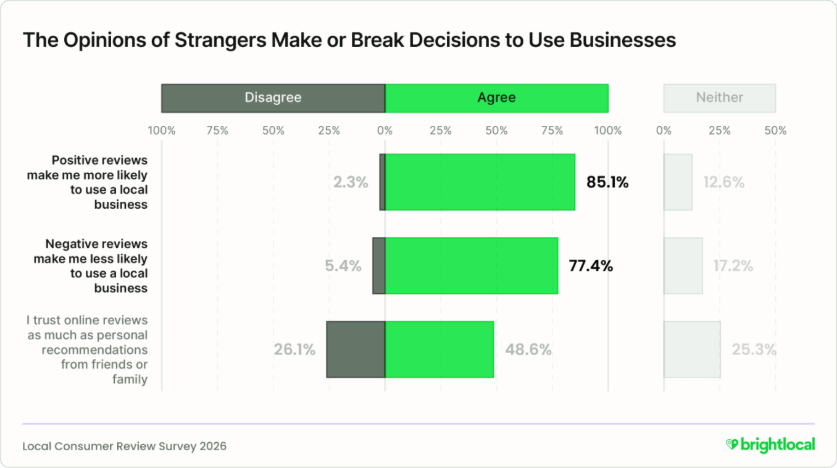
A smooth claim experience feels professional. A messy one makes the entire purchase feel messier than it should.
And for you, that means warranty structure is not just a backend detail. It is part of customer experience.
The point is not that you need more ways to package protection.
The point is that you want fewer problems on your plate in the future.
That’s the real appeal of a whole system warranty. It does not try to turn protection into a pile of options for the sake of sounding flexible. It tries to make your post-sale life not just simpler but also more lucrative.
And yes, the win is not just the coverage. It is fewer gaps, fewer explanations, fewer messy handoffs, and fewer moments where the customer is confused, and you are on the brink of a standoff.

SureBright’s Whole System Warranty works because it follows that expectation instead of fighting it.
And for you, that can be extremely significant, as you will not just be providing an experience, or delivering a promise or creating a benchmark.
You will be adding real value to your customers’ lives.
That is usually the part they remember and become truly loyal to you.