.jpg)


You wake up, already dead tired, after a late night out. As you groggily open your eyes to check the time, you see it: there’s something wrong with your phone. This especially sucks if you’ve been taking extra good care of your phone.
“I ordered my Nothing Phone 3a the moment it came out and so have had it only about 4 weeks or so and already, all of a sudden, it just… stopped charging. I used the Nothing brand charging cable it came with and everything. I attempted all possible changes, updates, resets, and other software fixes, especially all the ones their support section mentioned, including trying other charging cables, cubes, and outlets, but absolutely nothing is working. I contacted their support team but they say they can’t do anything as the warranty for it lasts ONLY 4 WEEKS which is insane to me and mind boggling.”
- A frustrated Nothing Phone user venting on Reddit.
You groan and regret ever buying the device. Then, you check internet forums for other brands, hoping to find your next phone (which wouldn’t be as horrible). And there it is again- another complaint about some brand’s disappointing phone warranty process.
“Got a horizontal green line in Pixel 8. It randomly came up and it was initially flickering and then it became permanent. It extends from right top to the center, next to camera. Google said they can't cover it under extended warranty.”
- A user detailing their disappointing experience with Google
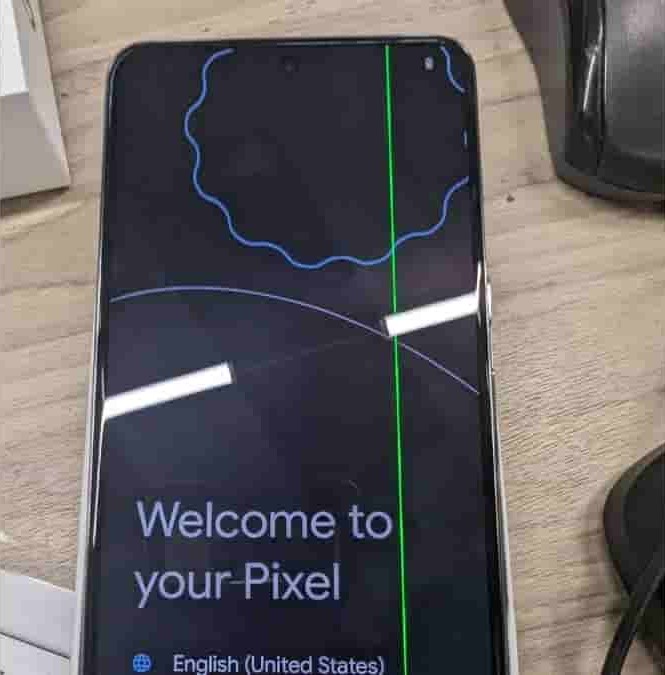
And it keeps happening across every online community and forum, one frustrating customer experience after another and another and other – endlessly.
Do all users have to deal with terrible support? Is there no other way to fix your smartphone? And is this just a big conspiracy around planned obsolescence?
Grab a coffee before we compare the phone warranty plans across major brands like Google, Apple, Samsung, and Nothing. Let’s unpack the rage, go over the cost differences, and find a smarter path forward that keeps your tech alive without the drama. Okay, maybe a little less drama
A whopping 87 million Americans cracked or soaked their phones last year alone, as per an industry report. Some people slip and break their phones. A few accidentally cover them in soda.
The others could have dirt clogging the ports or swollen batteries from heavy use.
Most of those folks reached out to support to file for warranty, only to be told to get over it. Sometimes, support teams even lie:
“My S22 Ultra had the reboot malfunction after the One UI 6.1 update. I contacted Samsung Support, and they inspected the device. The repair slip clearly stated there was no physical damage. Two days later, I was contacted by Samsung and given a non-warranty repair quote of $1,200. They claim the device has “physical damage,” which voids any warranty repair. Samsung is looking for any excuse to deny warranty repairs for what is clearly a systemic issue. Countless users have reported similar problems with reboot loops after the update.”
- A Samsung phone owner shared their experience in a post.
A 2026 durability report even notes that repair costs for flagships like the iPhone 17 Pro and Galaxy S25 Ultra are climbing as their glass and OLED designs get more complex. Costs start at $130 to $300 just for a screen replacement. On foldables and other flagship phones, that figure quadruples.
So if you thought your regular warranty would have your back and that you wouldn’t have to worry about repair costs, you’re going to be very, very disappointed.

Apple kicks off with one year on iPhones for manufacturing defects only. No accidents. Google and Samsung match that in the US. Nothing offers one year too, but support is either barely there or plain awful in the US.
“My nothing phone 2 randomly crashed and has been stuck in a boot loop since. I've then contacted support and then sent my phone for a repair. I just received it today and I've never felt such disrespect in my life. I received an opened phone, that's STILL UNABLE TO TURN ON. I'm at a loss of words, I'm very disappointed with the brand.”
- An upset user ranting online.
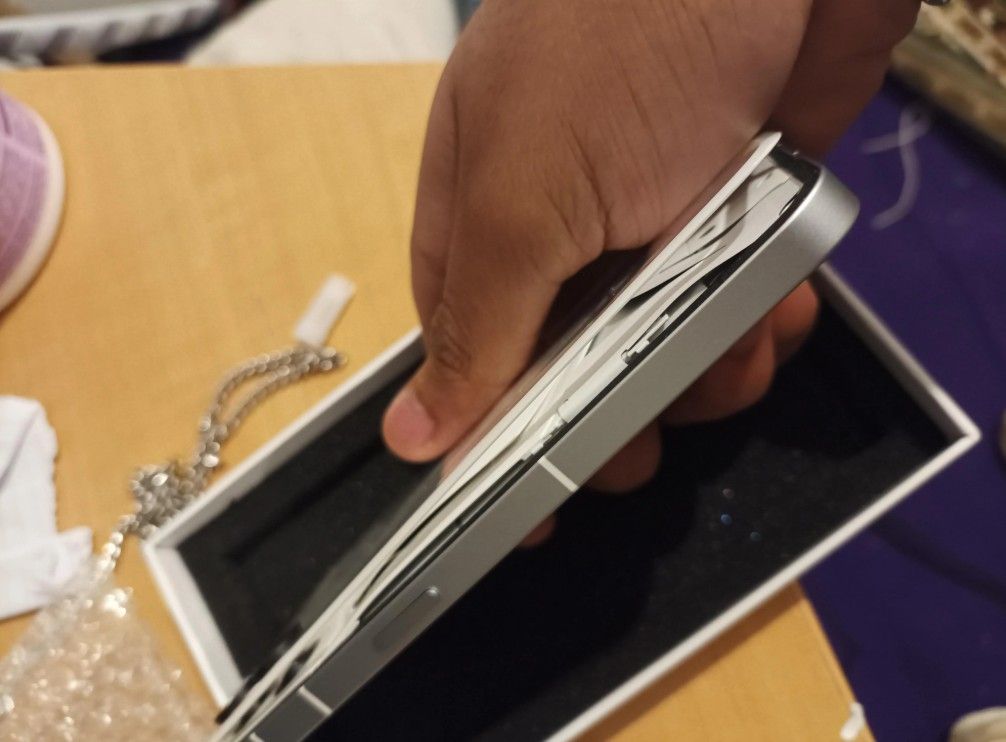
How is any of this acceptable? The answer: Well, it’s not. But they find a way to dodge accountability.
Most basic warranties from Apple, Google, Samsung, and Nothing focus on manufacturing defects only. That usually means problems caused by faulty parts or workmanship, like a screen that stops responding on its own, a speaker that never worked properly, or a phone that randomly shuts down despite gentle use. If the brand decides the issue is their fault, they will repair or replace the device at no charge.
The list of things they do not cover is where frustration begins. Standard plans almost always exclude:
Many treat visible cosmetic damage as an excuse to deny deeper hardware claims.
“I just got off the phone to the phone manufacturer who have told me that my phone will not be repaired unless the cosmetic damage is repaired first as this is their policy.”
- An exasperated user shared their frustration in a forum post.
By this point, we’ve seen the inadequacies within a factory warranty, regardless of the brand. So this question coming up is only natural. And to answer it- yes, third-party warranty plans help a lot.

These plans work better than a manufacturer warranty because the latter wasn’t designed with you in mind; they were designed to limit liability for the brands.
Once you accept that harsh truth and then pick the right warranty provider, you’re pretty much sorted.
Reliable providers like SureBright step in to cover the things that actually endanger your phone (and wallet):
Essentially, the kinds of issues that get your claim denied before you even finish explaining the problem.
It’s inconvenient and annoying when phones get damaged. These plans won’t prevent damage, but they ensure that you won’t have to deal with a broken phone for long.
How do third party plans differ from standard phone warranty?
Time for the showdown.
When it comes to smartphone warranties, standard plans miss out on a lot, while third-party providers pack a punch.
Standard warranties cover manufacturing defects, and nothing more. But after everything you've read (the denied claims, the insane repair quotes, and the hardware damage caused by them), it's hard to call them a safety net with a straight face. They're a formality dressed up as protection.
And as you’ve noticed, smartphones are more expensive than ever. Plus, the repair costs on flagship devices are also climbing up as glass panels get thinner and OLED components get pricier.
Third-party providers don't fix the fact that phones break. But they do change who's in your corner when they do. Warranty partners like SureBright have plans that can cover accidental damage, fast and easy claims processes, dedicated support, and plan durations based on your comfort.
You spent a lot of money on your phone. It goes everywhere with you, holds everything important to you, and is usually the last thing you can afford to have fail on a bad day.
It's worth protecting properly.



.jpg)


.png)