.jpg)


Despite the high-octane panic currently flooding your inbox, the EU’s incoming June 19 deadline for “Withdrawal Button” most likely doesn’t apply to your storefront at all. And even if you do fall into its crosshairs, the real danger has nothing to do with the multi-million-dollar fines compliance most vendors/ads are using to scare you.
On the surface, adding a button sounds like a minor cosmetic tweak to drop into your footer. Instead, it has ignited a massive compliance gold rush across the Atlantic.
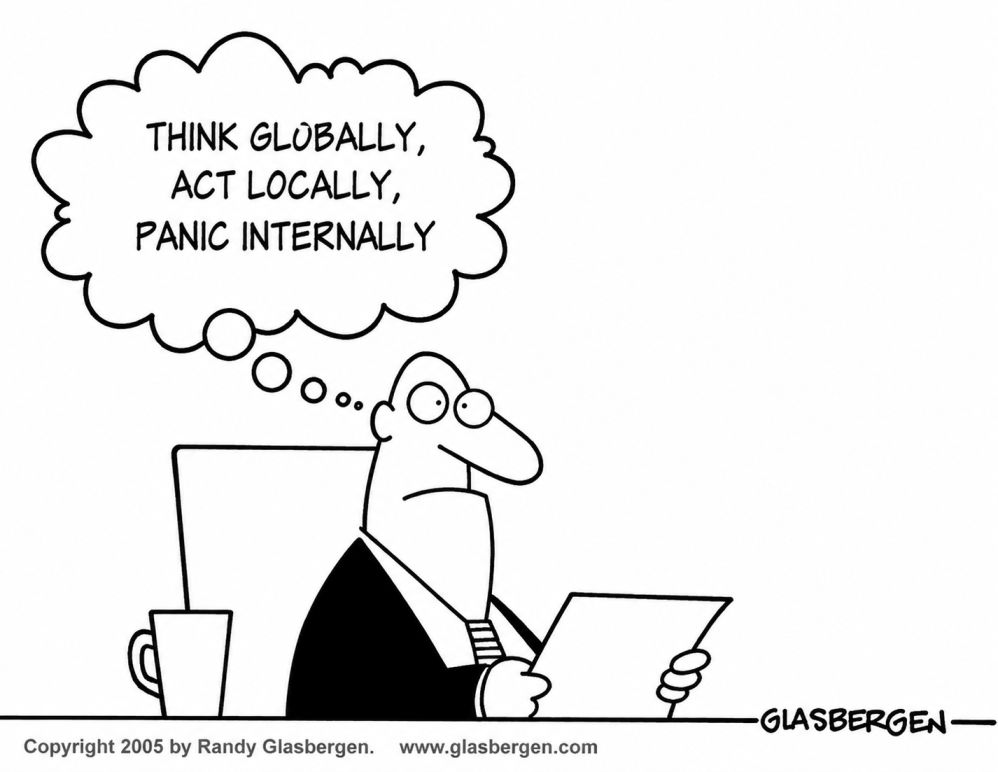
Micro-SaaS vendors are flooding North American inboxes demanding $30 a month to “patch the gap,” pushing a singular narrative: pay up by the deadline or prepare for ruin - because on paper a Texas LLC shipping a hoodie to Paris is covered.
But those looking to earn a recurring subscription fee are entirely misrepresenting how cross-border enforcement actually works for businesses in the US and Canada.
So we’re offering you a clear-eyed breakdown of who this law actually applies to, who is completely exempt, and where the real risk lives.
The rule comes from EU Directive 2023/2673, and it’s worth noting that it isn’t a brand new consumer right at all.
European shoppers have had a 14-day “change your mind” window on online purchases mandated in law since 2011. This means the lack of a consumer right was never the problem. The problem was the obstacle course - buried policies, downloadable PDFs, support emails that vanish into the void. And more importantly, the infamous dark patterns.
So, to making it easier for customers to return unsatisfactory products the EU stopped regulating the legal right and started regulating the exit.
From June 19, the exit must be a clearly visible withdrawal function on the store itself.
The customer clicks it, enters their order details, confirms, and the store sends back a timestamped acknowledgment email.
It has to work for guest checkouts, stay visible through the entire 14-day window, and sit somewhere a customer can actually find it. Moreover, the specific wording to go on the button is dictated by the law - the button must say “withdraw from contract here,” or an unambiguous corresponding wording. Yes, a parliament wrote a button copy.

Because this rule updates the overarching European Consumer Rights Directive, it does not matter if you sell digital software, physical clothing, or financial services. What matters is how and where you operate your business.
For US and Canadian merchants, the field divides cleanly into two categories:
Start with what’s technically true. The rule applies to anyone targeting EU consumers, and lawyers define targeting generously. Ship to the EU, run an EU-language site, or price in euros, and any one of those puts you in scope. Where your company is registered doesn’t matter.
But let’s look at what enforcement actually consists of.
Enforcement runs through national consumer protection associations, through cease-and-desist letters and injunctions. Because a cease-and-desist letter needs a recipient a court can compel and assets worth compelling. Mailed to a Vermont LLC with no EU entity, no EU bank account, and no EU warehouse, it’s a piece of paper with fancy a stamp on it.
Compliance vendors can weaponize these fears because, on paper, the EU writes its laws addressed worldwide. But history shows that paper boundaries melt in the real world.
GDPR arrived in 2018 with the same worldwide scope and the same warnings to American small businesses. Eight years later, the EU’s own data protection board concedes that enforcing its rules against companies with no EU presence is legally controversial and practically messy. The fines chased presence, assets, and volume. And the headlines were limited to Meta and Google, never on a Shopify store in Ohio.
While the EU’s button can’t realistically reach you, Canadian regulators are building one that can.
Quebec’s Bill 10, introduced in December, mandates a prominent one-click “cancel” button for any recurring contract, with fines per violation. And it isn’t just Quebec - consumer protection reforms across Québec, Ontario, British Columbia, and New Brunswick will force merchants to revisit cancellation and renewal processes through 2026.
So for a Canadian merchant, the EU deadline is mostly noise. The idea behind it is arriving at home - with enforcement that actually reaches you.
The US had nearly the same rule.
The FTC’s “Click-to-Cancel” rule would have forced companies to make cancelling a subscription as easy as starting one. And on July 8, 2025, a federal court threw it out, six days before it took effect. Just because the FTC had skipped a required economic analysis.
Then, ten weeks later, the same government fined Amazon $2.5 billion over the exact behavior the dead rule targeted: Prime memberships that were effortless to start and miserable to end. This became the largest civil penalty in FTC history.
So even if the button may never reach you. The idea already lives in your home market, at a much bigger price tag.
Strip away the deadline and what remains is a law that codified something your customers already believed: a store should be as easy to leave as it is to enter.
The EU wrote it into a button. America enforces it through ten-figure settlements. Your customers enforce it the oldest way there is, by not coming back.
So the smartest response to June 19 is probably not “how do I dodge this” or “which app do I install.” It’s a question worth asking about your own store whether or not a single order ever ships to Europe:
“If a customer can buy from you in one click, how many clicks does it take to leave?”
Trust is already the scarcest asset in ecommerce. Let customers leave gracefully and they may come back. Make them fight their way out and you’ve turned a temporary refund into a permanent customer loss.
.jpg)