Tl;dr - Bad warranty companies fail at claims while hurting your conversions, increasing support load, and damaging your brand. Look for seamless checkout, strong attach rates, fast claims, and full transparency. Remember that the right partner turns warranties into a growth driver, not a liability.
“My TV stopped working, so I raised a complaint in August. It’s been 25+ days now and nothing has been fixed. Every single day I’m either calling or mailing them, but all I get is “sir, issue escalated” and “technician will visit soon.””
Now, imagine that this Redditor bought that product from you.
You can be absolutely sure there would be a 1-star review, at least 2 angry rants on social media and possibly even some yelling at your customer support team. The kind of stuff that makes your heart sink - even after 10 years of doing business.
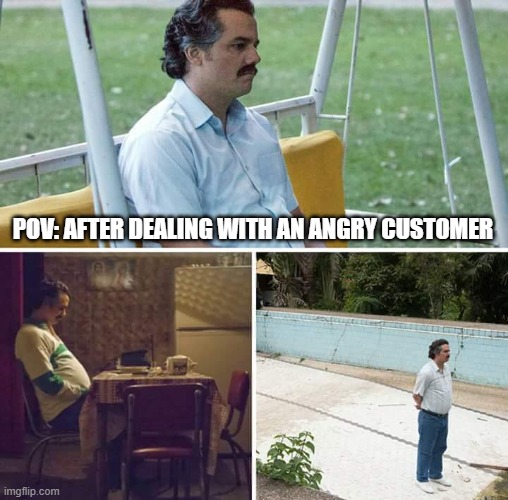
This is where most merchants underestimate the impact of warranties. The sale is complete, the revenue is booked, but the experience is still unfolding in the background. And when something goes wrong, your brand is the one customers come back to.
And it’s not rare. More than 30% of warranty claims get denied on the first attempt, and even successful claims often take longer than customers expect. That gap between expectation and reality shows up directly in your support inbox, reviews, and your repeat purchase rate.
From the customer’s perspective, there’s no separation between you and the warranty provider. They remember where they bought the product. They associate the entire experience, good or bad, with your brand.
That’s why choosing your warranty partner can never be a decision to be taken lightly. Let’s dive right in to learn how to avoid ending up with the kind of warranty company your customers complain about.
Yes, it does.
Nearly 30,000 new products are introduced each year, and 95% of them fail. So, all it takes for you is to trust one new product and your customers will be feeling the same way as this redditor:
“My experience has been a complete disaster. They advertise hassle-free claims, new parts, and full coverage at any shop, even the dealer. That has not been my reality.”
And even if you are hell-bent on selling old, reliable products, let’s say in electronics, you’re still dealing with devices that can fail without warning. As matter of fact the lifespan of electronic goods has decreased from 3.5% in 2004 to 8.3% in 2013 (Yeah, welcome to the age of planned obsolescence).
.gif)
And when that happens, when your product breaks, no matter how good, reliable, foolproof you think it is, the spotlight shifts to your warranty provider.
That is why choosing the right warranty partner shapes more than just post-purchase support. It influences how confidently customers buy, how smoothly issues get resolved, and how your brand is remembered after the sale.
Here’s a comprehensive look at why choosing the right warranty company matters:
Let's find out together. Below, we’ve listed a few red flags that you can use to identify whether your warranty company is worth it or not:
The reddest flag for any warranty company is interrupting the buying decision of your customer rather than supporting it.
Many providers add clunky widgets, intrusive pop-ups, or confusing plan options right at checkout. Instead of building confidence, this creates hesitation. And hesitation at checkout can be expensive for you.
Even a small drop in conversion rate can translate into significant lost revenue over time. Put yourself in your customer’s shoes: you are ready to buy, card in hand, and suddenly you are forced to decode warranty jargon or choose between unclear plans.
Yeah, anyone would run.
Let’s get one thin out of the way: if only a small percentage of your customers are opting for warranties, that’s not a customer problem, it’s a provider problem.
Many warranty companies offer static, one-size-fits-all plans that don’t resonate with what customers are actually buying. The result is low attach rates, often stuck in the single digits.
That’s a huge missed opportunity.
For many merchants, warranties significantly increase revenue per order but only if customers see the value. A poorly positioned warranty is like putting a high-margin product on a shelf no one can find.
The real test of a warranty begins when a customer files a claim. And this is where many providers fall apart.
Through long forms, repeated documentation requests, and unclear next steps, the claims can quickly turn into a mire of frustrating experiences. Customers expect resolution, and that too, quick ones.
Studies show that customers are far less likely to return after a poor service experience, even if the product itself was good.
According to one study, it takes 4 positive experiences to build trust and 2 negative experiences to break it.
But fewer things damage trust faster than a denied claim, especially when the customer believed they were covered.
From the customer’s perspective, this feels misleading. They paid for protection, but when they needed it, the rules suddenly changed. It’s the equivalent of buying insurance and discovering the coverage doesn’t apply when you need it most.
These moments create a lasting skepticism, which shows up in reviews, word-of-mouth, and future purchase decisions.

There are two things that are sure to happen: the sun rising in the east and customers turning to your brand for support, not the warranty provider, when something goes wrong.
As a result, your support team ends up fielding complaints, chasing updates, and trying to resolve issues they don’t control. What was meant to be a value-add turns into operational overhead. Over time, this can significantly increase support costs and slow down response times.
You can’t improve what you can’t see.
And many bad warranty providers offer little to no visibility into performance, no clear data on attach rates, claims volume, approval rates, or customer satisfaction. Without this, you’re essentially running a blind operation. You don’t know what’s working, what’s hurting conversions, or where customers are dropping off. For a revenue-driving component of your business, that lack of insight is a major risk.
It’s like ordering takeout food but without knowing its price, taste, or even what you ordered.
This is a world where the average attention span of a modern human being is 8 to 8.25 seconds.
So, speed matters, a lot... especially when something breaks. Customers expect quick fixes, not prolonged waiting periods.
Yet many warranty providers take days or even weeks to process claims, schedule repairs, or issue replacements. In a world where same-day delivery is becoming the norm, waiting weeks for a resolution feels unacceptable. Every delay increases frustration and the likelihood of negative feedback.
Though it might seem like a big task on paper, in reality it is easier than it sounds.
All you have to do is pay close attention to the following factors:
Your warranty lives (or dies) at checkout. If it slows customers down, it’s costing you sales before it even generates revenue. A cluttered widget, unclear pricing, or poorly timed pop-up can introduce just enough hesitation to derail a purchase. And even a small dip in conversion rate can outweigh whatever you earn from warranties.
A warranty program should be predictable rather than a guessing game. Look beyond commission percentages and understand the full revenue model, including attach rate, pricing flexibility, and margins.
When something goes wrong, who steps in?
That’s the question most merchants don’t ask early enough.
If the warranty provider lacks strong support, the burden shifts to your team. However, a capable warranty provider takes ownership, resolves issues directly, and keeps your team out of the loop.
A strong warranty partner gives you clear insights into performance. Without this data, you can’t tell what’s working or where you’re losing money. So, look for providers that offer real-time, actionable reporting so you can monitor performance and make informed decisions instead of relying on assumptions.
Not all products carry the same risk, and your warranty program should reflect that. A one-size-fits-all approach often leads to poor adoption and mismatched expectations. High-ticket electronics, for example, may benefit from accidental warranty coverage, while lower-cost items may need simpler, more affordable plans.
If you can’t adjust pricing, coverage, or messaging, you’re limiting your ability to connect with customers. Flexibility allows you to align the warranty with the product, and when that alignment is right, customers are far more likely to opt in without hesitation.
Before committing, look at what real customers are saying.
Around 93% of customers read reviews before trusting a service, and the same applies here. These reviews offer a preview of what your customers might go through later. If you see consistent frustration, assume it will show up in your own support inbox.
By now, it must be clear: having a trusted warranty provider matters more than you think.
A weak warranty partner only creates friction, delays, and frustration that customers associate with your brand. A strong one, however, does the opposite and resolves issues quickly, builds trust, and leaves customers feeling taken care of.
That’s why more merchants are moving toward warranty solutions that are built for both sides of the experience; seamless at checkout and reliable when it matters most.
That’s exactly where SureBright fits in.
With fast, transparent claims, flexible coverage, and a checkout experience designed to convert, it helps you turn warranties into a growth driver instead of a risk.
If you’re already offering warranties, it might be time to take a closer look at how they’re performing. And if you’re not, there’s a real opportunity to do it right from the start.
Get started with SureBright today.
.jpg)


M Khizar is a writer enjoys making complicated things feel simple. He writes about warranties, ecommerce, and the small details people usually overlook, until they matter. His work focuses on clarity and helping readers make smarter decisions without overthinking it. Outside of work, he enjoys reading, writing personal blogs, and binge eating with friends.


.jpg)