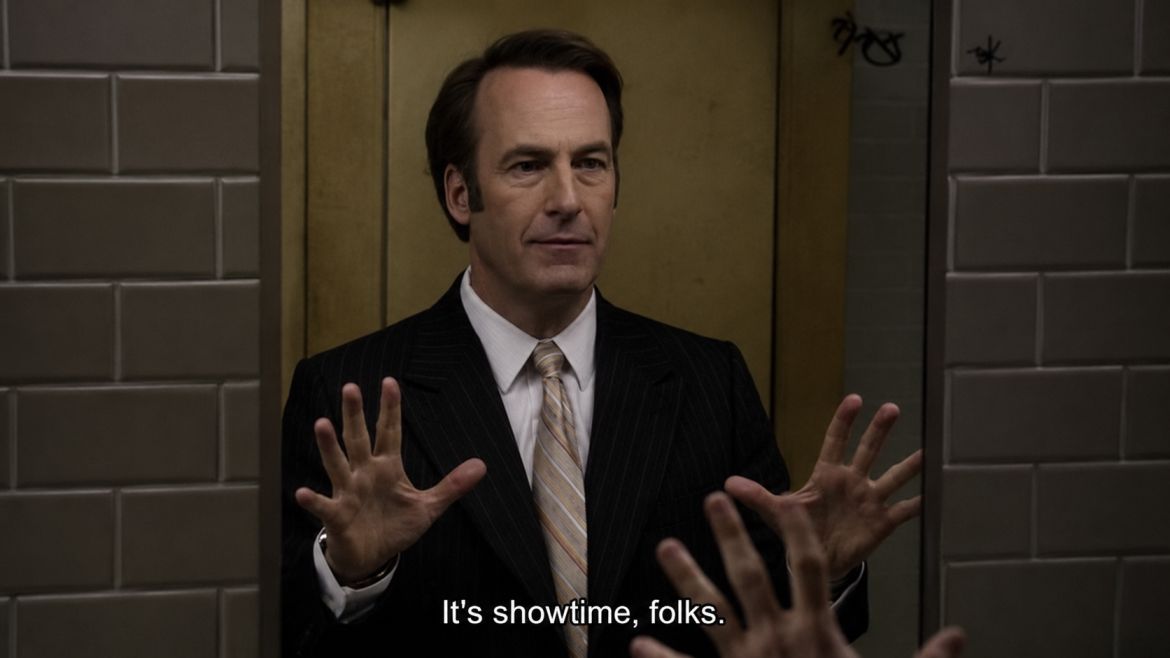
In 2018, an episode of Better Call Saul revealed a brilliant sales lesson.
The protagonist Jimmy McGill sat in a completely empty cell phone shop. Desperate to move slow stock, he painted a bold question on the glass window:
“IS THE MAN LISTENING? PRIVACY SOLD HERE.”
Hours later, buyers packed the storefront. Jimmy sold ordinary prepaid phones, yet he commanded premium prices because he offered a rare commodity.
Privacy as a commodity is still rare, but its value has only increased for the average buyer.
But today, instead of protecting it, brands have just learned to mine it deeper.
Enter privacy’s antithesis: surveillance pricing.
The promise is seductive. By tracking a user’s zip code, device type, and behavioral urgency, algorithms can dynamically extract the absolute maximum dollar amount a buyer is willing to tolerate.
But today’s buyers are ruthless about spotting it and sharing it with the world.
As an e-commerce merchant, you are caught in an impossible spot. Inflation has thinned your margins, and rising customer acquisition costs (CAC) mean you need to optimize every single transaction just to stay profitable. While identity-driven tracking algorithms to boost short-term average order value (AOV) may seem like a logical next step, they often create problems that far outlast any temporary revenue lift.
Getting the most from every sale is a valid goal, but it shouldn’t come at the expense of customer trust in a market where trust is increasingly fragile.
To understand why, let’s look at how surveillance pricing works, why consumers react so strongly to it, and what smarter alternatives look like.
Now this is a situation that I have seen pan out right before me.
It was sometime in the autumn of 2025, me and three of my friends sat around a dinner table booking a weekend trip. Then we noticed something weird. I was looking at a hotel on my new iPhone and the room was showing up at about $250 a night. My friend pulled up the exact same hotel on his older Android phone and it was closer to $180.
At first we thought one of us had the dates wrong. We checked again. Same room. Same dates. Different price.
Later that year, in December, an investigation cracked open the reality behind what went down on that dinner table.
The same dozen Lucerne eggs at a Washington D.C. Safeway appeared on Instacart with five different price tags at the same moment.
Researchers ran 437 shopper carts through Instacart in four cities. Majority of grocery items appeared at multiple prices, some varying by 23%. The hidden cost difference for a family of four was around $1,200 a year.
Two weeks later, after apprehending a possible legal and reputational blow, Instacart pulled the plug on every pricing experiment on its platform. In its defense Instacart insisted prices were assigned at random, with no link to personal data.
Your customers aren’t silently observing the patterns that will become interesting stories to tell their friends or kids. They’re actively expressing anger and finding turnarounds:
“This is why I always do my online shopping on my old Commodore 64 computer so the online stores think I’m dirt poor.”
That’s highly unlikely to work but it’s a signal for you to not think of surveillance pricing as a silver bullet that will magically uplift your margins. Because this public anger is what drives hefty lawsuits.
Back in 2022, Target used geofencing to raise app prices when shoppers entered a store parking lot, a TV jumping from $499.99 to $599.99, a practice that led to a $5 million civil penalty. Now picture even a fraction of that bill landing on your books. And today’s buyer pulls out a screen recorder before they reach for customer support, and a side-by-side clip of two prices for the same item can travel further than every ad campaign you have ever paid for.
Let’s look at three pricing buckets in plain words.
A static price is one number for everyone, all the time. The Costco hot dog combo has been $1.50 since 1985.
A dynamic price is one public number that moves with the market. A Marriott room is $189 on a slow Tuesday and $389 on Super Bowl weekend, but every guest checking that night sees the same rate.
A surveillance price is built around who you are, so two people can see different numbers at the identical second.
Memorize this simple one-line test to keep your store safe. Dynamic pricing asks: “What will the market pay right now?” Surveillance pricing whispers: “What do we think this specific person will pay?”
The key difference is which data sets the price: market signals like supply and demand, or indicators based on sensitive personal information.
Shoppers already accept that a winter coat costs less in April and a hotel room costs more on a holiday weekend. Airlines have priced this way for decades.
Even New York’s Algorithmic Pricing Disclosure Act, which went into effect in November 2025, leaves pricing alone when it varies only on nonpersonal data like supply, demand, or time of day. It kicks in only when the specific consumer’s personal data sets the price shown to them.
McKinsey benchmarks the upside of dynamic pricing at roughly 2 to 5 percent sales growth and 5 to 10 percent margin improvement in tested categories.
But the cost lands heavily on trust. Gartner found 68 percent of US consumers feel taken advantage of when brands use dynamic pricing, while 80 percent say brands that hold prices steady are more trustworthy.
So even clean dynamic pricing can cost you if it reads as sneaky.
This brings us to the messy middle of price testing.
Most store owners assume A/B price testing is relatively safe because price differences are random and not tied to personal data. Remember the Instacart backlash? The company's defense was that the tests were independent of customer identities.
The problem is that consumers rarely see the distinction. If two shoppers are shown two different prices for the same item at the same moment, many will assume they’re being profiled. It is the same instinct that has half the country convinced Meta is listening through their phone microphone, and the same one that had Jimmy McGill’s storefront packed in a single afternoon. Most shoppers cannot prove the man is listening. They have already decided he is.
To your average buyer, it’s pretty black and white:
“Imagine Walmart having the ability to do dynamic pricing to charge more for toilet paper because they know you have diarrhea.”
What they’re referring to is surveillance pricing.
And that's where the regulatory momentum is heading. Maryland is the first state to ban surveillance pricing for some food retailers, and over 40 bills have been introduced across at least 24 states.

While we’re here throwing the much-needed caution to the wind, you still have a business to run and profits to clear.
To scale your margins safely without lighting consumer relationships on fire, think of the following six guardrails as a practical framework:
Never let your backend silently manipulate a price tag based on invisible tracking. If a price shifts, it should happen because the customer did something highly visible - they signed up for a VIP tier, crossed a specific cart milestone, or physically clicked to clip a coupon. When the buyer actively unlocks a rate, it feels like a hard-earned win. When the software handles it in the shadows, it feels like an ambush.
Every single visitor should see the exact same sticker price out of the gate. If you want to incentivize a purchase or drive urgency, adjust the final cost at checkout through transparent, stackable offers.
Never use hidden markups engineered behind the scenes because a shopper is browsing from a wealthy zip code or holding a brand-new iPhone.

Don't use invisible tracking algorithms to squeeze out a few extra dollars from an unsuspecting shopper. Instead, capture higher margins out in the open by offering checkout upgrades that your customers genuinely benefit from. Integrating a clean, modular add-on like an opt-in product protection plan from providers like SureBright. You scale your average order value completely ethically, while building long-term trust instead of breaking it.
Algorithms are inherently lazy. If you instruct an optimization engine to maximize profit, it might use seemingly innocent variables like a billing zip code as a backdoor stand-in for race or neighborhood income. This can accidentally trigger systemic discrimination. You must audit your pricing logic regularly to ensure your software isn’t manufacturing a massive public relations or legal nightmare.
Transparency is the ultimate leverage against consumer rage. Avoid sensitive personal attributes like a plague, and always provide an obvious opt-out button. Running routine algorithm audits keeps your tech stack ethical, transparent, and completely compliant with shifting state laws.
Do not flick a switch on a complex AI pricing system overnight and blindly hope for the best. Tie your tools to a highly specific, isolated goal, establish tight data guardrails, and run short test-and-learn cycles first. Figure out how the system behaves on a tiny fraction of your traffic before giving an algorithm full control over your entire checkout flow.
If earning customer trust were as easy as making an offer, rising CACs wouldn’t be keeping so many merchants up at night.
Chasing new traffic is important, but it costs five to seven times more than retaining one. This means a lot of the margin opportunity is already sitting in your database.
Instead of relying on more traffic alone, you could raise basket size by adding upfront value. Product bundles, when structured well, can lift average order value, and free-shipping thresholds are often set above typical order size to nudge larger baskets; both tactics work best when matched to category economics rather than treated as one-size-fits-all rules.
A good-better-best framework can also help premium buyers self-select into higher tiers.
And if you want to build a cleaner data engine, use a loyalty program that offers clear perks in exchange for voluntary customer data, and offer transparent, modular add-ons at checkout, such as priority fulfillment or optional product and shipping protection.
After all is said and done, the most important takeaway is that surveillance pricing may be the least reliable route to better margins. At best, it’s winning the battle while losing the war.
.jpg)