


“Charged $658 for Fold 6 inner screen replacement?”
If disbelief ever needed an expression, no one expressed better than this
Redditor after finding out the repair cost for his smartphone.
And why not? Anyone would be in shock after hearing that number.
I mean, sure, we can all say “yeah, high-end models cost more to repair, foldables are complicated, the tech is advanced…”. But it does make you think a little about how expensive all these repairs can get.
A 17 Pro or Pro Max from Apple costs between $1100 - $1200. If something happens, like the scenario above, you’re suddenly looking up to $800 repair cost on a $1200 phone. For one phone and one repair.
Even budget phones aren’t “cheap to fix” anymore. Android screen repairs still cost $50-$200 depending on the model and severity, and battery replacements run $50-$100 at most U.S. repair shops, with Apple’s own pricing reaching $449 for its cheapest current model.
Here is a complete breakdown of repair costs for the recent iPhones;
With most phones lasting barely 2–3 years, you really do start wondering if they are built to last or built to push the next upgrade.

“I cracked the glass on my note, just the glass and everyone is quoting 329.00 plus tax. Heck, even an OEM replacement display is around 200-250"
It is hard not to feel bad about this user venting out about expensive phone repairs on reddit.
That raises one thought: every time there’s a sale, we all get the urge to upgrade our phones. But are we really saving anything if one repair makes us pay for the device all over again?
The real cost usually shows up after the sale. Sometimes it shows up even earlier, before the package even lands at your door. One damaged shipment or one careless drop, and suddenly the “saving” does not feel like much of a saving at all.
That is why phone protection exists in different forms.
For customers, it can mean fewer nasty surprises. For merchants, it can mean a steadier, more predictable revenue stream at a time when tariffs and other costs are already squeezing margins.
So, let’s walk through every type of warranty, one by one, for all the “Final Destination” moments your phone might pull.
But first, let’s clear up one of the most searched confusions on the internet about warranties.
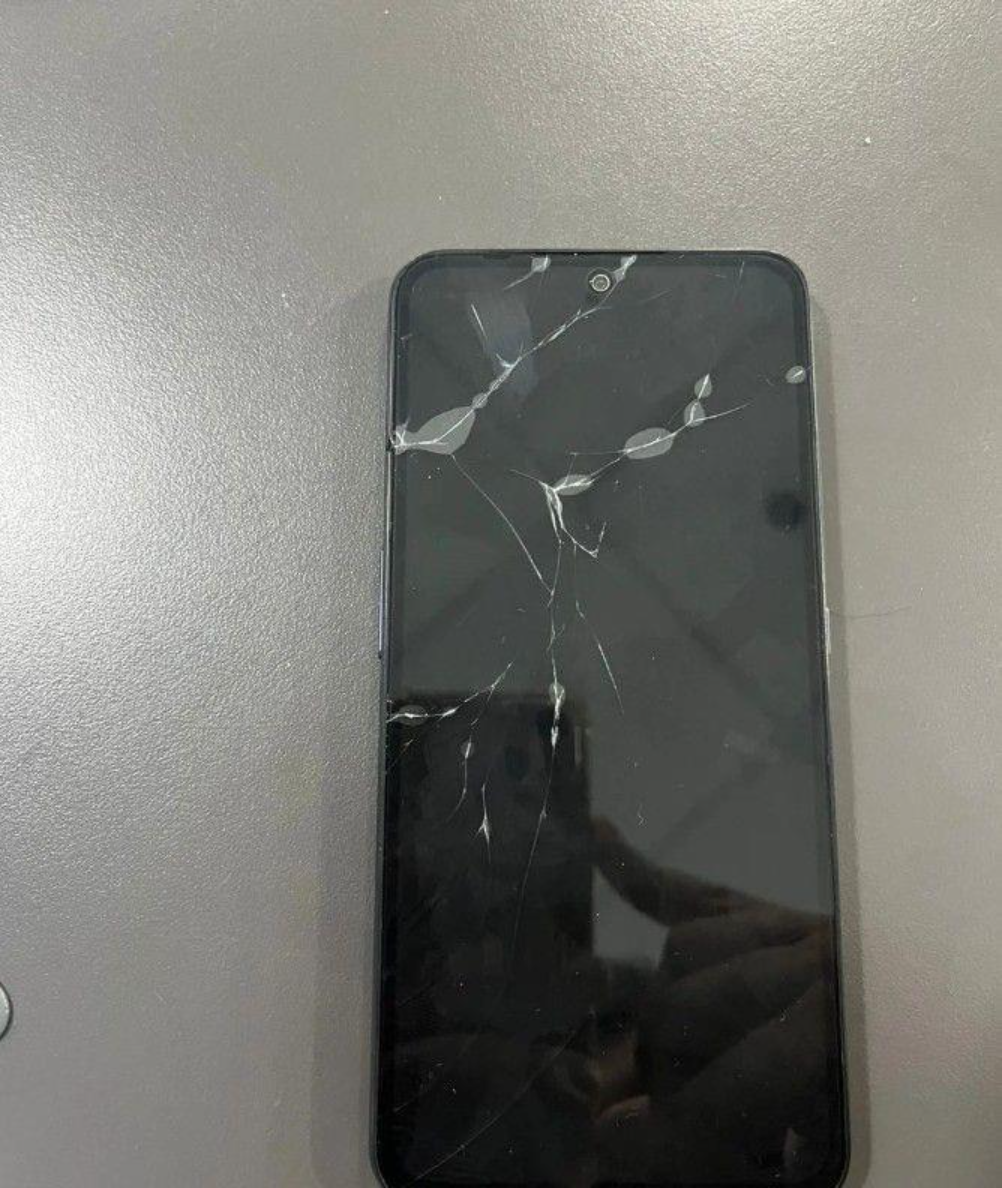
A cell phone warranty only covers issues with the phone itself. You know those moments when something stops working and you’re like, “Yeah… I didn’t even drop it, what is this?” That’s warranty territory - internal defects, mechanical failures, or electrical problems that just happen on their own.
This includes your manufacturer’s warranty, an extended warranty, and accidental damage warranty, each covering a different piece of the “repair” puzzle.
Cell phone insurance is a whole different thing. It steps in for the bigger messes, the “someone stole it,” “I lost it,” or “it’s completely destroyed, what now?” moments.
Phone insurance covers the bigger disasters - theft, total loss, or damage so severe the device can't be repaired. Some insurance plans also cover accidental damage, but the key difference is that insurance replaces the phone when it's gone or beyond saving; not just when it needs a fix.
Here’s an overview table comparing the different types of warranties and insurance:
Every phone you buy comes with a manufacturer's warranty out of the box. It's the brand's baseline promise: if something inside the phone fails on its own, within a set period, they'll fix it.
In the US and Canada, most companies provide consumers with 1 year of hardware coverage for manufacturing defects. In the EU, the same can go up to 2 years because of stronger consumer laws.
Manufacturer phone warranties mostly cover factory-related issues, the things that go wrong because something inside the device was not built right in the first place:
Makes sense so far, but it does come with limits and knowing them early can save you a lot of trouble later.
For a device that we use from the second we wake up to the moment we sleep, is a single year of protection really enough?

That’s why most people add an extended warranty once the manufacturer’s coverage runs out; it works like a continuation plan.
Whenever you’re checking out, online or in-store, you’ve definitely come across it during checkout or had a salesperson ask-
"Would you like to add a Protection Plan: 1-Year extended coverage for $XX?”
Most of us say, “No, thank you,” thinking, “It’s a new phone, it’ll be fine.” We’re a little too optimistic at that point, and honestly, who wouldn’t be?
Everything is sunshine and rainbows until the technician hands you a screen replacement bill quoting hundreds of dollars, like how it happened with this smartphone owner on Reddit:
“I cracked my phone screen even though I had a screen protector on😭 I called a local repair shop and was quoted $150, which I honestly couldn’t justify right now for just a screen.”
All this heartache would’ve been avoided if protection plans were considered more seriously. Paying a little upfront for an extended warranty can take you a long way, and some plans are actually much cheaper, starting around $19 for a one-year option.
Here’s what extended warranties cover:
It makes a difference because after a year of constant scrolling, streaming and daily usage, time does its thing, and parts naturally start to wear out.
And you may ask, what about the damage I’ve done accidentally? Well, like we discussed before, protection comes in all shapes and forms.
Phones go everywhere we go, pockets, sidewalks, car seats, gym floors, kitchen counters and they face about a hundred tiny threats a day.
And if you have kids at home (they can throw your phone out of a moving car randomly, yeah been there) and if you ever leave your pets by themselves with your phone around, expect a few love scratches or bite marks.
.png)
Isn’t it comforting knowing you can get covered for all these situations under an accidental warranty?
They usually start at $29, which is much cheaper than a $300 repair bill, and they cover the types of damage the manufacturer and extended warranties won’t touch.
Of course, all of that only works if your phone actually makes it home and does not arrive damaged, beaten up, or somehow replaced with a rock for reasons no one can explain.

Have you ever opened your door expecting your package, only to find a dented box? And the worst one, when the tracking says “Delivered,” but there is nothing outside at all?
It is frustrating, right?
And it is happening more than ever. A 2024 report found that porch pirates stole about 12 billion dollars worth of packages in the past year, with 58 million Americans dealing with a missing delivery in the last 12 months.
It always gets worse whenever there’s a big sale. That is exactly why shipping protection exists.
For as little as a few dollars per order, your package is protected before it even reaches you.
Now, I know it can get a little confusing with all these different types of protection. So, let’s take a clear look at how everything compares with respect to coverage:
*Note: Some mobile insurance plans may include/exclude internal defects or electrical failures, depending on the provider and plan tier.
If you’re thinking, “Okay, all this makes sense but how do I pick the right one?” It really comes down to two things: trust and consistency.
All warranty providers have their own claims process, and customers still have legal backing under federal and state consumer laws, so that’s not a true differentiator.
To really judge, ask them:
Here's the usual flow with most reputable providers:
Done. You’ll get to chase no updates, no re-explaining your case to five different people and that’s just what we offer at Surebright – peace of mind for your new purchase
At SureBright, we make sure that when things go wrong; shipping delays, broken screens, or porch pirates, you’re not left figuring it out alone.
Damaging your phone doesn’t have to be such a terrifying ordeal. Going with the right provider ensures that.
Within U.S.A and Canada, a phone manufacturer warranty is usually 1 year, which is the standard for brands like Apple, Samsung, and Google.
There are usually four main types of phone warranties or protection plans people run into. First is the manufacturer’s limited warranty, which covers factory defects for about a year on many phones. Then there is an extended warranty, which keeps covering mechanical or electrical failures after the original warranty ends, and accidental damage protection, which covers things like drops, cracked screens, and spills. Some brands and carriers also sell phone insurance, which can go further by covering loss or theft too, not just damage.
Usually, yes. A phone warranty or extended warranty is often cheaper because it mainly covers breakdowns, defects and accidental damages, while phone insurance covers bigger risks like theft & loss, thus requiring a bigger monthly premium from the customer.
A manufacturer phone warranty usually does not cover accidents, so if you drop your phone, crack the screen, or spill water on it, that is usually not included. It also usually does not cover damage caused by misuse, outside repairs, normal wear, or small cosmetic issues. In simple terms, it is mostly for factory problems, not everyday accidents.
An extended phone warranty helps because it keeps protecting your phone after the manufacturer warranty runs out, especially for the kind of issues that show up with regular use over time. Some plans can also go further and cover accidental damage like drops or spills, plus shipping problems if the phone shows up damaged, lost, stolen, or not in the condition you expected. Compared with a manufacturer warranty, that gives you a lot more breathing room, and compared with phone insurance, it is often the less expensive way to get solid protection.
Yes, SureBright offers phone warranty coverage through its extended phone warranty plan. It also offers accidental damage protection and shipping protection as separate plans.
You can buy an extended phone warranty for Samsung, Apple, and Google phones through SureBright Anywhere.We offer a range of protection plans for more than 60+ categories and 1,000+ stores, all designed to protect your peace of mind on any eligible purchase.




.jpg)