Tl;dr - Shopify’s AI Toolkit isn’t magic but it’s a big step toward AI-run ecommerce. It can automate repetitive tasks, reduce costs, and speed up store management, especially for developers and early adopters. That said, it’s still technical, needs human oversight, and won’t replace strategy or drive sales on its own. Not perfect yet but definitely a glimpse of where Shopify (and ecommerce) is headed.
AI has changed the way you use your phone, check your emails, use your camera, and at this point, probably toast your bread.
So, shouldn’t it make sense that it should change the way you operate your online store? Well, Shopify heard that prayer again on April 9th, 2026, (thanks to whoever prayed for it) and introduced an AI Toolkit that connects Claude Code, Cursor, VS Code, Gemini CLI, and OpenAI Codex directly to the Shopify platform. And it did it with no press release or launch event. There was just a GitHub repo, a documentation page, and a few posts on X, probably because of fear for merchant pushback or the failed experiment of ChatGPT’s instant checkout.
The report is that it is kind of a game changer... well ‘kind of’ is in the focus here because many merchants are still apprehensive of an AI agent running their store:
“I'm nowhere near allowing or trusting AI to make wholesale changes like "optimise my site for SEO" personally.”
And that’s a fair point to be worried about because AI can still make mistakes. When given a full reign. They can break things, overwrite something important, ruin tokens in order to find out what went wrong. Yet, for some monotonous changes like writing bulk meta fields and SEO updates across hundreds of products, Shopify’s AI toolkit promises to work wonderfully well.
And then you start to wonder - if everyone has the same superpower, is it really a superpower?

Before getting into the toolkit itself, it's worth stepping back for a moment to understand the ecommerce landscape it's landing in because the timing isn't a coincidence.
Traffic from AI tools to Shopify stores climbed 7x since January of that same year. During Cyber Week 2025, one in five global orders involved an AI agent, representing roughly $70 billion in gross merchandise value. McKinsey’s report on agentic commerce shows that it could generate anywhere between $3 trillion and $5 trillion globally by 2030.
These aren't speculative numbers from a trend report.
Meanwhile, 84% of ecommerce businesses rank AI as their highest strategic priority right now. And yet, the gap between intention and execution remains enormous, only 11% of retailers say they're actually ready to scale AI across their businesses. That gap is exactly what the AI Toolkit tries to fill.
In its Winter ’26 update (they called it “The Renaissance”), Shopify added a lot of new tools... over 150 of them. Some of these tools let AI help run online stores, search through millions of products, and even assist with checkout. The AI Toolkit is the layer that makes all of that infrastructure actionable from inside any major AI coding environment.
One developer, Karan Goyal, reported that after integrating the Dev MCP Server with Cursor and Claude, a junior developer on his team was shipping production features by day two rather than just reading documentations.
Plus, Shopify's own VP of Engineering, Farhan Thawar, estimates his engineering team is running 20% more productive with AI tooling. He's been direct about the direction: "If you don't figure out how to harness the agents in 2026, you'll be behind."
Separately, one company built a full Shopify review app, complete with HMAC verification and XSS protection, entirely with Claude Code. The app is now serving real merchants in production. The AI handled security patterns without being explicitly instructed to include them.
So, these facts say it all.
They reflect a broader shift in developer productivity that's well-documented: studies show developers save 30–60% of their time on routine tasks when using AI tools, and 84% of developers now use AI tools in some part of their workflow.
The AI Toolkit is marketed as developer infrastructure, and technically, that's accurate. But the outcomes are very merchant-relevant, and the framing undersells what's actually becoming possible.
Merchants who've started using it through Claude Code or Cursor are reporting real operational wins: bulk SEO updates across hundreds of products that used to require manual clicking through every product page, custom reports that the Shopify admin doesn't natively provide, product tagging and organization at scale, merchandising support, and store audits with actionable recommendations.
This Reddit post captures it cleanly:
“Merchants used to pay $100-$300/month for SEO optimisation and store management, now it's a single terminal command. A lot of merchants who have more than 50 products, used to do this manually by clicking on each product which used to take up a lot of time.”
A merchant or operator with Claude Code connected can realistically handle the kind of ops work that previously required a small team or expensive tooling.
The broader commercial picture supports why Shopify is betting on this. More than 750,000 shops used Sidekick for the first time in Q3 2025, generating nearly 100 million conversations. Over half of Shopify merchants plan to implement AI and automation tools. The platform is moving in this direction regardless; the AI Toolkit is the developer infrastructure that makes the merchant experience possible.
However, it’s not all sunshine and roses when it comes to the AI Toolkit.
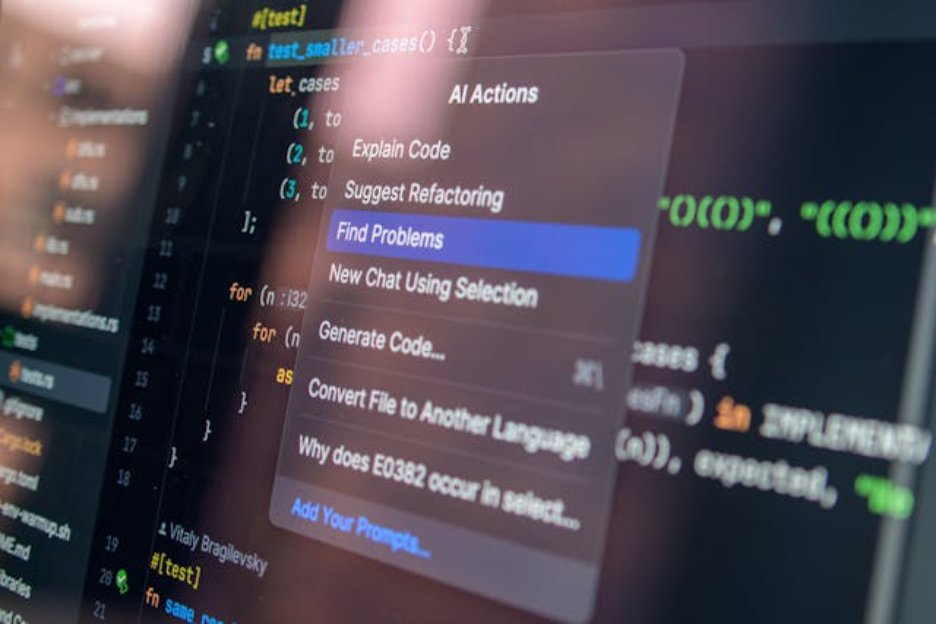
The Shopify AI Toolkit is a developer tool. It gives AI agents access to documentation, schemas, and CLI-based store operations. You can't simply connect it and ask "update all my product prices by 10%" through a natural language chat interface unless you're working inside a technical environment.
The honest summary: this is a capabilities layer, not a governance layer.
It is somewhere in between, but leaning toward big and the trajectory matters more than the current state.
Right now, this tool is mostly for people who know how to code.
Even though setting it up only takes a few minutes, it’s not like downloading a game and clicking “play.” You need to know special computer skills, kind of like knowing a secret computer language and how to type special commands.
So for most regular store owners, it’s still a bit tricky to use.
But one thing is clear: this is where things are heading.
Shopify has built its system in a way that AI can actually run parts of your store, like helping customers shop, finding products, and even handling checkout.
.jpg)


M Khizar is a writer enjoys making complicated things feel simple. He writes about warranties, ecommerce, and the small details people usually overlook, until they matter. His work focuses on clarity and helping readers make smarter decisions without overthinking it. Outside of work, he enjoys reading, writing personal blogs, and binge eating with friends.