.jpg)


It’s a normal workday.
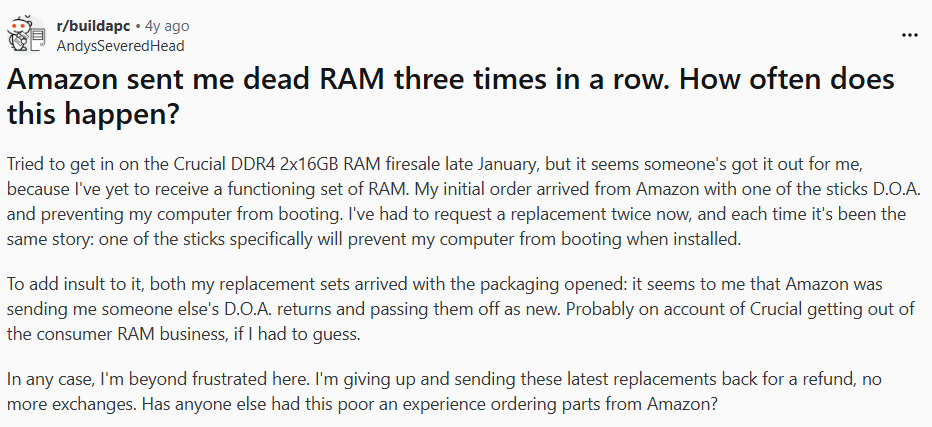
You’re going over work updates when a support ticket comes in.
“Product doesn’t turn on. They tried multiple outlets and turning it on and off already.”
You sigh deeply, thinking “This is going to be a long day.”
DOAs feel painful, expensive, and disruptive when they’re not handled cleanly. This is because everything that comes after the ticket is raised is nightmarish: the warehouse checks, managing customers, all the slack messages and the internal debates.
But it doesn’t have to be this tough.
Let’s go over why DOA issues happen, and what you can do to make the process easier for the next time it happens.
Industry benchmarks place DOA rates around 0.5 to 2% for electronics and high-value products.
That percentage might sound small if you’re managing 20-30 orders a week at max. But if you’re looking at numbers higher than that, especially in the hundreds or even tens of thousands, the problem becomes much more significant. For large, enterprise-level volumes, the issue becomes a steady operational drain, not a rare exception.
DOAs don’t just happen out of nowhere. The issues crop up because of two major slip-ups:
If the product has literally never worked, even before shipping, it’s probably an issue from the manufacturer’s side. Even if the manufacturer is known for their excellent standards, they can still produce items that sometime miss the mark. The best factories might have a few bad items because 1 step out of 20 went haywire.
The manufacturers themselves acknowledge this; that’s the reason why standard warranties exist in the first place. But those warranties only protect the consumer and their brand, not you – the merchant.
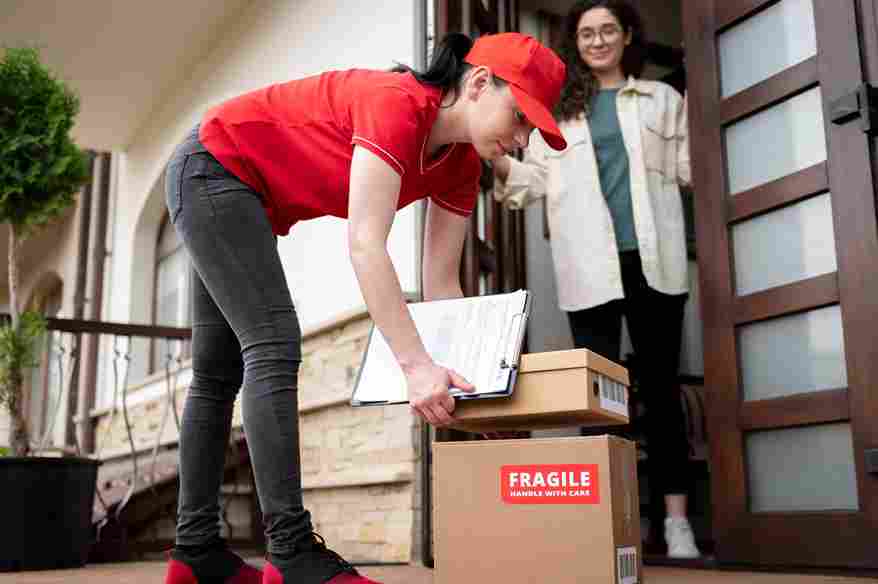
Sellers have to pick up the pieces whenever a problem with the product occurs. Somebody has to take care of the cost of shipping the item back and all the reverse logistics in between. And this duty falls on your shoulders.
Things get lost in transit a little too often. According to industry data, merchants faced approximately $4 billion in lost products and claims in 2025. One Etsy seller detailed their recent experience with DOA:
“I sell houseplants and a package got lost in the mail for a few days. I refunded the buyer because I knew at that point the plant would be in poor shape or DOA after two weeks in transit. I just asked that if the package ever does arrive to take pictures of the box if damaged and then of the plant so I can file a claim with the post office. She agreed. She got the package today and said it was in poor shape which was expected. She then stated she was going to try to find someone to help her take pictures because she is in her 70s and doesn’t know how to do that.”
Another major cause of frustration is the damage that happens during the shipping process.
Roughly 3 to 4% of shipped packages, or 1 in 25 items, arrive with some form of damage, even in mature logistics networks.
So if you’re managing 50 orders a week, that’s 2 damaged packages (which could result in DOA). If you’re looking at 5000 orders instead, the number is now 200.

And the reverse logistics costs tend to rack up. Processing a return costs about $25 per unit on average. That number can increase because of all the variables involved, such as labor, inspection, repackaging, and customer support time.
The National Retail Federation ran a survey to look into shipping damage, and how much it hurts consumers and merchants. Their data found that processing returns costs merchants anywhere between 20 to 60% of the item’s value.
That number can hurt any business, big or small.
The DOA problem doesn’t just happen to smaller businesses. While large businesses have better control over their supply chain network, it doesn’t make them safe from product issues. A study on consumer expectations found that most customers perceive enterprises to be more powerful than SMBs.
This research matters because the natural thought process customers have is: “If they’re so big, why is this still happening?”
In the same study, they also found that SMBs are expected to have better customer support and a more friendly attitude “due to it seeming more communal”.
When you’re dealing with all the moving parts involved with DOAs, staying happy-go-lucky is difficult (to say the least).
While you can’t fully prevent manufacturing defects or shipping damage from happening, you can make the returns process easier and more affordable for yourself. A good way to ensure that is by looking into shipping insurance.
Think of shipping protection as the safety harness for your business. It won’t stop someone from slipping, but it could save your business from the pain of major accidents.
When you’re dealing with a DOA scenario, this is how the outcomes differ:
Reliable shipping protection partners like SureBright manage the reverse logistics process for you, while giving you transparency the whole time.
Dead on Arrival incidents are inevitable in ecommerce and logistics, but they don’t have to be unmanageable or margin crushing.
Once you accept that DOA is more of a supply chain plot twist than a business flaw, you can build resilience, protect margins, and maintain trust (even when the unexpected happens).
If you’re looking for more information around improving claims processes, check out what other merchants have to say about Amazon’s return policies or what they avoid when building a warranty program for managing returns.