.png)


If you land in a new city ww with no booking, hop into a cab and ask the driver ask the driver where to stay, chances are he’ll know “the best hotel in town” without even blinking.
Now swap the cab driver for ChatGPT.
Shoppers ask AI for the best cordless vacuum the same way tourists ask cabbies about dinner, and they trust the answer just as much.
But a recent study traced 106,758 sources behind “best X” answers on ChatGPT, Google’s AI Overview and Perplexity and found that one in four of those sources disclose a commercial interest on the page. Most of the pages feeding AI recommendations are affiliate review page, that is, pages where a publisher tests products and earns a commission when you buy through its link.
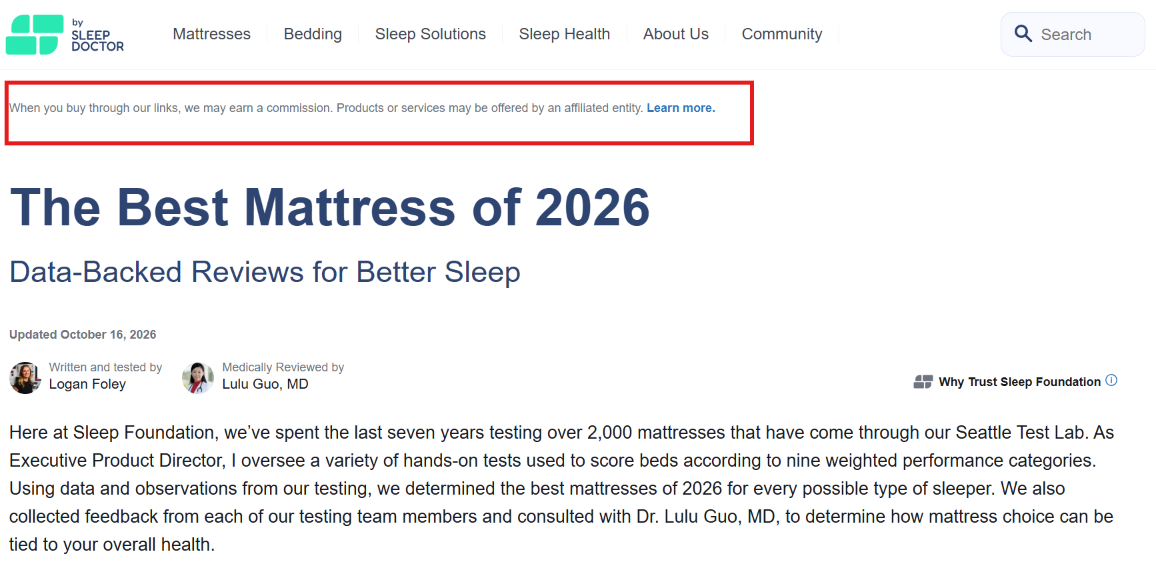
And many cases are less subtle than you’d think. I searched “best mattress” on Google, and its AI Overview recommended Sleep Foundation as the primary source. Upon opening it, the page displayed the label “When you buy through our links, we may earn a commission. Products or services may be offered by an affiliated entity.”
.png)
To be fair, the publishers aren’t hiding anything. The label is right there at the top of their page.
That would make anyone think that AI product recommendations are biased. But are they? If so, how can you use them to get featured?
Let’s look at which publishers are shaping AI product recommendations in your category, so you know exactly whose attention to earn, what value to offer, and how to get your products right into the AI’s sight.
In this guide, we’ll explore all that and more.
But before that...
When a shopper asks ChatGPT for the ‘best treadmill’, the AI runs a few quick searches, reads a bunch of pages, and serves up a neat little list of recommendations. It’s pretty much like a cabbie who has never eaten at a single restaurant but knows which are the best ones in town based on the flyers he read.
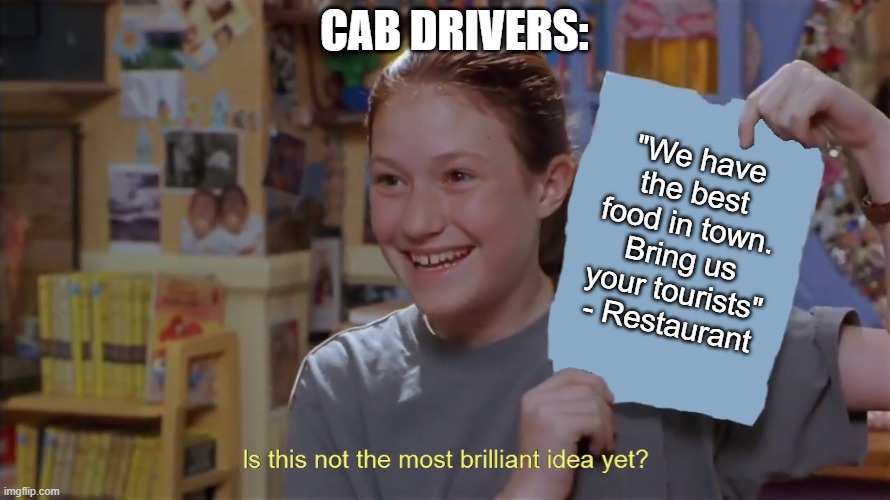
And these tools read a lot of flyers. Counting only sources the study could match to a page, nearly nine answers in ten (86%) use at least one commercial source, and ChatGPT does it most often (91%).
But not every commercial source looks the same, so here’s the difference. A commercial source is any page that discloses it has money riding on your purchase. That includes sponsored posts, paid-program pages and “in partnership with” content. The biggest group by far is affiliate reviews, where the publisher earns a commission when you buy through its link. Together, these make up one in four of the sources AI tools cite for “best X” questions, and most of them are affiliate pages.
If we look at a single citation instead, that order flips. Perplexity has the highest commercial share per citation at 31.1%, against 22.5% for ChatGPT. Perplexity leans on commercial pages more than any other tool. Almost a third of the sources it cites (31.1%) have a commercial interest, compared with 22.5% for ChatGPT. And in one Perplexity answer out of every six, commercial pages make up most of the sources behind the recommendation.
These so-called ‘flyers’ also tend to come from a few well-known names. The study found ten publishers, review brands such as TechRadar and PCMag and commerce sections such as Forbes Advisor, account for a quarter of all commercially disclosed citations.
These so-called ‘flyers’ also tend to come from a few well-known names. The study found ten publishers, review brands such as TechRadar and PCMag and commerce sections such as Forbes Advisor, account for a quarter of all commercially disclosed citations.

I know what you are wondering now; “why do these publishers with affiliated links get cited so often”. Well, we’ve got our next section dedicated to just that.
Nobody at OpenAI or Google decided that affiliate reviewers should run the shelf or at least they didn’t see the downside. It mostly comes down to who writes the pages the AI wants to read. Take away the hobbyists and the newsrooms, and most content on the internet gets made because someone gets paid for it. Testing 20 pairs of headphones, measuring their noise cancellation and writing 4,000 words on the results takes weeks of work, and almost nobody does that for the love of it. An affiliate publisher does, because every reader who clicks “buy” pays a little toward the next review. Poets would never have been poor if their poems came with a “buy now” link.
The share of commercial sources varies far more by what you ask than by which tool you ask. Some categories are practically run by affiliate reviewers, while others barely see them. Here’s a table to help you get a better idea:
Source: GetCited.
A thing to note here is that a low number doesn’t mean a clean shelf. In these industries, AI often cites company websites and business directories, where commercial interests may not be clearly disclosed. That makes them harder for the study to identify, so some commercial influence could be going undetected.
But how do you detect it?
This is what I call the Source Chip Audit technique. All you have to do is follow these simple steps to find out who has been bringing you or can bring you your customers.
I started with one of the most common questions in consumer electronics: “Best noise-cancelling headphones in 2026.” I put it to all three tools on the same day, with a fresh chat or a signed-out, incognito window for each, then opened every cited page to look for a disclosure.
Three things stood out for me.
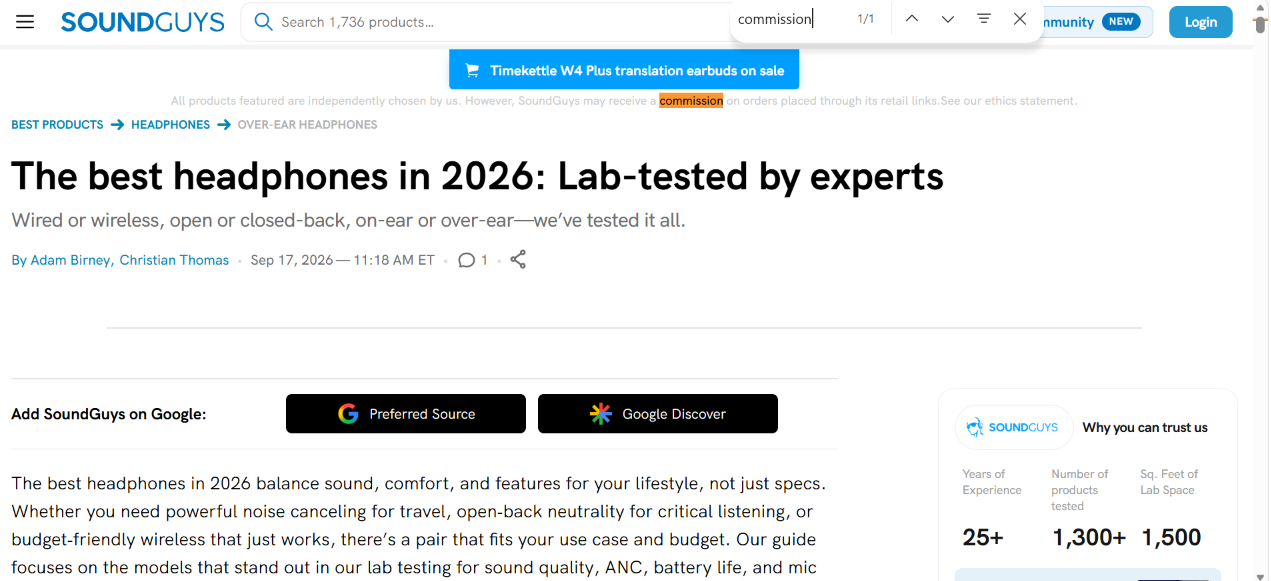
A note on method: this is a single query run once, so treat it as a snapshot rather than a benchmark. AI answers change between runs, and your category may look different. That’s exactly why it’s worth running the audit yourself.
That’s a very valid question to ask after all that work. Here’s what you can do:
Also a valid thing to ask. Here’s the rundown:
Your customers will keep asking ChatGPT, Google and Perplexity what to buy, and those tools will keep reading the same handful of reviewers before they answer. So stop guessing who’s recommending your products and go find out. Run the audit, learn which publishers drive your category, and give them something worth writing about.
.jpg)


M Khizar is a writer enjoys making complicated things feel simple. He writes about warranties, ecommerce, and the small details people usually overlook, until they matter. His work focuses on clarity and helping readers make smarter decisions without overthinking it. Outside of work, he enjoys reading, writing personal blogs, and binge eating with friends.