.jpg)


Every January, millions of people begin building their home gym for their fitness goals. Their first major purchase? Treadmills.
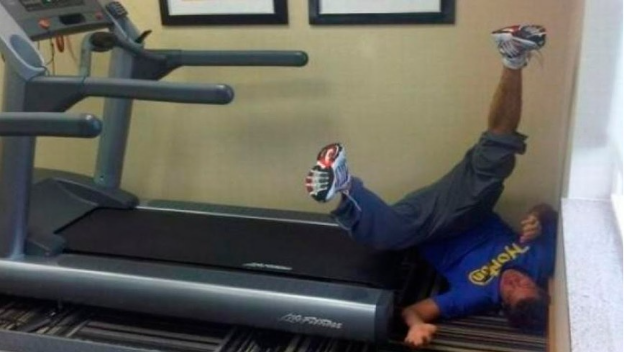
Unsurprisingly, around 80% of people abandon these goals by mid-February or sooner, sometimes due to machine failures. For sellers, this creates a dangerous setup where customers start fuming with rage because they think the product breaking is your fault.
Realistically, you haven’t failed the customers, but when equipment breaks, you become the easiest scapegoat. Let’s go over what you can do about it, and how treadmill warranties can help with aggressive buyers.
For around 60 to 96 million Americans, their treadmill is the embodiment of “this time, I’m serious.”
The problem? A lot of them tend to break their treadmills in the process. Nearly 78% of premature treadmill failures happen due to consumer negligence. And when that happens, customers get angry.

A minor glitch, an error code, or a screen that won’t turn on suddenly becomes the reason the resolution failed. Not skipped workouts. Not unrealistic goals. The treadmill.
“After my warranty ended, my expensive Peloton treadmill’s touchscreen display is 100% non-responsive. Called customer support, who matter-of-factly told me it would be $150 for a refurbished replacement or like $500 for a new replacement. No sympathy, no recognition of it being just barely out of sympathy, etc. It felt very much like they’re using a crappy piece of equipment as a new revenue stream.”
- A fitness enthusiast on Reddit
As the seller, you have to then find a middle ground between the brand and the consumer, who is ready to scream their head off at any moment.
Surely, there must be policies in place that can repair or replace the product right?
On paper, manufacturer warranties sound reassuring because they seem to more or less protect any defects in the product. This is, however, assuming that problems only happen in the first year of purchase and that no accidents ever occur.
In practice, they’re limited to:
Customers don’t care about clauses and conditions they didn’t read. They care that their treadmill doesn’t work, their routine is broken, and their goals stand unfinished.
And who do they contact? Not the manufacturers, nor the brand directly, but you (the seller).
Treadmill repairs aren’t catastrophic, but they’re never cheap enough to feel trivial. The average repair costs range from $100 to $600 for every individual machine. And yes, this happens even with the best equipment in the world. Naturally, consumers get defensive.
But as the seller, the price you have to pay is through the fallout. You get more complaints, more aggressive customers, and your support team might have to work overtime to communicate with the brand and the consumers.

The first question consumers ask is usually “What are you going to do about this?” Given the consumer’s heightened emotional state, how you behave after product failure matters. It could either become:
Extended warranty doesn’t stop treadmills from breaking. It stops sellers from being dragged into chaos when they do.
To help with any breakage because of the customers, accidental damage protection comes in handy. Consumers no longer feel their fitness aspirations being crushed if there’s a solution to their machines being fixed/replaced.
You don’t need to be the hero
Great customer service is always a plus, but you don’t need to bend over backwards. You just need to not be the villain in the customer’s story.
“I bought a brand new Sole treadmill from Dicks Sporting Goods and had it for less than 6 months before issue started. The warranty department was able to send me two new control panels and had a service technician come out once, at no cost to me. I would recommend forking the money out and having the extended warranty.”
- A reddit user
Notice what’s missing?
The treadmill still failed. The difference was how the problem was managed, especially with the help of the protection plan.
Reliable extended warranty providers like SureBright change the dynamic from: “My treadmill failed, and you failed me” to “Okay, here’s how we’re going to resolve this.”
These plans give customers (and you) a lot of breathing space by covering a whole range of issues.
Having extended warranty along with accidental damage protection makes managing customers a whole lot easier. It removes the burden of support and managing the repairs/replacements with the protection plan provider, not you.
Fitness goals come and go, but brand impressions stick. And you don’t need random customers holding lifelong grudges against you for something you didn’t do.
Preventing rant-y customers isn’t impossible. There just needs to be a solid plan for when it fails, and that’s what treadmill warranty does. It’s not just another upsell, but a reputational insurance policy for you.
If you’re looking into more ways to manage customers easier, be it for other fitness gadgets like smartwatches or for general tech protection, looking at resources online and getting word from trusted extended warranty providers will work like a charm.