.jpg)


Smartwatches are sold as devices you can wear through almost every part of life: workouts, workdays, office meetings, weekend hikes, and everything in between.
So it’s funny how often customers don’t opt for proper protection plans when wearables go through more extreme circumstances than, say, a laptop.
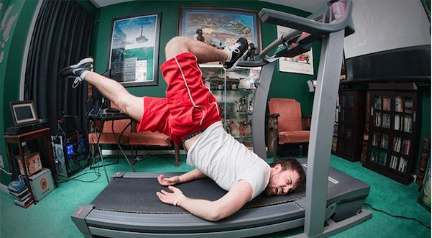
That mismatch of how wearables are used vs how they’re covered is what many quietly call “the warranty gap.” And this gap shows up in returns, customer frustration, and shrinking margins.
Let’s talk about why this happens, and what vendors who sell wearables can do about it.
Phones get replaced when they become too laggy or break. Earphones get thrown out when one side stops working. Smartwatches? They’re worn until an exhausting spin class results in a shattered screen.
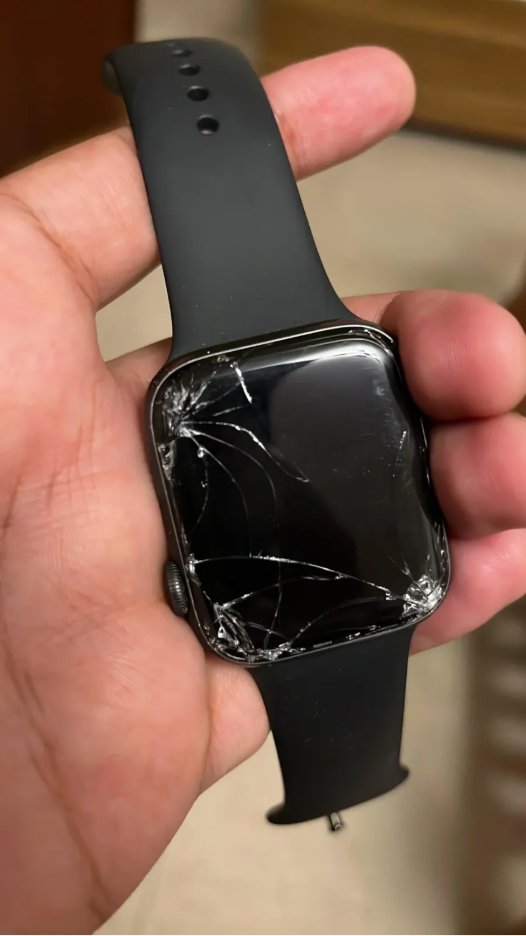
One major survey found that nearly 29% of consumers stop using their smartwatch because they broke it. That’s almost one in three smartwatches abandoned by people across the North America, the U.K., and Australia. That doesn’t mean the product is a failure across the board. Why? Because more than half of users in that same study reported daily wear.
“I used to think smartwatches were just overpriced toys… until I got one. Now I can’t go a day without checking my rings, steps, or heart rate. Anyone else get mildly addicted to closing those rings?”
- A redditor
Durability and long-term reliability are the most common concerns about wearables amongst buyers. But at the same time, it’s expected that the device will be worn across every physical activity the consumer undertakes. No perfect device exists (as of yet) that can survive having hot water run down from the shower, tumbles from rock climbing sessions, MMA classes with multiple takedowns, and from bumping into door handles when your brain goes into autopilot. Smartwatches come pretty close, but they’re not there yet.
If they go through daily use without any accidents, the standard manufacturer’s warranty would work fine. However, real life is filled with minor accidents like falls, bumps, spills, and more. The warranty gap is where returns start replacing repairs.
This results in the costs for returns racking up.

Handling a single return, with reverse logistics, inspection, restocking, and disposal, can easily cost a merchant $20–$30 before you even look at lost inventory value. For a compact used device like a smartwatch, resale after damage is rarely viable, so the losses feel tangible. Add that up across dozens or hundreds of claims, and it quietly eats margins.
A lot of users have theories about how specific features reduce the wearables’ durability, but these can be easily resolved if they were to attain proper warranties that actually cover accidents.
“The current smartwatch market has a gap due to manufacturers slapping OLED on basically everything.”
- A Reddit user
A big part of the warranty gap is assumptions. A lot of the marketing frames smartwatches as durable lifestyle companions. “Water-resistant” looks like “safe in all liquid situations.” “Shock-proof” often becomes shorthand for “won’t break when dropped.”
But warranty terms are written in legal language, not real-world language. So when a claim is denied because of accidental damage, you either accept the one-star review for no fault of the wearable, or you scramble to refund/replace the device. Neither approach scales well for merchants trying to balance policy integrity with brand trust.
If users understand warranty policies from the get-go, the process of repairing or replacing their smartwatches becomes much easier.
This can look like:
Keeping these safety measures can prevent massive losses for you in the long run.
The warranty gap exists because product usage evolved faster than coverage models did. Merchants end up managing the fallout: returns, refunds, support load, and policy disputes. But making consumers aware about warranties and accidental damage protection can make your life a whole lot easier.

Protection plans don’t eliminate risk. Unfortunately, nothing does. But they make risk manageable and expectations clear.
If you’re curious how similar coverage strategies help in other everyday-use categories (like furniture or appliances), check out our article on how accidental damage protection supports products that families with kids.



.jpg)