Wanna play a quick game of spot the difference?
I've got two USPS shipping labels sitting side by side. They have the same layout, barcode, font, and even the numbers look genuine. But one cost the sender around $12 and the other came from a shady website charging $2 flat.
And I bet you the sum of my lifetime savings - you won't be able to find out which one's fake.
Now you must be thinking, what makes me this confident?
Well, it's because the US Postal Service couldn’t find out either. These scammers are so advanced in making copycat labels that you have to step up your game if you want to keep up with them. Just take a look at what I mean -
So, no wonder that 97% of USPS counterfeit labels were still processed for delivery from October 2023 through February 2026. Those fakes cost USPS an estimated $3.1 billion in two years. That’s roughly enough to mail a block of cheese to every single person in America, on the house.

It's not just the higher ups, the people at the counter have also been upset with this outrageous inflow. One USPS clerk said it out loud on Reddit:
“For the past year we have been inundated with counterfeit shipping labels. To the tune of over a billion dollars worth last year.”
But counterfeit labels don’t only scam the post office. They scam sellers too.
Let's talk about Elena Wang for second. She ran a contact lens brand and bought hundreds of USPS labels at $3 each from a shady warehouse operator. A month later, one batch of her Temu shipments was seized by postal authorities, costing her more than $10,000 in lost products and a penalty from Temu for failed deliveries. Postage bargain turned out to be the most expensive kind for her.
But there's another lesson here: even a genuine security label can't protect you if nobody checks it. The USPS fiasco is a case in point. The Postal Service had scanners capable of flagging fake postage, yet many employees reportedly didn't use that feature.
So, what's the takeaway here for an online store like yours?
In this guide, we’ll explore just that along with which labels are worth paying for and when to skip them entirely. Then we’ll look at how they can backfire on honest sellers, and what it takes to get a real package safely to your customer’s door.
Short answer: faking has historically been cheap, and getting caught was rare. Also:
In other words, as long as nobody checked, cheating paid. That’s exactly what anti-counterfeit labels are meant to change. Also... just a heads up. Counterfeit labels are illegal. So, if you are caught, the consequences can be hefty -
To brush up, anti-counterfeit labels are security features added to a product or its packaging so a shopper, retailer or marketplace can confirm the item is genuine.
Here’s the lineup you’ll find in most anti-counterfeit packaging:
Every label on that list is only as good as the human or machine process checking it, which brings us back to the post office.
Let me tell you a little retail horror story.
"...I returned two dresses to SHEIN using their prepaid USPS labels. When I checked tracking, USPS said the packages were shipped with counterfeit postage and wouldn't be delivered...SHEIN refused to refund me... What worked: a credit card chargeback... the bank ruled in my favor and I got my money back finally."
This is what happened to a Redditor and you don’t need to be particularly unlucky to end up in a similar mess but on the other side of the situation.
So, how can you save yourself from this?
That's what an Inspector General looking into USPS tragedy went out to answer and what he found was a little embarrassing. Employees at 20 mail processing facilities had scanners that could detect fakes, but they weren’t always aware of that function or didn’t always use it. A New York postal worker even said that if a package wasn’t caught earlier, “it was not on us to do anything.” The checking existed on paper. In practice, everyone assumed someone else had done it or maybe, nobody had time for it.
Interestingly, your product labels face the exact same problem:
My honest take is that most stores don’t need fancy anti-counterfeit labels. The ones that do usually know it already, because they keep finding knockoffs of their bestseller with a suspiciously similar logo. Your answer depends mostly on whose name is on the box.
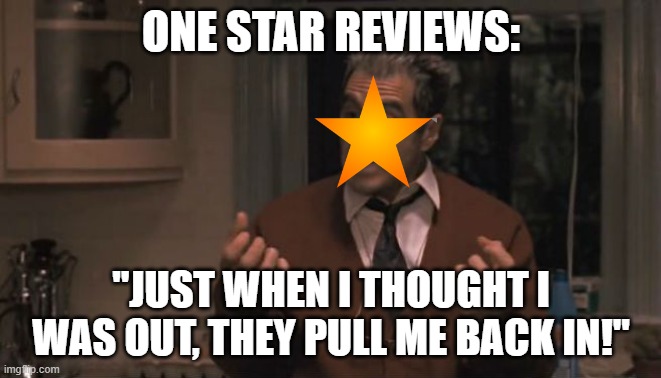
Labels earn their keep when a product is worth copying and the fake can do real damage. A fake e-bike battery can start a fire, and a fake serum can leave someone with a nasty rash. Guess whose listing collects the one-star review?
They also matter when warranty claims are involved. In “Operation Apple Rustler,” a crew stuck genuine Apple serial numbers on fake iPhones and had accomplices return them as faulty, so Apple swapped fakes for real phones. If your warranty process trusts a serial number on its own, a counterfeiter can claim a brand new product from you without ever buying one.
Pass on the hologram if your item is cheap and nobody’s copying it yet. A tamper-evident seal will do the job for a few cents, and if knockoffs show up later, here’s how to deal with copycat products on every major platform.
You can’t slap your own security label on someone else’s product, so your job flips from labelling to checking. Scan or inspect a sample of every new shipment against the brand’s verification tool before it goes live. And before you buy from a new supplier, ask one blunt question: “Do these units come with Transparency codes?” You’ll see why that question matters in a minute.
Every security system has a twin problem. The tighter it gets, the more innocent people it catches by mistake. Here are a few ways it happens with an ecommerce store:
The sticker price is the easy part. Amazon Transparency, the most common option for marketplace sellers, runs roughly $0.01 to $0.05 per code depending on volume, with brands under 1 million units a year paying the top rate. At that rate, a 5,000-unit run costs about $250.
Outside Amazon, pricing comes almost entirely from label vendors and varies wildly with what you order.
Now let's say you put all those tips to good use and bought genuine postage, your product carries a serialized code, and your supplier’s units passed every check.
The package can still vanish or become a subject of porch piracy. One USPS customer described a marketplace scam where a seller ships to a different address with delivery confirmation:
“Buyer has a hard time getting refunded because the delivery showed as complete.”
That’s the gap anti-counterfeit labels can’t close. They prove what’s in the box is real, but they can’t promise the box shows up. When it doesn’t, your customer calls you, not the label printer.
SureBright’s shipping protection lets your shoppers cover their order right at checkout, so a missing package turns into a quick claim instead of a refund fight or a chargeback. Your customer gets their peace of mind, and you keep the relationship.
Want to see how it fits your store? Schedule a demo with our experts.


M Khizar is a writer enjoys making complicated things feel simple. He writes about warranties, ecommerce, and the small details people usually overlook, until they matter. His work focuses on clarity and helping readers make smarter decisions without overthinking it. Outside of work, he enjoys reading, writing personal blogs, and binge eating with friends.