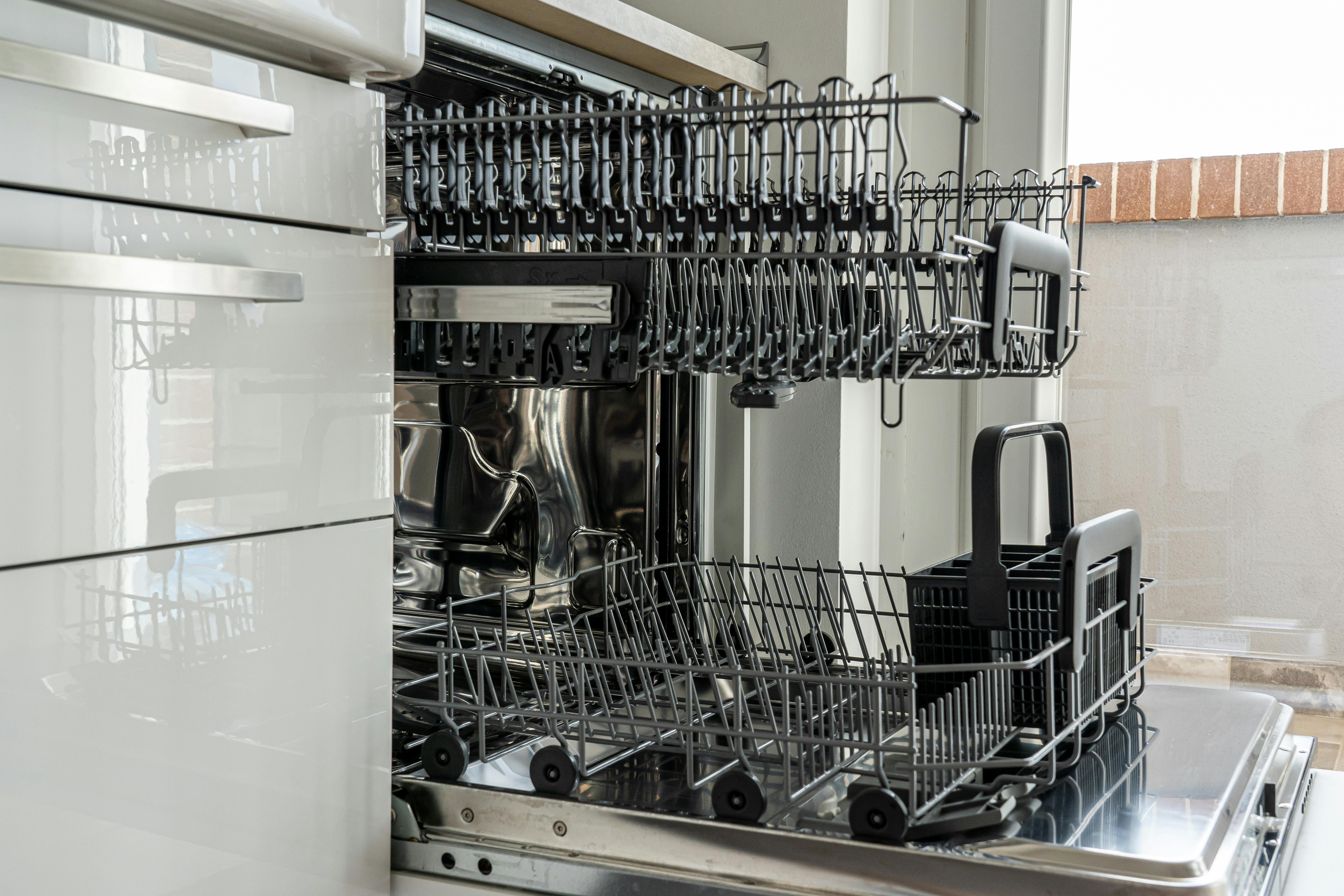


You’re loading up the dishwasher after a tiring day, you press start, forget about it until you walk into the kitchen and step into a puddle. The appliance you never want to think about suddenly demands all your attention.

Most people assume the appliance will work for about 12 years, but reports say that 23% break or stop working properly within five years. That's nearly one in four.
“We bought a Samsung dishwasher from Costco back in February 2020. We started getting a leak error on the interface a week or so ago. Had a repairman come take a look, but Samsung completely stopped manufacturing the part. We will have to order a new appliance when our old one didn’t even make it to 2.5 years. We are extremely frustrated with Samsung”
- A disappointed user on Bogleheads.
So what do you do when it dies, what do warranties cover, and when does extended protection make sense? Let's break it down.
Consumer Reports gathered data on 77,000 dishwashers to understand how reliable the appliances were. The findings? 21% said their appliance had broken down or stopped working.
The worst part is, problems have a habit of showing up in the 3-5 year window, right when you've gotten comfortable with the thing.

These problems partly show up because of our pesky modern ways.
Dishwashers from the 1980s were just mechanical tin boxes with no bells and whistles and almost no electronics. Simple, reliable, but nothing special.
Fast forward to 2026: we’ve got control boards, sensors, WiFi connectivity, and touch screens.
It's like making a pager compete with an iPhone 17 Pro Max. But unlike the old-timey pager, all the new moving parts make the iPhone more prone to breakage.
We don’t need to worry too much about this, though. We have more repair and replacement options today than ever before. The only caveat is that you’ve got to make sure the damage is covered.
Most machines and appliances come with a standard one-year manufacturer warranty covering some parts and labor. This might sound reasonable until you actually consider how long you’ll be using the machine.
Plus, these warranties cover manufacturing defects and component failures under "normal use." But what counts as normal? If you're running seven loads a week with a family of five, is that still normal?

Here's where the gaps show up:
Most manufacturers like Bosch and GE cover both components and labor for year one. After that? You're on your own for the most part.
Labor costs get real expensive, real fast, and good luck getting a repair tech out quickly. It feels like being stuck on hold forever, except the hold music is the sound of hand-washing plates night after night after night.
“My Bosch lasted 2 years, and the dishes never came out clean and always wet. The repairman came out multiple times could find nothing wrong with it, he said I was loading it wrong , so he showed we how to load, no different, then what I did, he said I used the wrong dishwashing detergent, was exactly what the manufacturer recommended, they strung me along until it was out of warranty”
- A frustrated Reddit user.
Remember that stat from earlier? 23% of dishwashers fail within five years. Most of those problems pop up after the manufacturer warranty expires, and unless you're an expert at appliance repair, this can make you consider spontaneous combustion.

In an ideal world, your appliances would last for a good 12 years, require little to no repair work, and never spill. Unfortunately, we’re stuck in reality.
Damage happens. Parts wear out.

The answer is, drumroll please, getting an extended warranty. They help you stay covered longer, especially during those problem-prone years three through five, and they cover both parts and labor.
Not just a one-time fix, but unlimited repairs throughout the coverage period.
When shopping for extended coverage, look for these must-haves:
Think of extended warranties like save points in a video game. You hope you don’t need them, but you're relieved that they're there when things go wrong.

"Be careful" has never actually prevented anything. Wouldn’t it be amazing if it did?
Even with an extended warranty, life happens. That's where accidental damage protection comes in.
This coverage handles the stuff regular warranties won't touch:
It's basically CTRL+Z for your kitchen. Because unlike your keyboard, real life doesn't come with a way to undo.

Accidental damage protection also covers everything extended warranty does, so going for it can make your life easier. Especially if you have kids and/or pets around, cook a lot, or just like having people over, it just keeps you from worrying too much.
Getting your warranty through a good place can reassure your nerves too. Trusted providers like SureBright cover most of the mishaps and damages, taking the guesswork out of the equation.

Protection for the machine that's supposed to make life easier just makes sense. Unlike unused app subscriptions, this is coverage for something that's much more likely to break.
Look at your situation. Consider the math. Think about your risk tolerance. Then make the call that works for you. Because the only thing worse than a broken dishwasher is a broken dishwasher you have to pay hundreds to fix right when the warranty just expired.
And if you’re a homeowner just trying to make it through life, protection plans can save you both money and sanity, no matter the appliance.





.jpg)