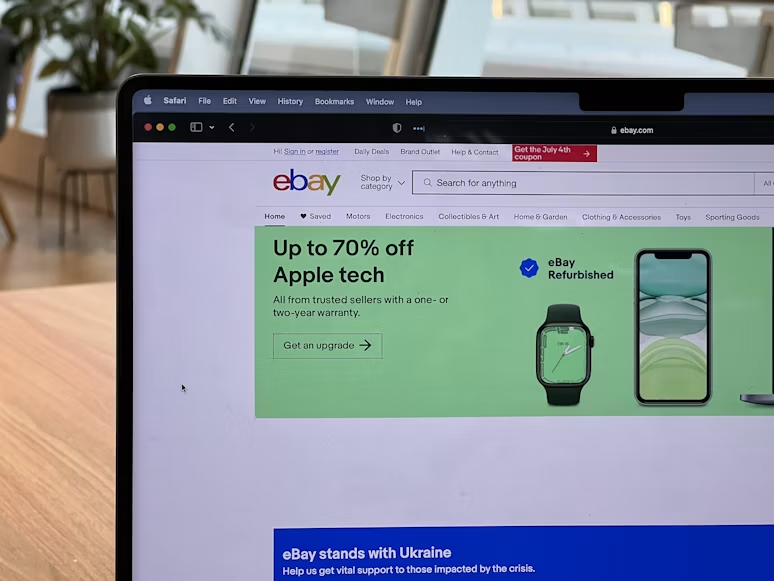


Subject: Account Under Review - Action Required
"We have identified a concern with your account related to the sale of stolen, counterfeit, or unsafe goods. Your inventory has been placed on hold, and your payouts have been suspended pending investigation."
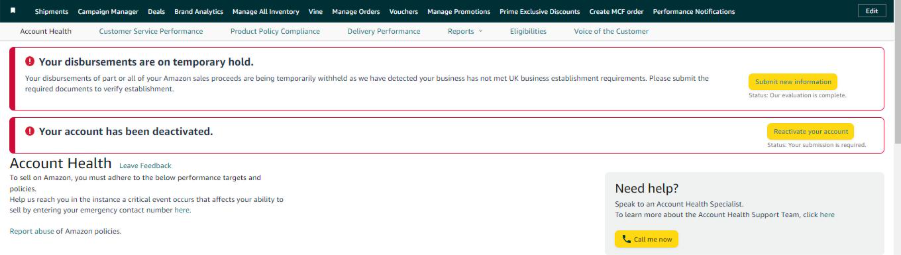
If you haven’t received that email from your e‑commerce platform yet, consider yourself extremely lucky. Since the INFORM Consumers Act took effect in 2023 to counter the online sale of stolen, counterfeit, or unsafe goods, nearly three million third‑party merchant accounts have been held hostage or killed on mere suspicion.
But you’re an honest merchant, why should you care?
Because on an online marketplace, a product problem can spread much faster than its explanation. A $40 lamp flatlines after three days. A one‑star review lands like a brick through a storefront window. The enforcement machine hums to life and bans you from the site.
You might think, “Fine, I’ll just appeal”. Here’s the plot twist that should keep you up at night: out of the 40,000 suspended accounts, only about 20,000 ever got revived after an appeal.
That is the kind of indiscriminate merchant account banning is what the Online Sellers’ Bill of Rights Act of 2026 is trying to stop by forcing transparency and due process into the takedown machine.
Here's how it rewrites the rules of that game, starting with the moment a merchant's account first gets flagged.
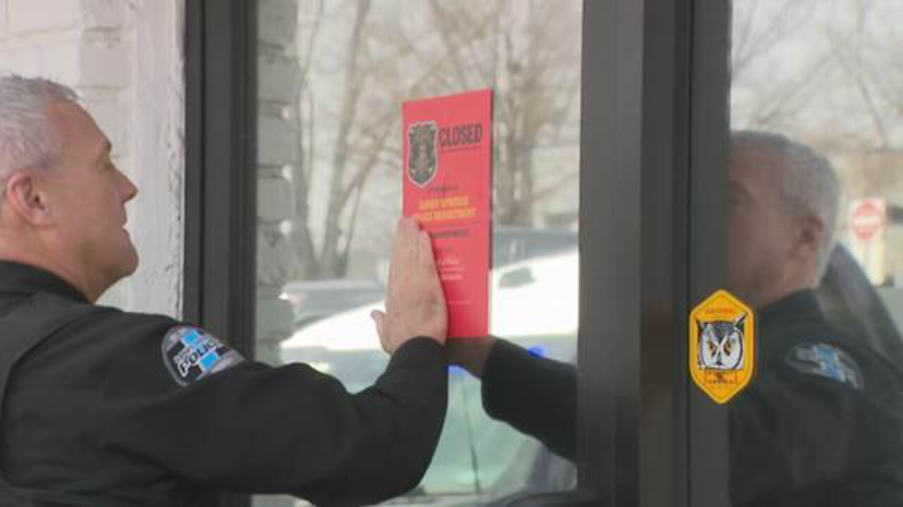
Right now, marketplaces hold sweeping power over online merchants on their platform, exercised in the name of protecting buyers. It punishes the guilty, but honest sellers get swept up right along with them, as happened with this merchant:
"I recently sold a camera lens on eBay. I listed the item normally, shipped it with tracking, and the tracking shows that it was successfully delivered. The buyer also messaged me confirming that they received the item and thanked me. There have been no complaints or disputes from the buyer.
However, eBay suddenly suspended my account. I contacted customer service and appealed the suspension, but they denied the appeal."
Situations like this highlight the need for a transparent suspension and review process, so merchants are not left guessing what went wrong. The fate of your business shouldn’t depend on the platform’s AI’s shenanigans.
The bill’s idea of “fair and transparent” is simple: remove the ambiguity. No more shoot-first, ask-questions-later suspensions. Under the proposed rules, major e-commerce platforms must send written notice within 72 hours of freezing inventory or funds, explain exactly which policy was violated, and give sellers a meaningful opportunity to respond before the suspension takes effect.
For merchants, that turns a black-box takedown into a documented case file. Instead of receiving the dreaded “your account has been deactivated” email and being left to play detective, a seller would get a notice explaining the policy violation and the evidence behind it, along with a clear appeal timeline.
The bill also puts a clock on how long platforms can keep inventory and payouts frozen based on suspicion alone. In most cases, that window would be capped at 30 days unless the platform can show that the goods are counterfeit or otherwise unlawful. Once that period expires, the funds and inventory must be released.
But that same safety net is exactly what has the e-commerce platform's side of the table worried.
The bill's motive of injecting the serum of justice has also created an unintended side effect.
Tyler Fields, in his “The Online Sellers’ Bill of Rights Has a Counterfeiter Problem,” argues the very rules meant to protect sellers double as cover for the ones causing the damage. From a platform's seat, the 30-day cap on inventory and fund holds hands counterfeiters a "procedural runway," extra time to keep selling while the platform builds a case strong enough to survive appeal.

Their core claim: the sellers who benefit most from a higher standard of proof are the ones enforcement teams have spent years trying to remove. That concern is evident in cases such as Amazon's 2024 lawsuit against operators accused of abusing trademark protections and filing false complaints to remove competing sellers from the marketplace. Stricter evidentiary requirements, as outlined in the new bill, could slow action against similar bad actors.
So the risk isn't hypothetical for the customers who already sit on the receiving end of weak counterfeit enforcement. One Amazon shopper who said they had received counterfeit products from the platform wrote:
"I've received counterfeits from Amazon for at least 3 different products one of which was a battery pack (go search the makita thread for pics). My question is who do I report this to? I reported it to Amazon's internal counterfeit team, but I have no confidence in them as they removed my review showing pictures of the counterfeit products I received."
Disclosure is another sore point. Requiring platforms to share the specific facts and documents behind a suspension, with no generic or templated responses allowed, sounds like pure transparency. But it could also expose the brand owners who filed the original complaint, leaving them open to retaliation and making rights holders more hesitant to report fakes.
These pain points make it harder to shut down a bad actor. The real nightmare for a platform's lawyers is the teeth this bill hands the merchant instead.
Notice and evidence sound like the start of a settlement process. But in the bill's back half, the tone shifts from apology to invoice.
The bill treats a violation as an unfair method of competition under the FTC Act, a label that sounds like paperwork until you see what rides in on it. The FTC gets 180 days to write real enforcement rules, backed by civil penalties it can pursue on its own dime. State attorneys general get standing too, which means one bad pattern of suspensions can summon an entire state's legal apparatus, not just one angry seller with a spreadsheet.
The real punch is in a single clause: a harmed seller can sue in federal court, arbitration agreement or not. That gives merchants a stronger lever when challenging platform decisions.
For years, online marketplace contracts have herded every complaint into private arbitration, a room the platform books and usually wins. As one Amazon seller describes:
“Amazon wins not because they are right, but because they have engineered a system that is too expensive and too confusing for a small business to challenge.”
This bill kicks the door off its hinges. The seller gets a public courtroom, a judge who's never taken the platform's money, and a shot at triple whatever the suspension cost, plus legal fees.
A bill that rewrites the rules of the fight says nothing about one thing: what still counts as a foul, and who still gets to call it?
Despite its strong provisions, the bill sets clear limits on where they apply.
It never redefines what counts as counterfeit or unsafe. That call still lives inside trademark law and whatever a platform's own policy doc happens to say this quarter. A seller can demand evidence and a deadline now, but the line they supposedly crossed is exactly as blurry as it was before the bill existed.
The accumulation problem goes unanswered too. The bill only governs a single suspension at a time, which means a seller can win the individual dispute and still stay trapped in the same enforcement and appeal loop. One Amazon seller described what that cycle looks like:
"Every few weeks I get hit with an authenticity complaint. The listing gets suppressed or the inventory gets blocked. I appeal, I send the same documentation I've sent before, and every single time the appeal is approved and the listing comes back. Then a few weeks later it happens again."
Winning on repeat doesn't count for much either. Amazon and eBay already reserve a separate, harsher tier of punishment for sellers with a history of repeat violations and nothing in this bill limits that. eBay, for instance, places sellers in ‘Top Rated’, ‘Above Standard’ or ‘Below Standard’, with ‘Below Standard’ sellers facing selling limitations and higher platform fees.
The trigger behind account suspension stays just as opaque. Notice and clocks only start once a platform has already pulled the trigger and taken action against the account, not before. One Amazon seller described what it's like when the trigger itself is a black box:
"Maybe it was one word, maybe it was an image, or maybe the AI just got it wrong. This is the annoying part with Amazon now. You are not always fixing a real problem. Sometimes you are just trying to figure out what Amazon thinks the problem is."
None of that is an oversight. Narrowing the fight to process instead of substance is what got the bill this far. The harder questions are still sitting there, waiting for whoever writes the next draft.
The bill doesn't settle the conflict between merchants and online marketplaces. It moves it to a different battlefield, one with paperwork instead of ambushes.
But for a merchant whose livelihood depends on his ecommerce accounts, it changes the risk of selling on an online marketplace. A wrong decision can still disrupt a seller’s business, but he is no longer expected to absorb that disruption without explanation or recourse.
That matters because marketplace dependence leaves merchants with very little bargaining power when something goes wrong. The bill gives them a stronger position without asking platforms to stop policing their marketplaces. It draws a clearer line between enforcement and accountability.
Yes, regulators and courts will have to determine how the new rules apply to real disputes, repeat violations, and counterfeit claims. But merchants would enter those disputes with stronger legal leverage than they did before.
That makes the bill significant even without solving every problem. It gives sellers more certainty when enforcement goes wrong. Merchants can add another layer of protection with a warranty program that gives customers a clear path when products fail, reducing the complaints that can turn into bigger problems.


Pushpender enjoys exploring the stories behind everyday decisions. He writes about warranties, ecommerce, and the psychology of buying. He draws on internet research, lively conversations, and a curiosity for the details most people overlook. With a background in English Literature, he believes good writing isn't measured by how complex it sounds, but by how effortlessly it helps someone understand a complex idea. Outside of work, you'll usually find him reading fiction and history, striking up conversations with people from different walks of life, or jotting down ideas inspired by both.