Last year, Sarah stared at her Shopify dashboard on January 3rd. December had been her best month ever- Black Friday through New Year's had generated $847,000 in sales for her outdoor apparel brand. She'd tripled her usual revenue.
Then she looked at her review count. Still sitting at 47 total reviews. The same number she'd had in October.
"I just served 3,200 new customers," she told me over coffee, "and got exactly zero reviews from them. My competitors with half my sales have 500+ reviews. I basically wasted the entire holiday season."
She's not alone.
Black Friday 2025 shattered records. U.S. online sales hit $11.8 billion, with 197 million shoppers making purchases during Thanksgiving week. If you're a store owner, you likely rode this wave-maybe even saw your best sales day ever.
But here's the uncomfortable truth: most of those sales are already forgotten.
Your customers have moved on to the next deal, the next purchase, the next dopamine hit of holiday shopping. And unless you act fast, you'll have nothing to show for those sales except a temporary revenue bump.
The solution? Reviews. Lots of them. Starting now.
Let's cut through the noise with some hard numbers.
85% of consumers trust local business reviews, and over 99% consult them before choosing a business. Think about that. Nearly every single person who considers buying from you will check your reviews first.
The benefits are clear as day:
And the effect compounds. Just a small rise in rating-such as 4.2 to 4.4 stars-has a meaningful impact on sales.
But there's the problem: 51% of consumers mean to write more local business reviews but simply forget, while 47% say they're too busy.
Your Black Friday customers want to help you. They just won't do it unless you ask.
Here's what happened during Black Friday 2025:
What does this mean for you? You just served hundreds or thousands of customers who:
This is your moment. But timing is everything.
Harvard Business Review conducted experiments on optimal review request timing. Their findings challenge conventional wisdom: Immediate reminders (one day) lower the likelihood that customers will post reviews, whereas delayed reminders (13 days later) increase the likelihood.
Why? Psychology. Asking too early feels pushy. It violates the customer's sense of autonomy. Issuing review reminders immediately or shortly after purchase may threaten a consumer's freedom and prompt an adverse reaction.
But wait too long, and they forget. 85% of all consumers surveyed consider reviews older than three months irrelevant.
The sweet spot depends on what you sell:
For most e-commerce products: Send a request for reviews approximately one to two weeks after a purchase.
But dig deeper:
Physical products by category:
Services:
Send the invitation soon after a happy moment-that could be right after purchase, or ideally, once the product arrives and they're enjoying it.
For Black Friday purchases specifically, here's your timeline:
Research shows specific tactics dramatically improve response rates:
1. Timing within the day matters
Research into over 150,000 reviews found that 2-3pm and 6-7pm were the best times to ask for feedback.
The best time slot is between 10am and 2pm-this timeframe captures people on their lunch break when they have a little extra downtime. 6pm can be another peak time when people have finished their workday.
2. Day of week strategy
Scheduling your post-purchase emails on a Wednesday or Saturday seems to give it the best possible chance of generating a review.
3. The power of follow-ups
Don't stop at one email. Up to 80% of all reviews come from post-purchase emails, especially if you ask more than once.
The data on generations is telling:
The takeaway: If your customer base skews younger, always send at least two emails asking for reviews, if not three.
Recommended sequence:
4. Keep it simple, really
The ideal survey length for customers is between 7-10 questions. Survey completion rates drop to between 5-20% if a survey takes longer than 7-8 minutes to complete.
Don't make them work for it. Include:
5. Personalization increases response
Reference their specific purchase. Use their name. Make it feel like a real request from a real human, not automated spam.
Example:
"Hi Sarah,
How's your new winter coat working out? We hope it's keeping you warm during these cold December days.
We'd love to hear what you think-your feedback helps us improve and helps other shoppers find their perfect coat. Could you spare 60 seconds to leave a quick review?
[Direct Review Link]
Thanks for choosing [Your Store]!
The Team"
The data here is mixed, but clear patterns emerge:
72% of reviewers write local business reviews to reward the business for great service, while 60% write reviews to warn their communities of the business's bad service.
People write reviews for three reasons:
Incentives work, but use them carefully:
Do:
Don't:
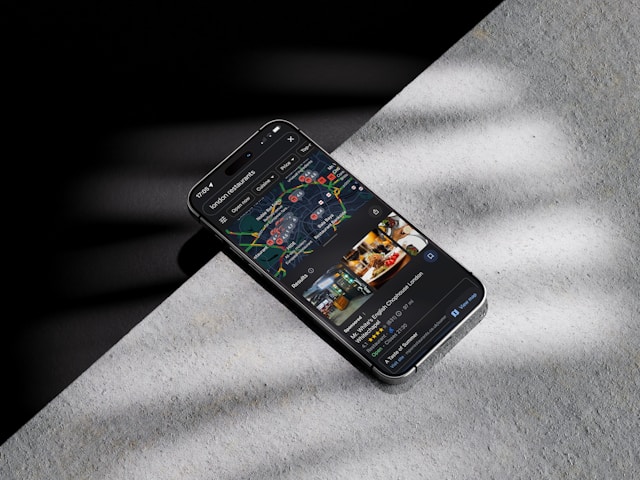
Not all review platforms are equal. Focus your energy strategically:
67% of consumers trust Google-based reviews the most, followed by Amazon (47%), Yelp (41%), and Facebook (34%).
Google Reviews dominate, with 81% of shoppers checking them first.
When reviews are shared on social platforms, the conversion rate is 5.3 times higher for LinkedIn, 8.4 times higher for Twitter, and 40 times higher for Facebook.
88% of respondents view a business's response to reviews as ranging from slightly to extremely important, and 70% of people state that a business's responses to reviews impact their purchasing decision.
Yet most businesses fail here. 53% of customers expect a response to negative reviews within a week, yet 87% of businesses don't meet this expectation.
For positive reviews:
For negative reviews:
Remember: One negative review can cost a business 30 customers, and one negative review requires 40 positive reviews to outweigh the damage it has caused.
Work at a mature business? Skip this section.
You can't manually track and send review requests for hundreds of Black Friday orders. You need systems.
Essential tools:
Set up automated triggers based on:
Your Black Friday shoppers are unique:
1. Many are first-time customers- They don't know you yet. First reviews from new customers are especially valuable because they represent first impressions.
2. They bought gift items- If someone bought a gift, they can't review the product itself, but they CAN review:
Adjust your review request accordingly.
3. They may have buyer's remorse- 31% of consumers plan to spend more this Black Friday than last year. Some over-spent. Be sensitive to this in your messaging.
4. Returns are coming- The return window for Black Friday purchases often extends into January. Consider delaying review requests for high-return categories until after the return period closes.
Measuring success: what good looks like
42% of consumers almost always leave a review after transacting with a local business, while 39% say they sometimes will leave a review.
Realistically, you should aim for:
Only between 5% and 10% of customers actually pen reviews, but these reviews influence approximately 20% of sales.
Track these metrics:
1. Asking too soon- If a customer orders clothing online, it is too early to send a review reminder the day the product is delivered because people need sufficient time to try the item on and evaluate its quality.
2. Making it too hard- Every extra click costs you reviews. Make it one-click easy.
3. Only asking happy customers- You need a representative sample. Filtering for only positive experiences creates bias and damages trust.
4. Ignoring negative reviews- These are your biggest opportunities to show you care.
5. Stopping after one email- 51% of consumers mean to write reviews but simply forget. Gentle reminders work. They really do, yes, when you may consider them impolite.
This Week (Week 1 - December 9-15):
Next Week (Week 2 - December 16-22):
Week 3 (December 23-29):
Ongoing:
Your Black Friday sales spike was exciting. But without reviews, it's a one-time event.
With reviews, every Black Friday purchase becomes:
When shoppers engage with reviews, there is a 144% lift in conversion rate and a 162% lift in revenue per visitor.
The customers who bought from you in the holiday frenzy are your best source of reviews. They're motivated, engaged, and willing to help-if you ask at the right time, in the right way.
You have about 30 days to capture this opportunity before it vanishes. The clock is ticking.
Start asking.
Choose one thing from the action plan above and do it today. Not tomorrow. Today.
Whether it's setting up your Google Business Profile, drafting your first review request email, or simply responding to existing reviews-just start.
Because in six months, when next year's holiday shoppers are reading reviews to decide where to buy, you'll either wish you had started today, or you'll be grateful you did.