Amazon has launched a tool to help customers figure out whether messages claiming to be from Amazon are real. The company says around 360,000 customers contact its support team every year with exactly that question: is this message genuine, or is it a scam?
The irony is that AI is now helping both sides of the problem. Amazon is using it to help customers identify scams, while scammers are using the same technology to make their messages more convincing.

Think about what this means for the upcoming holiday season. With millions of users, scrolling, shopping, and checking delivery updates, it’s basically a huge ocean out there. And scammers don’t need to be smart. They just cast the net and hope someone clicks. Any fish in the sea works for them. Sometimes that fish is… us.
And this isn’t the first time. Remember Prime Day?
Researchers found 120,000 fake Amazon websites created just to trap shoppers. Fake login pages, fake deals, fake support portals… all waiting for people rushing through checkout. So, if it happened then, why wouldn’t it happen now, during the biggest sale weekend of the year?
Fortinet’s FortiGuard Labs found more than 18,000 holiday-themed domains registered in just three months. Christmas, Black Friday, Flash Sale, basically all the usual bait.
At least 750 of those were confirmed malicious. And another 19,000 domains were built to imitate big retailers, Amazon included, with 2,900 malicious ones already identified.
But Amazon is just the elephant in the room because it’s big, loud and impossible to miss. But pretending the rest of the room is safe would be a mistake.
Every major retailer becomes a potential target during the holiday rush, and the scam patterns are kinda same across the board.
If we want to avoid falling for these traps, we need to be a little more intentional this week.
Here are a few simple ways to prevent yourself from getting scammed this Black Friday and Cyber Monday.
Scammers often create websites that look almost identical to major retailers. The layout, colors, buttons and logo can all seem real at first glance. The giveaway usually isn’t the design. .
Most fake websites hide small changes in the URL address, hoping people won’t notice.
Common signs include:
The last one catches even those who think they’re being cautious. One Reddit user waiting for a package said they were “half asleep” and “only double checked the link until dhl.de” before entering their details and paying a 0.27-cent redelivery fee.
The simplest way to avoid this is to go directly to the retailer yourself. Instead of clicking on a link from an email, text message or social media ad, type the official website manually into your browser or use the retailer’s mobile app.
Before entering payment information, check that the website’s domain matches the retailer you intended to visit. A URL beginning with https:// only means the connection is encrypted. It does not prove that the business is genuine. Fake shopping sites can also use HTTPS and copy a legitimate retailer’s branding to appear trustworthy.
A lot of scams during Black Friday rely on pressure. You might get a text or email saying there’s a problem with your order, a delivery has been delayed, or your account needs verification “right now.” These messages use words like urgent, immediately, or action required to push you into clicking before you think.
Most of the time, that urgency is the scam. And don’t let perfect grammar delude you, because scammers are now using AI to write clean messages.
Real companies might alert you about an issue, but they won’t ask you to fix it through a random link in a message.
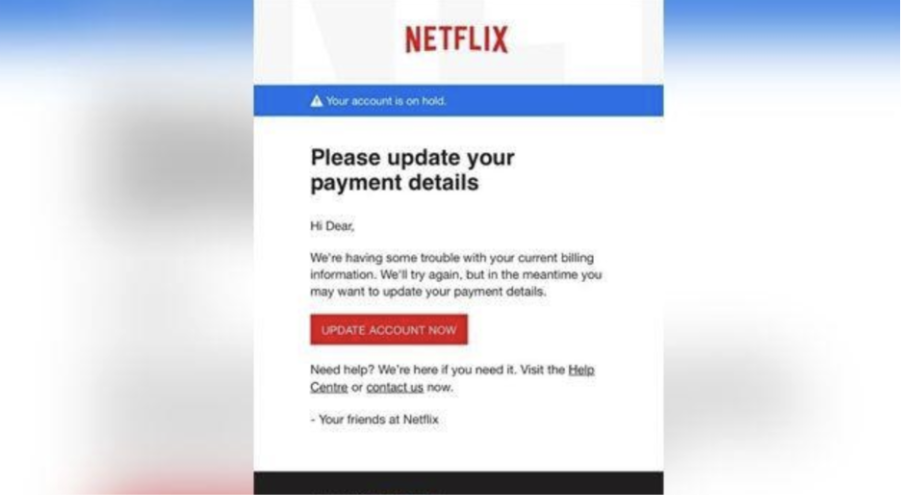
For example, take a look at the picture above. If you saw this in your inbox, it would look real at first - the same logo, same colors. But it’s fake. A few things give it away:
When in doubt, just open the app and check your account yourself. If something still looks wrong, contact support through the official site. On Amazon, check your Message Center. If the email isn’t there, Amazon did not send it.
You know that moment when you’re scrolling Amazon and suddenly see something crazy like a $250 pair of Bose headphones going for $49.99?
Our first reaction is, “No way… but also… kinda convinced that it might be true.”
This happens a lot on Amazon, especially when the seller isn’t verified or has barely any history. High-ticket items like iPhones, Switches, home appliances, tablets and monitors are the easiest bait.
And counterfeits don't always look cheap. They are often discounted just enough to seem real. Though with some brands the tell is the warranty, which only covers purchases from authorized dealers.
Before you hit “Buy Now,” sanity-check the basics:
Real discounts happen, but premium products rarely drop to 70% or 80% off from unknown sellers. A quick seller check and price comparison protects you from most fake or non-delivery scams.

How you pay says a lot about how safe the transaction is. If a seller wants gift cards, crypto, wire transfers or anything that can’t be reversed, that is usually your sign to walk away. Those payment methods are the scammer favorites because once the money leaves it is gone. Even a few-cent "redelivery fee" can be a trap to grab your card number.
Even with normal online shopping, try not to use your debit card. If something goes wrong, the money comes straight out of your bank account and getting it back can take days or weeks. Not fun, especially during the holidays.
Credit cards are safer because you get fraud protection and chargeback rights. If a scam happens, the bank steps in and you are not fighting for your own money. Digital wallets like PayPal, Apple Pay and Google Pay also help because they hide your actual card number.
Scams don't only live on shady websites. Norton found 54% of US shoppers bought straight from social media ads, and some scammers now run AI-generated video ads that lead to fake stores.
Even on Amazon, Walmart or eBay, walk away if a seller:
Scammers know everyone is expecting orders and holiday gifts right now, so they send emails or texts that look real. Most of these are just trying to get you to click a link.
You’ll see things like:
If you click, the link can send you to a fake page asking for your details or install something harmful on your device. And for the record, USPS won't text you about a delivery unless you signed up with a tracking number, and it never charges to redeliver.
How to avoid it:
When something feels off, skip the message and open the retailer’s app to check for yourself.
Most account break-ins don’t happen through “hacking.” They happen because someone guessed a reused password or tricked a person into giving away their login code.
For example, you might get a text that says:
“Your account needs verification. Send the code you just received.”
It looks official, but that code is what gives someone access to your account.
To stay safe:
If a message asks for your code, stop there. That alone tells you it isn’t legitimate.
Holiday shopping gets messy fast. You buy from five different sites, get ten different emails, and suddenly you can’t remember what you actually ordered.
This is exactly what fake confirmations take advantage of.
Why it helps:
Simple, but it saves people from a lot of trouble.
If you’re already at a stage where you’re typing away “Am I safe?” on Reddit, here's what to do, fast:
Black Friday and Cyber Monday bring great prices, but they also bring plenty of noise like fake updates, fake sites and messages that look a little too real. Most of this can be avoided with the simple habits above.
Pay attention, trust your instincts, and enjoy the sales. Happy shopping. 🎁




.png)