Should you join a retail buying group? Benefits, drawbacks, and hidden costs

Here, in the vast and unforgiving ocean of retail, there are many small independent stores that regrettably get eaten for lunch by bigger stores. These giants buy products by the truckload and pay less for every unit, which leaves the little stores wondering how they can sell a product at competitive prices and survive.
Think of it this way - two liquor stores on the same street are selling the same bottle of bourbon from the same supplier. The chain store on the corner pays less for that bottle, and the family shop three doors down the lane knows it, but can’t get the price parity.
Fortunately, the FTC settled a case over exactly that kind of gap. It reached a settlement with Southern Glazer’s, the country’s largest wine and spirits distributor, that limits its ability to charge small independent retailers more than competing large chains. The law behind it dates back to 1936.
But most store owners can’t wait 90 years for a regulator to step in. So they join a buying group.
What are buying groups?
A retail buying group is a team of independent stores that pool their purchases to get chain-level prices and perks, while each store keeps its own name and makes its own calls.
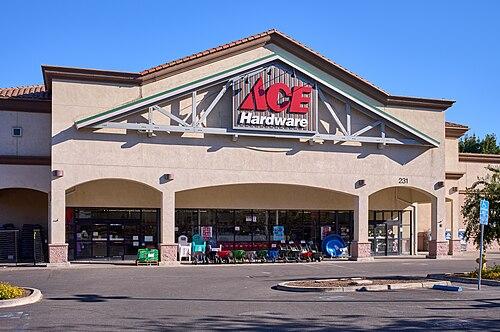
The idea found its roots back in 1924 when a small group of Chicago hardware store owners started buying merchandise in bulk together to get the lowest possible price. That group became Ace Hardware, now the world’s largest retailer-owned hardware cooperative.
If you run an online store, a rep has probably pitched you about joining one. We work with some leading buying groups in the USA, including ProSource and HTSA, as their warranty partner, so we’ve seen what members actually use and what they leave on the table. In this guide, we’ve put together how these groups work, what they cost, and how to tell whether you’d be a perfect fit.
How are buying groups different from other groups?
A buying group sits somewhere between going solo and handing your store over to a franchisor. You stay the owner and run your own business, and the group negotiates with suppliers on behalf of all its members. Most of the savings come back to you later as rebates, which are refunds based on how much you bought, rather than as a lower price on each invoice.
In essence, buying groups help you improve your margins while reducing the headache of supplier negotiations.
Over time many groups have also grown well beyond buying. For instance, HTSA, an international trade consortium, offers its members training, marketing and financing programs along with better prices.
The confusion usually starts with organizations similar to the buying group- the co-op, and the franchise. A co-op is a buying group owned by its members. At Do it Best, for example, independent hardware stores became members of the cooperative and are its sole shareholders. A franchise is entirely a different thing. Franchisees pay to use another company's brand, business model, and operating systems, and must follow its rules. They're essentially running a business under someone else's playbook, rather than joining forces with other independent retailers to negotiate better deals.
Here's a table to help you differentiate better - buying group vs cooperative vs franchise

Author
Khizar Mohd
M Khizar is a writer enjoys making complicated things feel simple. He writes about warranties, ecommerce, and the small details people usually overlook, until they matter. His work focuses on clarity and helping readers make smarter decisions without overthinking it. Outside of work, he enjoys reading, writing personal blogs, and binge eating with friends.